
20 Best Phytoestrogens for Hormone Imbalances
Estrogens are hormones that play a crucial role in women’s health.
They affect virtually all functions and processes in the female body, like the development of feminine body traits, fertility support, skin health, and even physical performance.
Estrogen levels in women can potentially drop below the normal range due to quite a few reasons including:
- Approaching the age of perimenopause and menopause (47-52 years)*
- Early menopause (around the age of 40)*
- Stress, especially chronic or intense*
- Ovarian failure*
- Anorexia and other eating disorders*
- Chronic kidney disease*
Besides fixing the root cause of the problem, a good idea can be to give the body an external source of estrogens to support its functions.
The two ways of doing this are either through conventional hormone replacement therapy (HRT) or natural estrogen-like substances, such as phytoestrogens in natural foods.
Of course, the latter is often a better option!
Ready to give phytoestrogens a try? Here are your best natural sources, as suggested by research studies!
Why Consume Natural Estrogens?
Why Take Natural Estrogens?
Phytoestrogens are plant-derived substances that mimic the action of estrogens in the body. As a result, they can be used as a natural HRT alternative whenever a woman’s estrogen levels approach or drop below the normal range.
Here are a few fabulous reasons to consume phytoestrogens regularly in your diet:
- Improved skin hydration and elasticity*
- Anti-aging effect on the skin*
- Natural soft tissues lift and enlargement*
- Enhanced recovery from exercise*
- Helps prevent muscle loss due to low estrogen levels*
The potential health benefits of healthy estrogen levels for women are absolutely obvious. But, why consume phytoestrogens instead of the conventional HRT approach?
- HRT is prescription-only. Phytoestrogens are present in everyday foods and natural over-the-counter supplements*
- HRT has to be monitored by a professional. You can consume phytoestrogens in your diet without constant monitoring*
- HRT comes with side effect like increase in breast cancer risk. Phytoestrogens are milder and safer, with little to no side effects when used as intended*
- HRT is expensive, costing up to $300 per month for the medications plus regular visits to a therapist for monitoring. You can get plenty of phytoestrogens from common foods or natural supplements for a fraction of the price*
Ready to give phytoestrogens a try?
Here are your best natural sources, as suggested by research studies!
1. Soy

Soy is probably the most well-known source of phytoestrogens, most of which come from the isoflavone group.
Studies have reported that soy isoflavones can potentially reduce menopause symptoms by up to 19.55% in women approaching menopause and by 12.62% in postmenopausal women*. Several other soy phytoestrogens (daidzein, glycitein, and genistein) are absolutely fabulous for the skin, as they can enhance skin elasticity and may reduce fine wrinkles.
2. Flaxseed

Great not only as a healthy topping for yogurts and smoothies, flaxseed is also a terrific source of lignans. About 95% of them are secoisolariciresinol diglucoside (SDG), which is converted in the human body to enterolactone and enterodiol. Both are very similar to estrogen in terms of structure and function*.
The primary benefits of flaxseed phytoestrogens is that they have been suggested in research studies to benefit breast cancer risk and calm down menopause symptoms including osteoporosis (bone weakness)*.
3. Raisins
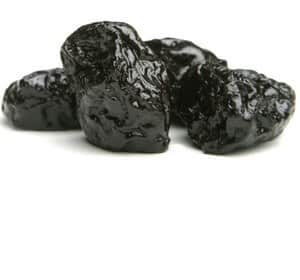
One of the best healthy snacks out there, raisins are an amazing source of the phytoestrogens daidzein and genistein. Keeping an eye on your weight and worrying that raisins might not be right for you? It’s actually the other way around!
Studies have reported that people who eat raisins may actually be less likely to have excess weight—even though raisins are quite high in calories (300 kcal per 100 g).
Genistein and daidzein are believed to potentially reduce the risk of many chronic conditions including osteoporosis and ovarian cancer*.
4. Sesame Seeds

Sesame seeds contain a phytoestrogen called sesamin, which is converted in the guts to enterolactone—just like the SDG in flaxseed.
Besides having the same benefits as flaxseed, sesame seeds have also been confirmed to have antioxidative and possible cholesterol-lowering properties*.
5. Garlic

The phytoestrogens in garlic, mainly different lignans, may help prevent bone density loss due to low estrogen levels*. Garlic is also often used to soothe menopause symptoms*.
6. Red Berries

Strawberries, cranberries, raspberries, cherries—all of them are jam-packed with lignans, catechins, and isoflavones. Besides their estrogenic properties, these phytoestrogens are fabulous antioxidants that can benefit your health on many different levels*.
7. Red Grapes

The health benefits or red grapes are just impossible to overestimate! Thanks to their wide range of phytochemicals, grapes are amazing antioxidative foods. Some of the active compounds in red grapes have been suggested to have anti-diabetic properties*, while phytochemicals like resveratrol are belived to fight off aging on a cellular level*.
The best part? All of these bioactive compounds are phytoestrogens as well!
8. Red Wine

Since it’s made from red grapes, red wine packs quite a few of the fruit’s health benefits. Just like red grapes, red wine is rich in resveratrol, anthocyanins, catechins, proanthocyanidins, and a whole range of other phytochemicals.
Resveratrol is a phytoestrogen that may improve bone density and menopause symptoms*, has anti-aging potential*, and may even lower the risk of developing metabolic syndrome*—a stepping stone on the path to diabetes!
9. Parsley
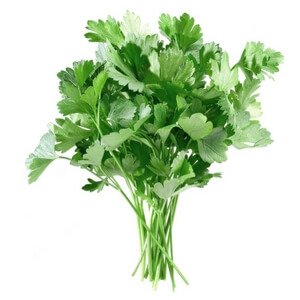
Parsley is one of the best culinary herbs in terms of phytoestrogenic action. Thi