
Posted on

Face Serum for Oily Skin: What Exactly Works Best (and Why)

Herbs to Increase Breast Size:
How to Enlarge Your Breasts Naturally Using Botanicals

With the abundance of products touted as the best, it’s funny how hard it is to find a face serum for oily skin that really works. And no, you can’t just continue trying offerings from various brands until you find the right one.

Facial skin is quite delicate. Compared to the skin covering your body, the skin on your face has smaller cells, is much thinner, and has more hair follicles as well as oil glands.

So with that in mind, the ideal serum shouldn’t be harsh and mustn’t clog pores. On the other hand, it should support hydration up to the point where the skin won’t have to produce as much oil (or to be more specific, sebum).

Remember that using the wrong skincare solution is enough to make things worse. Your face could end up getting oilier, which in turn might make you more prone to acne and blemishes.

But how can you know if a certain serum is right for you? It’s quite simple actually—go through our list of what works best, understand what each does, and see whether the serum you’re checking out has what you need.

If you’re more concerned about giving your face a healthy glow, you’ll be glad to know that this vitamin B3 derivative also fights oxidative stress. This means pollution won’t be able to do as much damage.

Having oily skin means your pores are more likely to get clogged. And so, it only makes sense to use something that can dissolve oils and other skin debris. That’s what salicylic acid does.

As an added bonus, this active ingredient works great as an exfoliant. This makes it easier to minimize blemishes, especially if you’ve already been having problems with acne.

Unfortunately, salicylic acid’s effectiveness in that regard is a double-edged sword. Any potent exfoliant can damage facial skin if used above the acceptable concentration or when applied far too often.

Most daily-use serums have this active ingredient set at only two percent. And despite that, some still experience irritation as well as excessive dryness.
2. Lactic Acid

If your skin’s too sensitive for salicylic acid, then lactic acid might be a smarter choice. With bigger molecules, it won’t penetrate too deeply into the skin and will mostly do its job on the surface.

But what exactly does it do though? Aside from providing exfoliation and keeping acne in check, it helps improve the skin’s capacity to hold moisture.

This is due to the fact that newer, younger cells, which emerge after exfoliation, are able to better retain moisture. And if your skin’s properly hydrated, it shouldn’t produce as much sebum.

Lactic acid also minimizes the appearance of wrinkles, such as around the eye. But to be clear, improvements aren’t always the same in both the left and right eye areas.

Just a reminder before moving on to the next item on our list, this particular acid can still cause irritation if used excessively—and that’s despite it being among the milder ones.

3. Niacinamide

Also called nicotinamide, this form of vitamin B3 is a lot safer than any exfoliating acid. In fact, you’ll only have problems with it if you have existing allergies (even then, doing a patch test is easy enough).

Although it won’t get rid of dead skin cells, it’s known to reduce casual sebum levels—a measurement used to describe the amount of oil per square centimeter of the skin’s surface.

It may also lower the rate at which the skin produces sebum, though this effect has only been observed so far among Japanese individuals. A more general perk is its anti-inflammatory effect.

This is beneficial if you’ve been noticing blotchiness or redness on your face, like in the case of acne breakouts. It’s for this reason that niacinamide is commonly part of acne treatment regimens.

If you’re more concerned about giving your face a healthy glow, you’ll be glad to know that this vitamin B3 derivative also fights oxidative stress. This means pollution won’t be able to do as much damage.

4. Retinol

Derived from vitamin A, retinol is something typically found in popular face creams and serums. It supposedly excels in keeping away fine lines and wrinkles, as well as other blemishes.

And considering that it’s a potent antioxidant, it should be able to do just that—shielding the face’s skin from the sun’s ultraviolet radiation and from the more tangible sources of free radicals.

What makes retinol a lot more impressive though, is its positive effect on collagen production. Having more of the structural protein translates to better skin elasticity and hydration.

Retinol isn’t perfect; however, as it takes a long time before producing results. Promises of noticeably glowing skin within six weeks are impossible, with six months being a more realistic timeframe.
5. Phytoestrogens

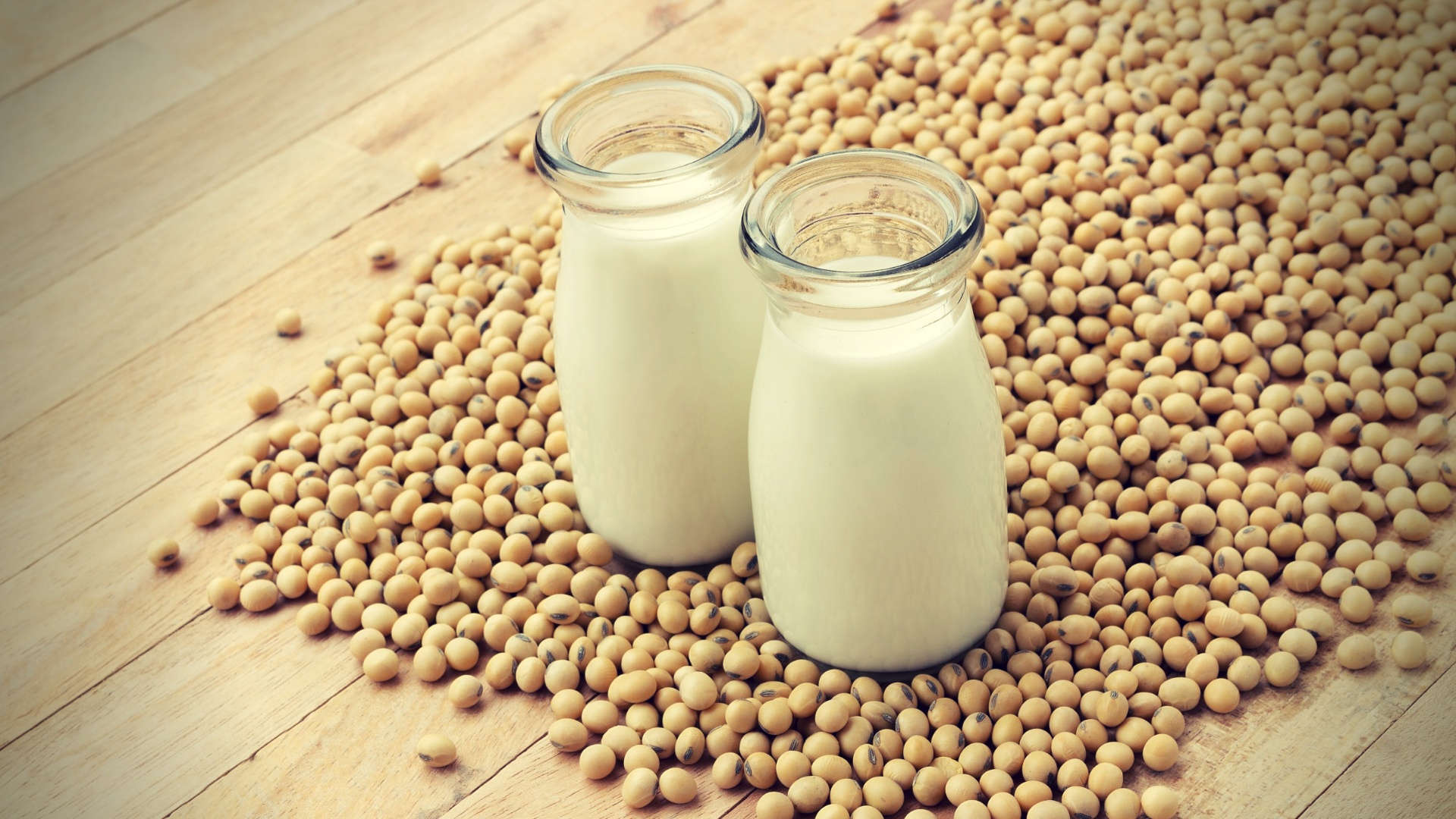
Now here’s what we consider the best active ingredient that you can find in facial serums. Phytoestrogens are plant-derived compounds that mimic the main female hormone.

You’re probably confused as to why this matters in keeping oil, and in turn acne, under control. Well as it turns out, hormones have an effect on the functions of facial skin.

For example, when there’s an abundance of androgens (male sex hormones like testosterone), sebum production rises. Other problems may also occur whenever estrogen declines, such as during menopause or in the first few days of menstruation.

With the help of phytoestrogens, there’s a chance for androgens to be lowered to a more acceptable level. And of course, these mimics make estrogen decline more manageable too.

Collagen synthesis, for example, often drops as the female hormone begins to dwindle. With phytoestrogens, collagen gets produced more, leading to improvements in skin hydration and elasticity.

Again, whenever there’s enough moisture in the face’s skin, sebum secretion is kept to a minimum since there’s no need to protect against dryness.

And with greater elasticity, fine lines and wrinkles are less likely to form. In case you’re wondering, phytoestrogens have antioxidative properties too, making them comparable to the likes of retinol.

With Pueraria-derived phytoestrogens that boost hydration and control sebum, it could very well be the face serum for oily skin you’ve been searching for all this time.

The Very Best Pick

As you can see, some active ingredients aren’t just hype. They provide a number of benefits and are backed by actual scientific inquiry—but still among them, phytoestrogens are probably the top choice.

Offering perks that are essentially a collection of those of the other compounds we’ve listed, these estrogen mimics are an excellent addition to any face serum designed for oily skin or for skin health in general.

Want to give them a try? It isn’t hard to find serums that contain these plant-derived compounds, though only a few really shine in terms of purity, quality, and potency.

That’s why we created our own line of premium-grade serums. With Pueraria-derived phytoestrogens that boost hydration and control sebum, it could very well be the face serum for oily skin you’ve been searching for all this time.

Posted on

Estrogen Skin Cream: Actions, Benefits and Options

The skin is the largest organ of the human body and it’s responsible for protecting us from our immediate environment. However, aging can subject the skin to a harsh beating, which can fortunately be alleviated by products like estrogen skin cream.

Skin thickness and texture is largely affected by a person’s hormone levels. This is true for both men and women whose skin eventually thins and sags as they age.

Since estrogen creams are directly absorbed by the skin, they’re generally safer compared to oral estrogen. This is especially helpful for women who are dealing with cholesterol and liver issues.

Estrogen is widely known as the hormone responsible for the development of female secondary sex characteristics. However, its importance for a woman’s health goes well beyond that.

In fact, estrogen has important functions in all of the body’s systems, such as reproduction, bone strength, heart health, and skin quality. As this article focuses on the skin, here are some of the most important related estrogen functions:

  • Keeps the skin moisturized
  • Boosts collagen production, which in turn supports the skin’s thickness
  • Minimizes wrinkles and age spots
  • Encourages wound healing

Aging naturally causes a steep decline in a woman’s hormonal levels. This is especially evident during the menopausal stage, when estrogen takes a huge dip.

But hormonal imbalances can occur at any age. When such thing happens, the most obvious changes can be seen on your skin.

This is why estrogen-infused skin products are often seen as a viable way to partially reduce the visible signs of aging. The human body produces 3 main types of estrogen, namely estradiol, estriol, and estrone. You may find some of them in estrogen skin creams.

What Do Estrogen Creams Do?

Among the 3 estrogens, estradiol is the most dominant compound. It’s the type that’s commonly produced by a woman during her reproductive years.

Estriol, meanwhile, is produced in huge numbers in the placenta during pregnancy. Compared to estradiol, estriol is weaker.

Estrone is one of the main estrogens in women after they go through menopause.

Out of all these compounds, estriol is the safest estrogen ingredient in cosmetic products. It usually stimulates the circulation of oxygen and nutrients in the skin, thereby increasing skin moisture and reducing wrinkles.

Of course, there are also estradiol topicals in the market. They’re usually sold as gels, emulsions, or sprays that are applied to the skin at least once a day.

As a strong form of estrogen, it’s typically used to treat menopausal symptoms such as hot flashes and night sweats. It’s also used to alleviate sexual discomfort caused by vaginal dryness and itching.

Indeed, estrogen topicals have proven themselves effective for solving hormone-related skin issues. You simply have to follow the usage instructions to the dot as it may expose you to some health risks when applied in excess.

Estrogen Cream Benefits

Estrogen creams allow its substances to be absorbed by the skin directly. Application instructions vary; some are applied on a single arm, going from the shoulder to the wrist, while others are applied on the legs.

Since estrogen creams are directly absorbed by the skin, they’re generally safer compared to oral estrogen. This is especially helpful for women who are dealing with cholesterol and liver issues.

The problem is, not much research has been done on the long-terms effects of topicals. Also, you must be careful about using it when other people are around, as you don’t want these substances to be absorbed by people who aren’t supposed to get it.

Safety Precautions and Health Risks

Topical estrogens, especially those infused with estradiol, shouldn’t be used if you’re dealing with any of the following issues:

  • Undiagnosed vaginal bleeding
  • High blood calcium levels
  • Pregnancy
  • Upcoming major surgery
  • History of liver disease, kidney disease, gallbladder disease, seizures, lupus, asthma, endometriosis, bleeding disorders, or thyroid disorders
  • History of heart attack, stroke, blood clot, or any female-specific reproductive cancer (cervix, uterus, vagina, breast)

Keep the product far away from children, as it may cause unwanted side effects in them if they ever get into contact with it.

Possible Side Effects

Call your doctor immediately if you notice any of the following symptoms:

  • Allergic reactions like breathing difficulties, hives, or swelling of lips, tongue, throat, or face
  • Memory problems, trouble thinking, and other atypical behavior
  • Abdominal tenderness or swelling
  • Breast lumps
  • Jaundice, or yellowing of the eyes or skin
  • Heart attack symptoms such as nausea, sweating, or chest pains and pressure
  • Stroke symptoms such as weakness or numbness in one side of your body, vision and balance problems, sudden sharp headache, or slurred speech
  • High calcium symptoms such as vomiting, constipation, increased urination or thirst, lethargy, bone pain, and muscle weakness

To maintain your health and safety as you use estrogen products, always make sure that you talk to your doctor about its contraindications.

Estrogen topicals may have adverse reactions to your other meds. Thus, it’s best to disclose other health issues to guarantee that this is the most appropriate solution for you.

Natural Alternatives to Estrogen Creams

Estrogen-infused products are mainly synthetic, with a lot of risks and side effects. Fortunately, if you want to achieve the same effects that estrogen can do, you can try out phytoestrogens as a natural alternative.

Phytoestrogens are compounds that come from plants. They behave a lot like the body’s own estrogens when consumed, hence the name “phytoestrogens”.

They can be found in soy beverages, soy beans, tofu, tempeh, flax seeds, sesame seeds, oats, wheat, carrots, and apples, just to name a few. It’s also found in great abundance in botanicals like Pueraria mirifica.

As Pueraria mirifica is a very potent phytoestrogen source, it’s typically used in its native Thailand and Myanmar as a means to relieve menopausal symptoms. It can even be a substitute for estrogen topicals for vaginal health.

Overall, it helps in the management of notable health issues like high cholesterol levels, low libido, hot flashes, osteoporosis, and even mood swings. If you’re looking for a potent product that allows your body to absorb more phytoestrogens, consider choosing serums over creams.

Overall, Pueraria Mirifica helps in the management of notable health issues like high cholesterol levels, low libido, hot flashes, osteoporosis, and even mood swings. If you’re looking for a potent product that allows your body to absorb more phytoestrogens, consider choosing serums over creams.

Choose Topicals with Phytoestrogens for Your Safety

Hormonal imbalances can happen at any age, but they’re especially common right before, during, and after menopause. While an estrogen skin cream can usually provide relief, natural products like Pueraria mirifica serums may be much safer and cost-effective.

Posted on

Restore Skin Elasticity Naturally With These 6 Proven Strategies

The skin can lose its elasticity due to a wide range of reasons. The good news is that these changes are reversible! There are whole lots of strategies to restore skin elasticity without having to go through expensive and painful procedures.

Many people, especially women, turn to phytoestrogen-infused products to manage symptoms related to estrogen deficiency. This includes any skin issues that they’re currently dealing with.

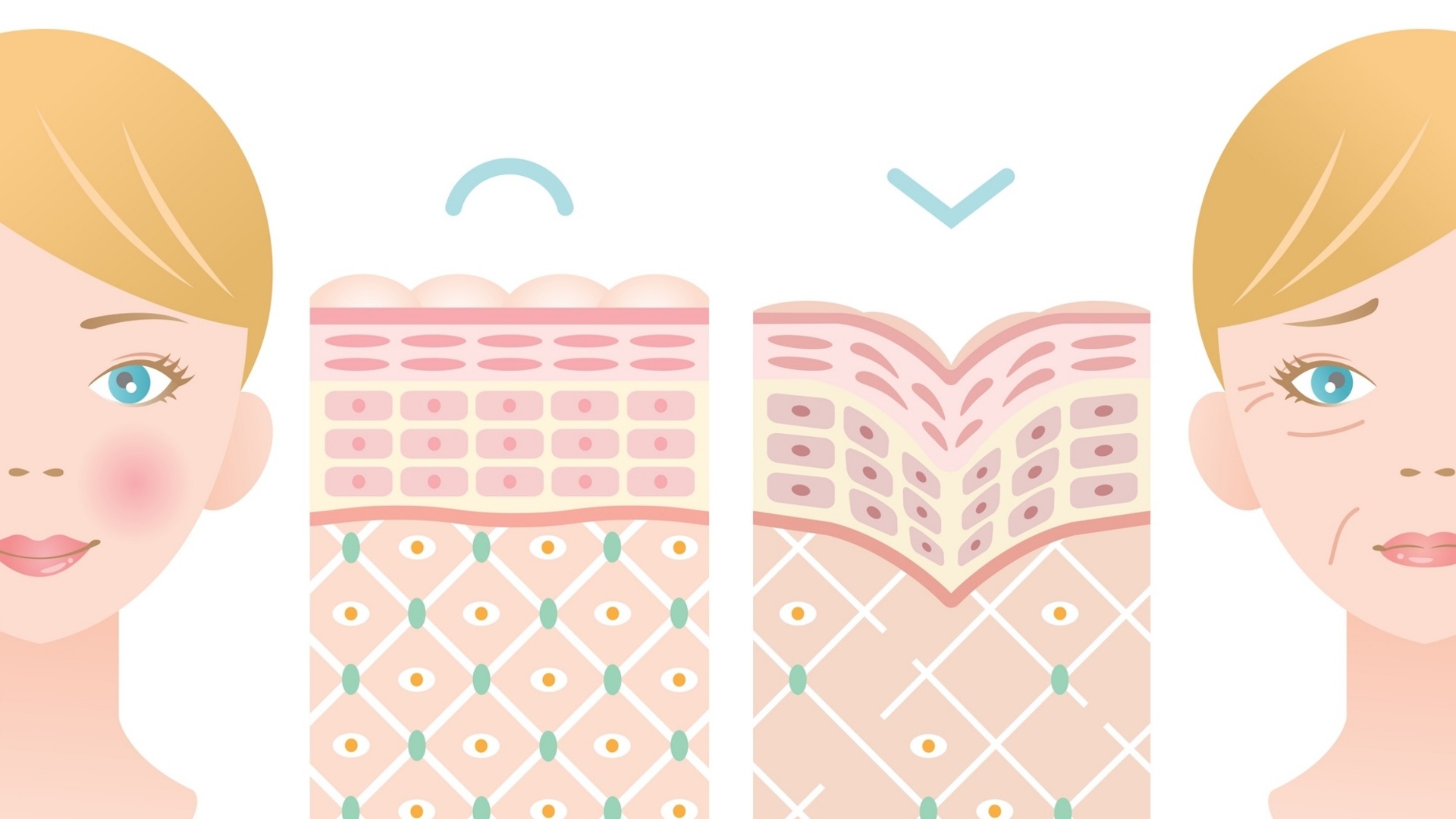
Skin elasticity is exactly what it sounds like. It refers to your skin’s ability to stretch and then return to its original state.

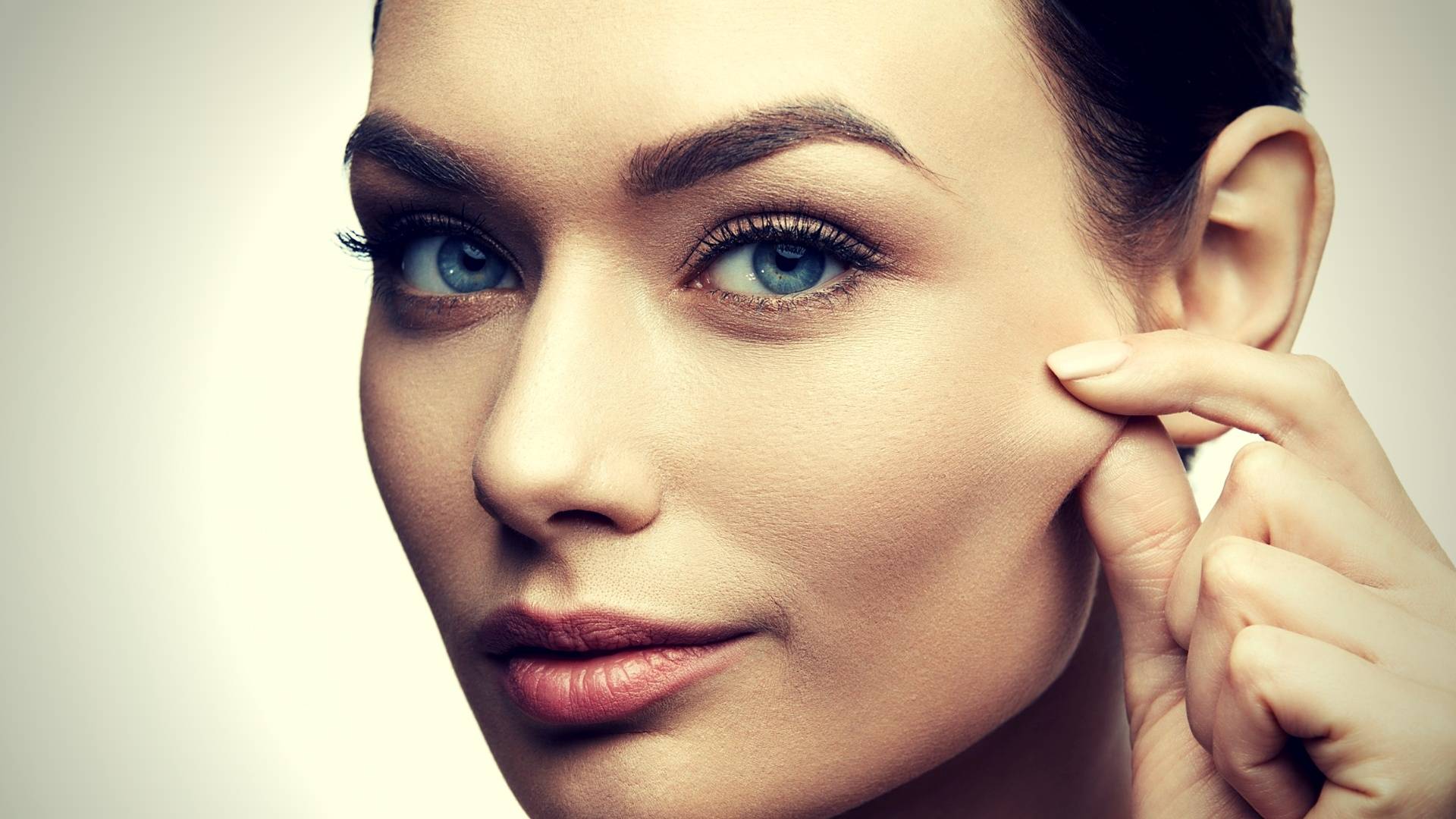
To test your skin’s elasticity, you can try pinching your cheek and pulling it moderately. Then, let go and take note of how fast it returns to normal.

Typically, younger people have a more elastic skin because they have a thicker dermis. The dermis is the skin layer that contains capillaries, nerve endings, sweat and sebaceous glands, and hair follicles.

As the thickest skin layer, the dermis contains a lot of elastic fibers that make the skin flexible. It also houses collagen fibers that keep the skin firm and strong.

Due to chronological aging (the scientific name for”aging with time”), the dermis eventually becomes thinner in older adults. This results in skin changes that are usually associated with aging, such as wrinkles, fine lines, age spots, and sagging.

What Makes the Skin Less Elastic?

In many cases, loss of skin elasticity is just a natural byproduct of aging, but it can also happen in younger people who aren’t exactly living a healthy lifestyle.

Here are some notable factors that contribute to loss of skin elasticity:

1. Skin Dehydration

One of the leading causes of loss of skin elasticity is dehydration. This is caused by both internal and external dehydration.

Without adequate hydration, your skin is bound to become loose, wrinkled, and even flaky. It will also feel rough when you touch it.

2. Hormonal Fluctuations

Estrogen may be mainly known for its reproductive functions in women, but it also plays a huge role in skin health. That’s because it increases the production of glycosaminoglycans (GaGs) which support hydration and work along with collagen and elastin to keep the skin healthy.

Estrogen levels drop dramatically in menopausal a woman, that’s why their skin tends to age faster when they reach that point. Sometimes, menopausal symptoms are dealt with using estrogen therapy.

3. Unprotected Sun Exposure

Your summer trips to the beach may not do lasting damage to affect your skin over the long term. However, if you’re usually under the sun without applying any sunscreen, it can damage your skin and trigger premature skin aging.

4. Cigarette Smoking

Studies show that smoking leads to premature skin aging. If you compare smokers and non-smokers, you’ll notice that the smokers will always look older than their non-smoking counterparts.

6 Tips to Restore Your Skin’s Elasticity

Loss of skin elasticity is a part of life that people simply can’t run away from. However, it doesn’t mean that we’re completely helpless against it.

Listed below are 6 strategies that can help improve your skin’s health for good:

1. Choose Healthy Food Items

Modern humans are exposed to a lot of processed and high-sugar food items. It’s no surprise why we’re now dealing with health problems that probably didn’t affect our ancestors.

See, once you consume these foods, they create molecules in your body that break down collagen and elastin. Thus, it’s recommended to replace them with a diet that’s rich in vitamins A, B, C, and E as well as omega-3 fatty acids.

Not only do these food items protect your cells from getting damaged by free radicals, but they also encourage collagen and elastin production. If you want to improve your skin, you should start by prioritizing your nutritional needs.

2. Use Skincare Products with Phytoestrogens

Sometimes, hormones are the culprit behind impaired skin elasticity — something that is especially true for menopausal women. In some cases, topical estrogen therapy is enough to provide that much-needed relief from their symptoms.

If you’re sure that your skin condition is primarily driven by hormonal imbalances, you can also turn to phytoestrogens. As the name implies, phytoestrogens are plant-derived compounds that work in the same way as estrogen.

That said, many people, especially women, turn to phytoestrogen-infused products to manage symptoms related to estrogen deficiency. This includes any skin issues that they’re currently dealing with.

Pueraria mirifica is one of the most potent sources of phytoestrogen. If you’re looking for a product to try out, consider our premium-grade Pueraria Mirifica serums!

3. Find the Time to Exercise

Exercise isn’t only great for the heart, but it’s also good for the skin. That’s because regular exercise significantly improves your blood circulation, and as a result, your skin gets more nutrients from it.

Additionally, regular exercise can also increase collagen production. And, when you engage in strength training, you’re going to build muscles that will make your skin tighter.

4. Get Some Beauty Sleep

Many restorative processes occur when you hit the sack. This is when your body heals itself from the day’s damages and fights free radicals that are trying to damage your systems.

Having enough sleep every night ensures that your skin remains strong and healthy-looking. And because sleep also encourages collagen production, it also ensures that your skincare products work more effectively.

5. Take Vitamins and Supplements

Vitamins C and E may help in the body’s collagen and cartilage formation. Even if you’re already following a healthy diet, taking supplements can speed up your skin’s improvement.

6. Quit Smoking

As mentioned in the previous section, smoking is one of the main reasons why collagen and elastin break down earlier than they’re supposed to. The longer you keep on smoking, the more your skin will sag and wrinkle in the long term.

As our tips suggest, in many cases we simply have to switch to a healthier lifestyle to reflect the state of our internal health onto our skin.

Bring Back the Spring in Your Skin with These Tips!

Our skin condition is the most obvious evidence that aging is unavoidable no matter what we do. While it may be impossible to turn back the clock, fortunately, it’s possible to slow down the skin aging process.

As our tips suggest, in many cases we simply have to switch to a healthier lifestyle to reflect the state of our internal health onto our skin. Depending on your starting point, the transition may not exactly be easy, but you can always take things one step at a time to properly restore skin elasticity.

Posted on

Menopause and Skin Health: What to Expect and How to React

Understanding menopause and skin is essential if women are to provide optimum care for the biggest organ in their body. Menopause is an experience that all women will have to face.

It starts a year after a woman’s last period and it brings with it some very telling symptoms. Such symptoms include weight gain, slowed metabolism, sleep problems, chills, night sweats, hot flashes, vaginal dryness, and skin problems.

This guide focuses on menopause and skin.

With the right amount of care, the changes to a woman’s skin during menopause can be reduced if not completely avoided.

Menopause usually begins for women anywhere from age 40 to 58. This is around this time when estrogen production declines, women stop having their monthly periods, and her ovaries stop producing eggs.

The key here for a woman is the reduced production of the female hormone estrogen. This hormone keeps her bones strong, is responsible for all the changes during puberty, and triggers the production of oils and collagen in the skin.

Apart from that, because of these changes the skin also begins to lose its ability to retain moisture. When estrogen production goes down skin begins to age rapidly and a host of issues occur in menopausal women.

How Menopause Affects a Woman’s Skin

The onset of menopause and skin symptoms that come with it should be handled carefully. This is because your skin is not the same as it was when you were younger.

The following are some of the effects on the skin when women enter menopause and have reduced estrogen levels.

  • Collagen loss
  • Loosening and wrinkling of the skin
  • The skin begins to get thin
  • Dryness on the skin
  • Delayed healing of wounds
  • Itching
  • Acne
  • Increased facial and body hair

We will go over the different applicable treatment options for each of these symptoms in the next section.

Skin Treatment Options

When you turn 40, it will be a good idea to get dermatological treatments on a regular basis. Doing so will help to manage the sagging, loss of firmness, and other conditions that you will start to notice on your skin.

Early intervention will be very helpful especially when your skin is still quite receptive to treatments. The following are some of the treatments that you can discuss with your dermatologist.

  • Sunscreen

This is probably the most basic treatment that you can get. It’s your next best option if there is no way for you to avoid getting sun exposure.

  • Hyaluronic Acid

Hyaluronic acid has moisture retaining properties which can help reduce the appearance of wrinkles. It can also help restore and retain the skin’s natural plumpness.

  • Alpha hydroxy acids (AHAs)

Studies suggest that AHA can improve wrinkles and fine lines. It can also help with uneven skin texture and skin tone.

  • Vitamin C and Vitamin E

Studies suggest that these vitamins can help restore the glow in skin. You can use skin solutions that contain these vitamins to add youthful looks and still remain gentle to sensitive skin.

  • Retinoids

Note that retinoid gels and creams are only available with a prescription. They stimulate the production of collagen in the skin. It improves the skin’s thickness thus reducing wrinkles.

You might want to talk to your doctor about the treatments mentioned above. Find out which one is appropriate for your skin condition.

Taking Care of Your Skin during Menopause

Now that we know what treatments are available, the next question is which treatment you should use for each skin condition.With the right amount of care, the changes to a woman’s skin during menopause can be reduced if not completely avoided.

The tips and information below might be helpful to you. We will describe each skin problem and suggest possible solutions that might help.

1. Sun Damage/Age Spots

Age spots and sun damage are two of the most common skin problems that post-menopausal women experience. They will appear as dark areas of the skin and other age marks on the chest, arms, neck, hands, and the face.

In more severe cases, pre-cancerous skin growths may also appear on the skin.

Treatment for Sun Damage/Age Spots

There are several treatment options available to post-menopausal women who experience age spots and sun damage. They include the following:

  • Use Sunscreen

Remember to apply sunscreen on your skin before you go out under the sun. Experts suggest that everyone should use a broad spectrum sunscreen. Make sure to get one that has at least SPF30.

Note that sunscreen can help reduce age spots and prevent new ones from appearing.

  • Get Screening for Skin Cancer

Note that your risk for skin cancer increases as you age, which is why getting screened is important for menopausal women. The earlier you can detect precancerous growths the better they can be treated.

2. Adult Acne

Estrogen is responsible for stimulating the skin’s sebaceous glands to produce more secretions, which protects the skin from acne. With the reduced estrogen levels, menopausal women experience acne.

Treatment for Adult Acne

Note that adult women who re-experience acne symptoms have thinner and more sensitive skin compared to adolescents. This is why they need better skin treatment when they have acne.

Harsher treatments that worked for teenagers will not be suitable for older and more mature women.

Here are a few treatment options that your doctor may recommend:

  • Depending on the severity of your acne, your doctor may recommend hormone replacement therapy—such as using Pueraria Mirifica serum or some other product.
  • Another treatment option is retinoid. Retinoid has been found to be potent for certain moderate and severe cases of acne. It may stop the oil production, inflammation, and bacterial growth. It also helps to unclog pores that will allow other cream and gel treatments to work. You can apply a small pea sized amount of retinoid cream on your neck and face 20 to 30 minutes after you wash your face.
  • Your doctor will also recommend that you avoid using acne solutions that will dry your skin.
  • Another treatment option your doctor may recommend using skin cleaners that contain salicylic acid.

3. Bruising

When the skin gets thinner it is more prone to bruising. Here are some solutions that may help with this skin condition.

  • Phytoestrogen Creams/Serums

Pueraria mirifica serums and creams can supplement the skin with phytoestrogen, which can help reduce these symptoms and increase skin thickness, reduce wrinkle depth, and reduce pore size.

  • Retinol with Vitamin K

Studies suggest that using retinol with vitamin K can help reduce bruising on the skin.

  • Broad Spectrum Sunscreen

Note that sunscreen can’t thicken the skin nor heal the bruising. Using broad spectrum sunscreen is more of a preventive measure since it may stop the skin from thinning even further.

  • Laser Treatment

Your doctor may recommend laser treatment for more severe bruising. Studies suggest that laser treatment can help reduce bruising on thinner skin.

4. Wrinkles

Another issue about menopause and skin is the wrinkling of the skin. This is due to the fact that the skin is thinner, loses moisture, and is no longer plump and as elastic as it used to be.

A particular type of wrinkling in the face is called elastosis. This is a condition that is marked by the loss of elastic fibers in the skin and thickening and wrinkling of the dermis.

Note that elastin and collagen synthesis is controlled in part by the female hormone estrogen. When estrogen production goes down, the repair mechanism of the skin is gone and it causes wrinkles and elastosis.

The usual repairs that are performed naturally on the skin are reduced when this happens. That is why when the skin is exposed to the sun’s UV rays, the damage (i.e. wrinkling effect) is left unrepaired (i.e. solar elastosis).

Treatment for Wrinkles

  • Pueraria Mirifica Serums/Creams

5. Dryness on the Skin

Dry skin is a very common complaint of menopausal women. It affects around 36% of women above the age of 40.

This drying of the skin is again due to the reduced production of estrogen. This hormone is regulates the production of glycosaminoglycans (GAGs) and skin oil, which are responsible for keeping the skin plump.

Treatments for Dry Skin

  • Phytoestrogens

One of the best natural sources of phytoestrogens is pueraria mirifica extract, which is packaged inserum and cream forms. Clinical studies suggest that it has a hydrating effect on the skin.

  • Moisturizer

Your doctor can also recommend using moisturizers, which will definitely help. Note that you may have to apply liberal amounts of moisturizers but you will have to combine it with a mild skin cleanser.

6. Delayed Healing of Wounds

As the skin ages, its ability to heal quickly is reduced. Estrogen deficiency also contributes to this skin condition.

Treatments for Wound Healing

  • Phytoestrogen Supplements

Supplementing with phytoestrogens or applying phytoestrogen creams can help restore hormonal balance in the skin. You should talk to your doctor about using phytoestrogen as a potential solution.

7. Itching

Skin itching in menopausal women (a condition known as pruritus), is due to the drying up of the skin. The possible skin treatment for pruritus is the same for skin drying.

One option is to use phytoestrogen creams, gels, or serums. You should also make sure to use moisturizers.

8. Increased Facial and Body Hair

Facial hair increases in menopausal women due to the reduced production of estrogen. Note that when this happens, the androgen that also naturally occurs in the body becomes more pronounced.

This imbalance in the hormones allows the androgen to produce more hair since there is no longer enough estrogen to keep its effects in check.

Possible Treatments for Increased Feminine Facial Hair

  • Waxing

Waxing those hairs away is a viable option, though it is not the most pleasant solution.

  • Laser Hair Removal

Some menopausal women’s facial skin may already be too thin for waxing. It may result in tears and bruising.

This is why dermatologists may also recommend laser hair removal. Note however that this is a bit of a pricey treatment option.

  • Hair Reduction Creams

A more affordable solution is hair reduction creams. Ask your doctor about creams and solutions that you can use.

  • Phytoestrogen Serums

Using phytoestrogen serums is a long-term solution. It may not be able to remove the hairs that are currently growing but it may prevent more hair from growing.

Menopause and skin health is manageable. The treatment options mentioned here are merely suggestions and you should check with your doctor to know which one is best suited for you.

Conclusion

The long-term approach to these skin problems is providing a rebalance of hormones in the skin. Phytoestrogen serums (e.g. pueraria mirifica based serums from Mirifica Science) may be helpful to you.

Menopause and skin health is manageable. The treatment options mentioned here are merely suggestions and you should check with your doctor to know which one is best suited for you.

Posted on

What Helps Skin Elasticity Stay In Top Shape: 20 Habits and Tips

What helps skin elasticity? There are actually a number of options that you can try. But before you try any fancy skin treatment, you should remember that the loss of skin elasticity or elastosis is part of the natural aging process.

As we get older our skin will start to look leathery, crinkled, and saggy. Apart from aging, there are other things that can cause elastosis, which include the following:

  • Smoking
  • Poor nutrition
  • Air pollution
  • And of course, sun exposure

Sometimes the easiest way to prevent or at least reduce the loss of skin elasticity is to get proper nutrition, avoid pollution, stop smoking, and stay away from the sun.

We have made a list that includes some of the best options that you can try to restore the skins natural ability to snap back and stretch to its original shape.

Note that in this guide we focus more on habits, healthy practices, and other things you can do to naturally improve skin elasticity. We have also recommended a number of treatments as well.

However, do keep in mind that the skin treatments may cost you.

The biggest organ of the body is the skin—it is also our initial line of protection from the elements, pollution, germs, and what not. Unfortunately, when we are not well hydrated, the skin’s natural plumpness and firmness diminishes.

If you’re looking to improve skin elasticity, then your first option shouldn’t be to run off to the nearest drug store or your friend who is a supplement distributor. The first place you should go to is your bedroom and making it more conducive to sleep.

Some people may argue about sleep profiles and committing less time for sleep. However, if you’re looking for skin restoration, experts suggest that people should aim for the recommended 7 to 9 hours of sleep.

It should also be scheduled before midnight. Sleeping much later than that time will trigger a chain reaction of events that can be quite catastrophic if left unchecked.

First, it interrupts the release of melatonin, then disrupts your circadian rhythm, followed by an increase your cortisol levels, increase in inflammation, and all that accelerates the breakdown of collagen and elastin—the necessary ingredients to improve skin elasticity.

2. Use Sunscreen

Sun damage is one of the biggest contributors to the loss of skin elasticity. The loss of skin elasticity due to sun exposure is also known as solar elastosis or actinic elastosis.

Some would say that prolonged exposure to the sun is the worst enemy of our skin. Long term exposure to the UV rays will degrade the skin’s elastin and it breaks down collagen.

Of course, you can’t stay inside a cave all day. You have to go to work, get a sun tan, and maybe go to the beach. So, the next best thing you can do is to put on some broad spectrum sunscreen. Choose one that has at least SPF 30 so you get the longest lasting protection available.

3. Phytoestrogen Topical Serums

Topical estrogen serums, especially those from Pueraria Mirifica (a Thai Herb), have been found to restorative. Studies have shown that Pueraria Mirifica extracts aids in skin hydration. They can also significantly reduce the depth of wrinkles on the skin and delay skin aging.

A number of clinical studies also suggest that these phytoestrogen extracts can increase skin elasticity. If you are looking for a skin treatment that is based on science, then this might be the one you should try.

4. Get Hydrated

The body is made of 60% water. Water is pretty much in every cell of your body. Staying hydrated is essential to a lot of organs in the body. Our kidneys need it so that it can continue to filter toxins from our blood.

Water is essential to our brains and spinal cord—spinal fluid protects the bones of our spinal cord and the brain literally floats in liquid.

The biggest organ of the body is the skin—it is also our initial line of protection from the elements, pollution, germs, and what not. Unfortunately, when we are not well hydrated, the skin’s natural plumpness and firmness diminishes.

That is why we should wisely choose what we drink. We should make sure that we replenish our electrolyte and mineral stores which we lose when we sweat.

5. Avoid Inflammatory Foods

Poor nutrition contributes to elastosis. Glycation is a condition where sugars aren’t properly used by the body and it triggers the decay of collagen in the skin. To avoid glycation you should steer clear of alcohol, processed foods, processed meats, fried foods, fatty meats, carbs, and sugars.

We recommend eating a skin health promoting diet which includes plenty of antioxidants. Consider going on an anti-inflammatory diet as well, which is rich in antioxidants like Vitamin B3 among others.

6. Exercise

Some people might think that exercise has no direct impact on their skin. However, exercise helps reduce inflammation, which in turn helps to keep the skin younger. Remember that is never too late to start an exercise regimen even later in our lives.

7. Stop Smoking

So you’re now exercising regularly. While you’re at it, quit smoking. Smoking reduces estrogen in the skin and elastin, which are necessary to keep the human skin firm.

8. Avoid Straining Your Neck

Since we’re on the exercise train, here’s another habit that you should stop. Notice that when you exercise you tend to strain your neck especially when lifting weights or doing something intense.

When you do that you are pulling down your facial skin, which gives it a stretch. Do this next time you’re doing a workout routine—relax your next muscles.

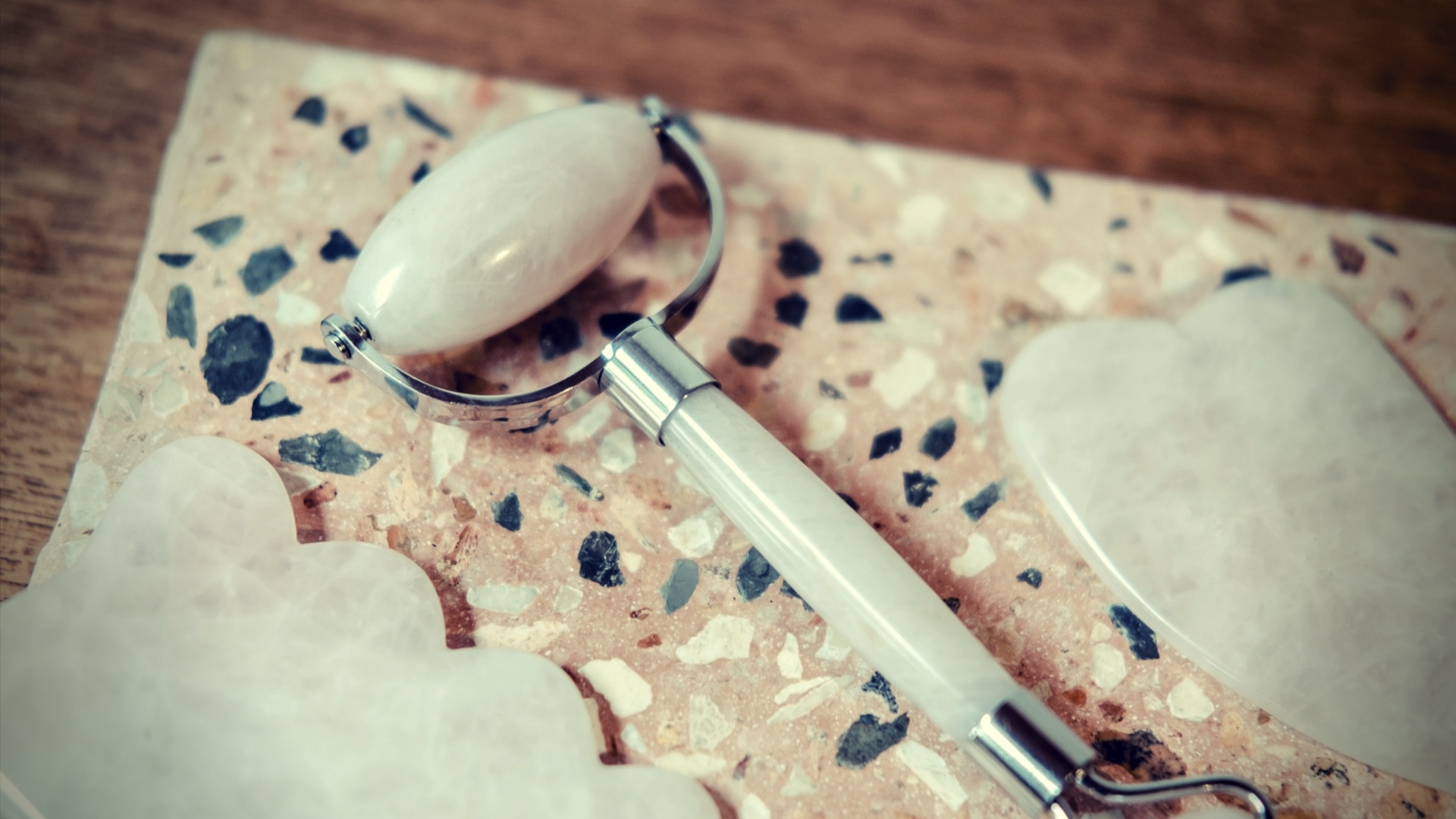
9. GuaSha Facial Massage

This is one of the most costefficient ways that you can do to regain skin elasticity. It is not as intense as a surgical operation or other fancy skin treatment, but according to Harvard researchers, it is quite an effective massage that can stimulate the muscles of the face.

Don’t let the name scare you—guasha is very easy to do and you don’t need expert hands to get the treatment. In fact, you can do it at home—i.e. a DIY facial massage. The only caveat here is that it must be done on a regular basis if you want to see noticeable results.

10. Vitamin C

Among the anti-oxidants out there, you shouldn’t skip on Vitamin C because it is the one that stimulates the synthesis of collagen. You can also use Vitamin C rich a topical cream if you like.

11. Prescription Retinoids

Studies suggest that taking prescription retinoids may reduce the effects of photo aging on the human skin. Alternatively you can use over the counter products that contain retinol such as facial creams and eye serum.

Some experts also suggest that using products retinoid serums with Vitamin C is an effective combination to improve skin elasticity.

12. Exfoliation Treatment

Exfoliation means the removal dead skin cells. This type of treatment actually doe smore than that.

Go to the nearest spa and get an exfoliation treatment. If they ask you which treatment you would like, there are several exfoliants available, then ask for one that uses glycolic acid. Clinical studies suggest that it may help to increase skin thickness by 27%.

Other options include chemical peels, dermabrasion (i.e. deep exfoliation), and laser skin treatment. Note that the fancier the skin treatment gets, the more expensive it becomes.

13. Nan0- and Micro Current Facials

13. Nano- and Micro Current Facials

If you’re asking for something fancy then this one might just be the one you’re looking for. This is actually a skin treatment that is used by some celebrities. Studies suggest that facials that run a small amount of current electricity help to stimulate facial muscles.

14. Microneedling

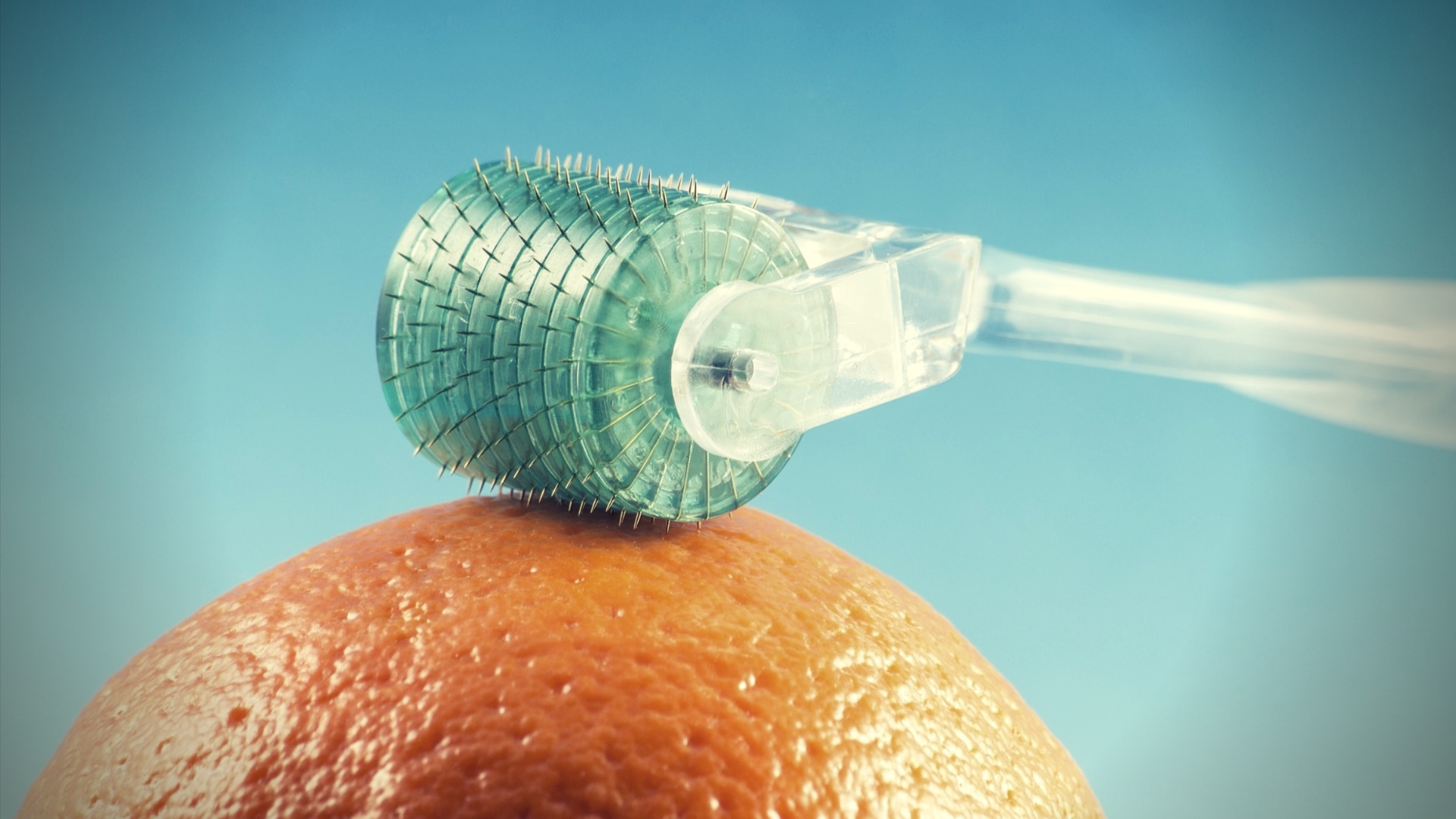
This procedure is also known as collagen induction therapy. You need to schedule an appointment for this type of therapy. This medical procedure makes use of microscopic needles that makes very small tears on the skin.

These tiny injuries signal the skin to begin repairs and thus reintroducing more collagen to the damaged areas. This has been found to be quite effective at restoring skin elasticity. However, it will cost you.

15. Plant Sourced Stem Cells

White tea extracts and raspberry leaf extracts are plant based stem cells that can create a protective barrier when applied to the skin. It protects the skin from UV rays and allows the skin to properly regenerate.

16. Collagen Supplements

We have mentioned that collagen is necessary for skin elasticity. Studies suggest that supplementing with collagen from nutritional drinks and other sources may help restore the collagen that is lost or broken down due to sun exposure, pollution, or other causes.

17. Add Soybeans to Your Diet

Getting proper nutrition is essential if you want to restore the skin’s natural elasticity. One of the foods that you might want to add to your recipes is soybeans.

Soy beans contain isoflavones, a type of phytoestrogen, one of which is Genistein. This particular phytoestrogen has been found in clinical studies to improve skin elasticity.

18. Hyaluronic Acid Serums and Creams

Hyaluronic acid lubricates and moisturizes the skin. It gets depleted when you are exposed to UV rays. Applying creams or serums with hyaluronic acid may help restore skin elasticity.

19. Red/Infrared Light Therapy

Infrared and red light penetrates deep into our skin to stimulate the mitochondria of the skin cells. Apart from stimulating collagen production on a cellular level, it also helps to reduce skin inflammation.

20. PRP Injection

PRP stands for platelet rich plasma. This is injected to the lower eyelids to reduce sagging. Think of it as a way to reduce enlarged eye bags. Yes, it is effective but also quite expensive as well.

It is our considered opinion that using topical serums containing phytoestrogens to be the safest and most effective option. Pueraria Mirifica based serums are probably the most effective ones in the market today.

Conclusion

It is our considered opinion that using topical serums containing phytoestrogens to be the safest and most effective option. Pueraria Mirifica based serums are probably the most effective ones in the market today.

What helps skin elasticity the most? We recommend Pueraria Mirifica serums by Mirifica Science. Visit their official website today to find out more.

Posted on

Loss of Skin Elasticity: Reasons, Causes, & 6 Ways to Restore It

The loss of skin elasticity can occur at any point in your life, but it’s especially pronounced during menopause. This is primarily because of the significant drop in your estrogen levels.

But what exactly does estrogen have to do with your skin?

In this article, we’ll discuss how your hormones are related to skin elasticity, along with other reasons why your skin might lose its tightness. Of course, we’ll also talk about valuable tips that can help you manage or even reverse it.

Research shows that exercise can drastically improve skin tissue. Aside from improving your blood circulation — something that’s needed to maintain skin health — it also reduces skin sagging through muscle building.

Menopause involves considerable fluctuations in a woman’s hormones. At this time, women suffer from low estrogen levels, which lead to a variety of symptoms such as:

  • Hot flashes
  • Night sweats and chills
  • Sleep issues
  • Headaches
  • Irritability and mood swings
  • Dry and wrinkly skin
  • Thinning hair
  • Vaginal dryness
  • Breast sagging
  • Weight gain

Estrogen plays a huge role on skin physiology. It’s responsible for modulating the epidermal keratinocytes, melanocytes, and dermal fibroblasts.

Additionally, estrogen affects the function of sebaceous glands and hair follicles. Simply put, having the right estrogen levels is essential in maintaining collagen production, skin hydration, skin thickness, elasticity, and its ability to heal wounds.

Main Reasons Why Your Skin Loses Its Elasticity

While hormones may often be the culprit as to why the skin sags, there are other factors that you can look into if you’re trying to solve a recurring skin problem. Once you figure out what the root cause is, you can then apply skincare solutions that directly address it.

1. Aging

Aside from estrogen deficiency during menopause, aging also causes the body to reduce its production of collagen and elastin. These two proteins are responsible for keeping the skin elastic and firm.

2. Unprotected Sun Exposure

Too much sun exposure can speed up the decline of collagen and elastin. Staying too long in the sun can prematurely kick start the skin aging process, leading to wrinkled and saggy skin.

3. Rapid Weight Loss

If you thought that obesity is just bad for your internal systems, apparently, it’s also bad for your skin. That’s because all the extra weight stretches and damages your collagen and elastin fibers.

4. Certain Lifestyle Factors

Poor nutrition, cigarette smoking, and excessive alcohol drinking can also mess up your skin’s condition.

Bringing Back Your Skin’s Firmness

No matter where you currently are in life, it’s never too late to start taking care of your skin. Here are 6 tips that can help enhance your skin’s firmness and elasticity:

1. Lifestyle Overhaul

Are you a heavy smoker, a couch potato, or both? Alluring as your current lifestyle may seem, you’ll have to consider giving it up if you wish to have nice skin.

Studies show that smokers’ skin is less elastic than those of non-smokers. If you’re a smoker who’s also going through menopause, the skin aging process is bound to worsen because of estrogen deficiencies and the nicotine in your system.

Additionally, research shows that exercise can drastically improve skin tissue. Aside from improving your blood circulation — something that’s needed to maintain skin health — it also reduces skin sagging through muscle building.

Resistance or weight training is highly recommended, as it helps improve your muscle mass. Pilates and face yoga are also great go-to’s, because they tighten the muscles all over your body.

Lastly, don’t forget to drink enough water every day. Aside from helping your body flush out its toxins faster, it also keeps your skin taut and hydrated.

2. Weight Loss

Losing weight is usually recommended to minimize your risk for serious diseases. Apparently, eliminating those extra fats can also enhance and firm your skin.

Of course, you should see to it that you’re losing weight in a healthy way. Speeding up the weight loss process through fad diets may give you the numbers you want faster, but it may not lead to aesthetically pleasing results.

3. Antioxidants

Adding antioxidants to your diet can also improve your skin significantly. Examples of antioxidants include vitamins C and E, lycopene, and carotenoids.

Antioxidants are substances that keep free radicals at bay. Free radicals, on the other hand, are molecules that harm your body in a multitude of ways.

Your systems must maintain the right balance between antioxidants and free radicals; otherwise it will lead to oxidative stress. This can damage the cells in your body, which will eventually manifest in your skin.

4. Firming Creams

This is one product that’s worth adding to your skincare regimen. With consistent use, firming creams can improve your skin’s appearance and make those wrinkles and age lines less visible.

Make sure that you choose a product that contains retinoids in them. Like antioxidants, retinoids protect your skin against free radicals and boosts collagen production.

5. Sun Protection

As mentioned in the previous section, skin aging speeds up when you’re always under the sun without wearing any sunscreen. Make sure that you always apply sunscreen, especially when you plan to go out for longer periods.

6. Phytoestrogens

Oftentimes, estrogen deficiencies in menopausal women are treated using estrogen therapy. Unfortunately, synthetic estrogens can lead to unwanted side effects, and worse, it may increase a woman’s risk for cancer.

This is where phytoestrogens come in. Phytoestrogens are plant-based substances that behave similarly to estrogen.

You can find phytoestrogens in soy products, legumes, whole grains, flax seeds, sesame seeds, split peas, and sometimes, even in beer.

It’s also found abundantly in an herb called Pueraria mirifica. Hence, skincare products with Pueraria mirifica, like those of Mirifica Science’s, can be an effective solution to your skin elasticity issues.

Because phytoestrogens are very potent in Pueraria mirifica, products that have it are generally recommended for skin and estrogen-related issues.

Skincare products with Pueraria mirifica, like those of Mirifica Science’s, can be an effective solution to your skin elasticity issues.

Reclaim Your Skin’s Glow with These Tips

Undeniably, women (and even men) are bound to face skin issues as they grow older. While there’s no way to turn back the clock, fortunately, there are many things that you can do to improve and maintain your skin’s health.

By following the tips above, you can slow down the loss of skin elasticity. For menopausal women, who will be experiencing this due to hormonal issues, using skincare products with Pueraria mirifica is mostly an effective solution.

Posted on

Ovestin Cream for Face Skin Health and Beauty: Does It Really Work?

You may have heard of women who swear by using Ovestin cream for face.Maybe they have used some other form of estrogen cream.

Some of them even claim that you should forget about using Botox. However, the big question is its effectiveness and possible side-effects that may come with its use.

Through supplementation, using ovestin cream for face may help improve the overall quality of the skin, increase skin elasticity, improve skin thickness, increase skin moisture, and reduce fine lines and wrinkles.

According to its own product leaflet, Ovestin Cream is a type of hormone therapy, which is usually recommended for postmenstrual women. It is actually a vaginal cream and it contains an oestrogen, i.e. the female hormone estriol.

Ovestin cream is usually applied in the vaginal walls up to at least 12 months since the last menstrual period. Note that during the first year post-menopause, the vaginal area gets less oestrogen due to reduced production. Ovestin cream supplements the supply of the needed estrogen.

How Does Ovestin Cream Work?

The secret to ovestin cream for face is its estriol content. Estriol is one of three commonly used estrogens for hormone replacement therapy,the other two are estradiol and estrone.

Note that estriol is produced in the placenta. It is produced at higher amounts during pregnancy. Outside of pregnancy, it is produced less frequently.

Of the three estrogen types mentioned above, the weakest one of them is estriol. However, it is the hormone that is most promising when it comes to hormone replacement.

Due to its estriol content, using ovestin cream for face and skin treatment may be a big help as a treatment for post menstrual symptoms such as urinary incontinence and vaginal dryness.

It also has benefits for the skin since it can help modulate dermal and epidermal cells. As people age, the skin ages and grows thinner as well.

The reduced estrogen levels in the skin also reduce the production of collagen. Collagen is responsible for the skin’s thickness.

Through supplementation, using ovestin cream for face may help improve the overall quality of the skin, increase skin elasticity, improve skin thickness, increase skin moisture, and reduce fine lines and wrinkles.

Pros and Cons

Just like any product, using Ovestin as a facial treatment has its pros and cons. However, if you are to make an informed purchase, you should also know its downsides.

Let’s start with the pros which will then be followed by the cons.

Pros

  • Decreased excessive oil production in the face
  • Increase in facial skin moisture content
  • Increased vascularization
  • Improved skin elasticity
  • Reduces fine lines and wrinkles
  • Increased skin thickness

Cons

  • Headaches
  • Skin rash
  • Some people have allergic reactions
  • Depression
  • Heart palpitations
  • Leg cramps
  • Abdominal pain
  • Memory loss
  • Dark patches on the skin
  • Tiny red blemishes on the skin

Note that it doesn’t mean that when you use ovestin cream for face that you will get all of the above mentioned side effects. They are only the reported side effects experienced by patients and test subjects who used the product on their face.

Remember that Ovestin was originally designed to be used as a vaginal treatment and not the face.

Mixed Results from Scientific Studies

There aren’t a lot of scientific studies that support the use of Ovestin and estriol creams on the face. What little is available even have mixed results.

Some studies have positive results while the majority of the studies do not support its use.

For example, according to one study by the University of Vienna Medical School, using estriol creams as a topical cream for about six months may improve skin elasticity and firmness.

The said study suggests that using estriol for 6 months may improve skin elasticity and reduce wrinkle depth.

For instance, a survey of the different studies was conducted in 2009 was by researchers from the University of California. They found that the science isn’t there yet for using estriol on the face.

They found that the results were mixed and the data wasn’t consistent.

Another study found that using estriol creams (e.g. Ovestin) on the face didn’t provide notable improvements on the people who used them.

Another study hints that it can be beneficial but concerns were raised by researchers as to the safety and the potential side effects of using these estriol and other estrogen hormones as a topical cream.

Better Options for Avoiding Side Effects

With mixed results from actual clinical studies and the potential side effects from using Ovestin Cream on your face, the smart and practical advice would be to avoid using it. It would be better to try something else that is safer and proven to be more effective.

Remember, as stated earlier, Ovestin Cream was originally designed as a vaginal cream. By that definition, experts do not recommend using it in other parts of the body such as the skin on the face.

It is not always a good idea to repurpose one product for another use. The makers of that product tested it thoroughly for the vaginal use.

The results of their tests including the efficacy and the potential side effects were measured for vaginal use alone.

If you want to avoid the side effects and get the most out of a topical skin treatment, we recommend that you try a product that is actually backed by clinical studies. The natural and safer alternative to using Ovestin Cream is phytoestrogens.

Apart from improving skin health, they have the following benefits:

  • Relieves hot flashes
  • Prevents osteoporosis
  • Combats menstrual issues
  • Treats acne
  • Helps prevent breast cancer
  • Promotes heart health

If you want to avoid the side effects and get the most out of a topical skin treatment, we recommend that you try a product that is actually backed by clinical studies. The natural and safer alternative to using Ovestin Cream is phytoestrogens.

The Better Alternative

Phytoestrogens are plant based compounds that give you the same benefits on facial skin minus the side effects from synthetic estrogen compounds.

One of the best sources of quality phytoestrogens is the herb Pueraria Mirifica. Its extracts can be purchased in serum form, which has been found to be a much better alternative to facial creams.

Pueraria Mirifica is an herb that has been used in Thailand for hundreds of years. Today, experts have learned how its rich phytoestrogen content can help promote rejuvenation and youthfulness.

Its extracts have been found to relieve menopausal symptoms, support vaginal health, promote bone health, improve antioxidant activity, it can significantly delay skin aging, reduce pore size and wrinkle depth, and improve skin elasticity.

You don’t need to risk your health by using ovestin cream for face treatment. If you are looking for a safer, all natural facial treatment minus the side effects, then we recommend Pueraria Mirifica serums by Mirifica Science.

Visit their official website today for more information.

Posted on

Estrogen Cream for Facial Hair: How it Works and What to Expect

A lot of women will find that the hair on their skin don’t grow like they used to after menopause. The hair on their head will most likely thin out and to make matters worse that is also accompanied by hair growth on the chin and sometimes on the upper lip.

If you do have excess facial hair, then you might be considering several treatment options. You may be thinking of laser treatments, estrogen cream for face hair, or some other possible solution.

According to medical experts this hair overgrowth in women is a fairly common occurrence. This is because during menopause, a woman’s estrogen levels tend to go down and the testosterone production levels go up.

When used for removing facial hair, estrogen creams appear to be safe. In fact, they can be quite effective for treating hirsutism (i.e. abnormal hair growth).

GLOWING SKIN GROCERY LIST

We created an infographic for you to use as a cheatsheet of the best foods to eat for healthy and glowing skin.

Women are generally advised to avoid hormone replacement therapy. This is due to the adverse effects it may have.

Taking pills may aggravate certain conditions such as uterine cancer. It is important that you talk to your doctor before considering such treatments.

Using an estrogen cream for face hair won’t cause such problems. Using these topical creams will not affect your entire body unlike pills and other medication.

Think of it as some kind of spot therapy. You get the effects and benefits of the estrogen cream only on the area where you applied it.

Quick Review of Your Bodily Hormones

Estrogen is the hormone that is generally responsible for producing female traits. Testosterone on the other hand is the hormone responsible for the appearance of male traits in a person—which includes facial hair.

During menopause, the balance of these two hormones is disrupted. Both men and women produce them naturally—it’s the production balance between them is interrupted.

Understanding Hirsutism

This condition where women have an abnormal hair growth is called hirsutism. Note that this growth of hair is not restricted to the face alone; it can also grow elsewhere in the body.

Studies show that this condition affects 5% to 10% of women around the world. It can also run in families, which means if your mother or grandmother had it, then chances are you might see more hair in your chin sometime soon as well.

Causes of Excessive Facial Hair in Women

There are several potential causes of this face hair overgrowth in women:

  • PCOS or polycystic ovarian syndrome
  • Adrenal gland disorders
  • Side effect of medication
  • Hormonal imbalance

Important Point

Excessive facial hair isn’t really a huge problem. In fact, it might not always be serious.

However, if it does bother you, and if you also have excessive hair growth in the other parts of your body, then you might want to see your doctor right away.

Overall, having excess facial hair is not a long term problem even for after menopause. If your doctor rules that it is due to hormonal imbalance then there are a lot of treatment options.

Other Treatment Options

There are generally two types of treatment options for this condition. The first one is hair removal and the other is hormone management.

  • Hair Removal: there are several hair removal options that you can consider such as electrolysis, laser hair removal, and waxing or shaving. The costs vary depending on the complexity of the procedure
  • Hormone Management: you need to seek medical advice before considering this option. Your doctor may recommend the use of birth control pills, anti-androgen medication, or topical creams.

Note that hair removal procedures only treat the symptom and not the root cause of hirsutism—which is hormonal imbalance in post-menopausal women. If you’re looking for more permanent solution then hormonal management might just be what you’re looking for.

Why Avoid Hormone Management

Hair removal is a laborious option. Some doctors may recommend them but only as a follow up or supporting treatment.

To treat the root cause of the problem, your doctor may prescribe hormone management. However, that procedure may require you to take androgen medications and combine that with birth control pills.

Note that the use of oral contraceptives is one of the most prescribed treatment options. However, it does come with side effects such as heart burn, dry skin, and fatigue.

If you want to avoid these side effects then your best option is to use estrogen creams.

The Case for Estrogen Creams

Some may recommend topical creams like Eflor, which is sold under the brand name Vanika. Note that this drug doesn’t remove or reduce facial hair but it just slows down their growth.

It is not recommended for younger people. Observed side effects of this drug include swelling, redness of the skin, tingling sensations, stinging, and burning feelings on the skin.

This is not the case for an estrogen cream for facial hair. It is a medication that contains the female hormone and it is given to menopausal women or for post menopause treatment.

Note that this medication should not be used with progestin. This combination will increase your risk for dementia, stroke, ovarian cancer, and blood clotting.

However, when used for removing facial hair, estrogen creams appear to be safe. In fact, they can be quite effective for treating hirsutism (i.e. abnormal hair growth).

This is due to the fact that there are more estrogen receptors in the face than there are in a woman’s thigh or breast. Other than removing unwanted facial hair, estrogen creams also improves skin thickness and reduces wrinkles.

An even better and all natural approach to removing unwanted hair on the face is by using phytoestrogen serums sourced from Pueraria Mirifica.

Pueraria Mirifica Based Products

If you want to get the best results from estrogen based products for treating hirsutism, then we highly recommend using facial products that contain pueraria mirifica extracts.

Pueraria mirifica is an herb that is endemic to Thailand. It is rich in quality phytoestrogens—i.e. plant sourced estrogens.

Studies confirm its numerous benefits on the skin apart from providing hormonal balance and hair removal, which include the following:

Is there any other product that is better than an estrogen cream for facial hair? Yes there is.

An even better and all natural approach to removing unwanted hair on the face is by using phytoestrogen serums sourced from pueraria mirifica. Serums are a better option since they usually contain more quality phytoestrogens.

If you want to try pueraria mirifica serums that prevent and reduce facial hair, we recommend the facial serum manufactured by Mirifica Science. Visit their website today to learn more and to get a free quote.

All our products are research-backed. We spend countless hours reading through clinical
studies to make sure our products do exactly what we say they will.

That’s why we assume all the risk and can guarantee you’ll see results. Otherwise, you have a solid 60 days money-back guarantee on your purchase.


Simply put, if our products don’t work for you, just let us know and we’ll refund you everything. No questions asked.

Posted on

Menopause Skin Symptoms and How to Relieve Them

Menopause skin symptoms become more evident because of the hormonal changes that women experience. In this guide we will go over the different menopause skin symptoms along with helpful tips and tricks that you can do to alleviate and prevent them.

You will find different skin symptoms below with three tips or options that you can try to relieve them.

We recommend that you use phytoestrogen supplements that contain Pueraria Mirifica.

GLOWING SKIN GROCERY LIST

We created an infographic for you to use as a cheatsheet of the best foods to eat for healthy and glowing skin.

One of the menopause skin symptoms that women may experience is the slow healing of wounds. You may experience skin wounds that take longer to heal.

It happens whenever you cut or bump yourself.

Tip #1: Studies suggest that hormonal levels play an important role in skin healing. Lower estrogen levels in menopausal women have been seen as a cause for wounds on skin to slowly heal.

One solution for this symptom is to take phytoestrogen supplements.

Tip#2: Another thing that you can do to help relieve symptoms is to keep pressure off the wound. This will allow blood to flow naturally to the damaged skin and allow it heal.

Tip #3: Make sure to have a balanced diet. Doctors would usually recommend having enough zinc and vitamin C to ensure faster healing.

2. Skin Rash

Another commonmenopause skin symptom is skin rash. This is usually due to skin irritation.

As women grow older, the pH level of their skin changes—particularly in the vaginal area.

Tip #1: Use a moisturizer that is fragrance free. This can bring relief to the affected area and make the condition more tolerable until the irritated skin heals.

Tip #2: Another thing you can do is to care for the affected area. You can use colloidal oatmeal or lukewarm water baths.

Apply a cold compress to the rash several times during the day.

Tip #3: Studies show that reduced estrogen levels during menopause affects vaginal pH making it go higher up to 5.3 pH. To help relieve this symptom, it is recommended that women take phytoestrogen supplements.

3. Acne

Acne is another common menopause skin symptom in women. This is again due to hormonal balances that these women experience.

Tip #1: Use a gentle cleanser for the acne prone skin. You can use salicylic acid to help unclog the pores.

Tip #2: Stop using acne treatment products that dry your skin. Note that a woman’s skin gets thinner during menopause, which means the acne treatment you used when you were a teenager won’t help.

Tip #3: Again, a possible cause for acne and other similar conditions occur is hormonal imbalance. Talk to your doctor and see if your estrogen levels have reduced significantly and ask if phytoestrogen supplements can help.

4. Wrinkles and Fine Lines

Another menopause skincondition is the increase in the number of wrinkles and fine lines. This is due to the fact that as the skin ages, it loses collagen content.

Studies suggest that women can lose up to 30% of collagen in the first 5 years of menopause.

Tip #1: Get enough sun protection. Reduce your sun exposure and use sunblock that has a broad spectrum protection (i.e. SPF 30 or higher).

Tip #2:  Another thing you can do is to take phytoestrogen supplements especially those that contain pueraria mirifica. They are known to reduce pore size and the depth of wrinkles.

This Thai herb has also been found to significantly reduce skin aging.

Tip #3: Women age 50 and over should also choose a moisturizer that matches their skin type. Apply it to your face, jaw line, and neck according to package instructions.

5. Sunburn

Because women’s skin get thinner as they age, they may experience skin problems when they get more sun exposure. One of the more common menopause skin symptoms is sunburn.

Tip #1: Are you used to sunbathing? You might want to reduce your sunbathing time.

Tip #2: Again, it will be very helpful to use a broad spectrum protection sunscreen that is SPF 30 or higher.

Tip #3: Look for products that contain peptides or retinol. They stimulate the production of collagen in the skin, which helps to improve skin health thus keeping you safe from sunburn.

6. Hair Loss

Another menopause skin symptom that is experienced by women is hair loss. A lot of women who are age 50 and above confirm that they experience a thinning of their hair. Some women notice that their hairlines start to recede.

Experts confirm that this thinning of the hair on the head in women is due to hormonal changes. The body produces lesser progesterone and estrogen—hormones that help the skin hold on to and grow hair.

Tip #1: Talk to your doctor about phytoestrogen supplements that will help you correct any hormonal imbalances.

Tip #2: It is important that you reduce stress. Increased stress levels contribute to any hormonal imbalances that you may be experiencing.

Tip #3: Exercise also helps reduce a lot of menopause symptoms—including getting better skin and preventing hair loss. Make sure to choose an exercise routine that you love to do so you keep on doing it no matter what.

7. Getting More Facial Hair

Another related skin symptom during menopause is the increase in the amount of facial hair in women. You can think of it as somewhat ironic that you lose hair on your head but gain hair on your chin and/or upper lip.

Tip #1: Get a laser hair removal. This is a rather costly procedure but you are sure to get rid of facial hair permanently.

However, you should expect to see a few bits of hair to regrow after a few weeks. When that happens, make sure to schedule some post treatment hair removal.

Tip #2: Another option is to use prescription hair removal creams. This is a cheaper alternative but you need to ask for a prescription from your doctor.

Tip #3: Electrolysis hair removal is the best option for removing facial hair. It is also a more permanent method since it permanently destroys hair follicles and does not require any follow up treatment compared to laser hair removal.

The big downside is that it is the most expensive option of the three on our list. Talk to your doctor about the pros and cons of this procedure as well as possible side effects or complications that you may experience.

8. Dry Skin

During menopause, the skin becomes less efficient at holding its water content. This causes a noticeable degree of dryness in the skin.

You may not notice it at first. However, when the air is particularly dry, then you will see this dryness.

Tip #1: Apply moisturizer to your skin after bathing. We recommend moisturizers that contain either glycerin or hyaluronic acid.

Tip #2: Ditchthe soap, use a mild cleanser. Regular bath soaps tend to cause dry skin for mature skin.

Tip #3: We also recommend that you use phytoestrogen supplements that contain pueraria mirifica. This dryness is due to the hormonal imbalance and can be remedied by restoring that balance, which is where supplements come in.

Pueraria mirifica is a Thai herb that is rich in quality phytoestrogens that hydrates the skin, improves elasticity, reduces wrinkles, and slows down skin aging.

Balancing Your Hormones

Menopause skin symptoms are caused by hormonal imbalances and correcting that imbalance is the best option. That way, you are dealing with the cause of the problem.

We recommend phytoestrogen supplements with pueraria mirifica extracts. Pueraria mirifica is a Thai herb that is rich in quality phytoestrogens that hydrates the skin, improves elasticity, reduces wrinkles, and slows down skin aging.

All our products are research-backed. We spend countless hours reading through clinical
studies to make sure our products do exactly what we say they will.

That’s why we assume all the risk and can guarantee you’ll see results. Otherwise, you have a solid 60 days money-back guarantee on your purchase.


Simply put, if our products don’t work for you, just let us know and we’ll refund you everything. No questions asked.

Posted on

Best Wrinkle Filler to Get Rid of Aging Signs ASAP

Even though aging is a normal part of life, accepting the changes that come with it is often difficult. And like many others, you likely began looking for the best wrinkle filler after seeing the gradual spread of lines and creases.

But, is there really hope in the fight against time? Well, there is—as long as you understand the problem at hand and which products to choose, looking younger shouldn’t be too difficult to achieve.

We’re confident to say that our picks do target the problems that worsen with aging, namely thinness, dryness, and brittleness;as well as provide other perks that anyone will surely appreciate.

So, why do we get wrinkles in the first place? The answer lies in the dermis, the skin’s thick middle layer where collagen and elastin are ideally found in abundance.

Collagen is essentially what gives skin structure. Elastin, on the other hand, is responsible for the springiness that’s most often associated with healthy, youthful skin.

As we grow older, the amount of collagen that our body produces gradually declines. In fact, upon reaching 20 years of age, a person begins to suffer from a yearly one-percent drop in skin collagen per unit area.

Elastin degradation is arguably a bigger problem. After all, it’s a protein that no longer gets made by the body once puberty ends—and so far, there’s no proven way to restart elastin synthesis.

The effects of those become more and more noticeable as time goes by. Women in their mid- to late-20s start to find a few barely visible lines across their forehead—nothing to be worried about, of course.

Those in their 30s, however, face reality in the form of crow’s feet and frown lines. Things only get worse for anyone already in their 40s and 50s, where deep ridges become visible even around the mouth.

All these unsightly changes stem from the skin losing collagen and elastin, up until a point where it’s no longer capable of sufficiently repairing itself. Being thin, dry, and brittle, the skin gets damaged more easily as well.

What’s more, the problem doesn’t only progress from within. External factors (e.g. sun exposure, pollution) and your own habits (e.g. smoking, drinking) all cause additional skin damage.

The Six Best Wrinkle Fillers

Now that you understand the problem, you likely have an idea of what makes a great filler. Well, for us, it needs to work on the problems that worsen with aging, namely thinness, dryness, and brittleness.

We’re confident to say that our picks do target those, as well as provide other perks that anyone will surely appreciate. So, without further ado, here are what we believe to be the six best wrinkle fillers on the market today:

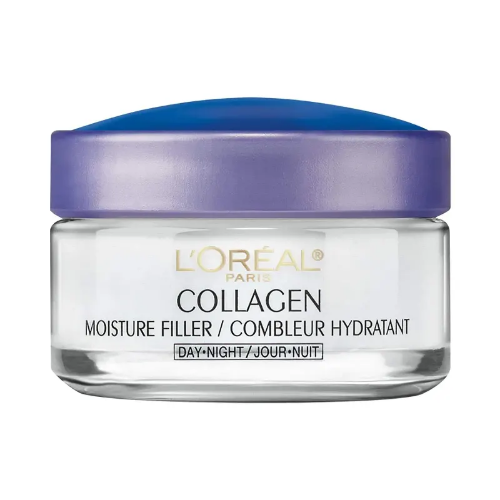
1. L’Oreal Collagen Moisture Filler

Despite not being as expensive as most other anti-aging creams, L’Oreal’s Collagen Moisture Filler produces noticeable results—and many have seen firsthand just how effective it is.

That isn’t surprising at all though, given the cream’s impressive list of ingredients. Aside from having soluble collagen (which serves as the main filler), it has glycerin and shea butter.

Glycerin is known to be quite effective in keeping skin hydrated, mainly by drawing moisture into the skin itself. Shea butter, on the other hand, excels in fighting inflammation and free radicals.

Unfortunately, like most other creams, it isn’t really suited for oily skin. It isn’t necessarily greasy, but it doesn’t feel that pleasant when used during warm days or when sebum production goes into overdrive.

    Things We Liked:

  • Good mix of ingredients
  • Mild but pleasant scent
  • Quite affordable

    Things We Didn’t Like:

  • Not rated for sun protection
  • Not ideal for oily skin

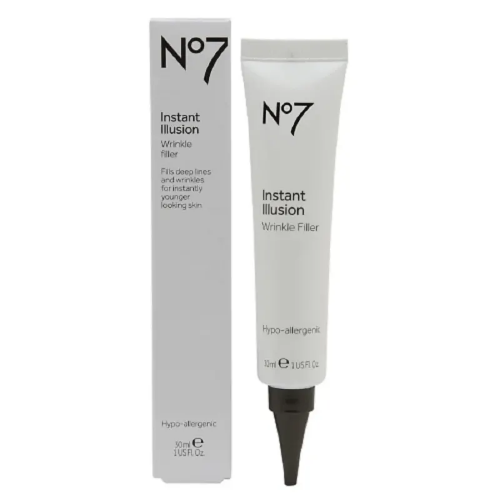
2. No7 Instant Illusions Wrinkle Filler

Intended as a short-term solution, Instant Illusions works in two ways: it covers gaps and grooves with silicone, and diffuses light to make wrinkles harder to see.

While relatively new compared to most other ingredients in cosmetics, silicone already has various medical applications. It’s known to be safe, but there are concerns about its potential harm to the environment.

The light-diffusing component, however, isn’t explicitly listed. But, it’s likely that the product makes use of silica, which has the right optical properties and is commonly used in light-reflecting makeup.

What’s the catch? Although No7’s offering gives immediate improvements even for deep wrinkles, it doesn’t offer any real benefit to the skin—in other words, its results are purely cosmetic.

  • Instantly hides deep wrinkles
  • Easy to apply even with makeup
  • Dries clear with a matte finish
  • Lasts only a few hours
  • No real benefits to skin health

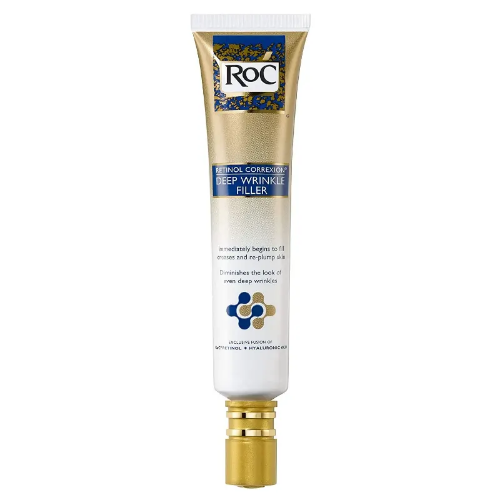
3. RoC Retinol Correxion Deep Wrinkle Filler

At almost double the price of the other products we’ve listed so far, this wrinkle filler needs to be really good to be considered a worthwhile investment.

Well, we’re quite impressed with what we’ve seen. Not only has it garnered glowing reviews, it also contains two important ingredients: hyaluronic acid and retinol.

Hyaluronic acid, a substance produced naturally by the body, is what enables the skin to retain moisture. Applying additional amounts of it is a proven way of not just hydrating the skin, but also reducing wrinkles.

Retinol is another excellent ingredient. It adds to the skin’s hydration while at the same time boosting collagen production, meaning it lessens the visibility of existing imperfections while preventing new ones from forming.

  • Great results if used regularly
  • Works even on vertical lip lines
  • Supports collagen synthesis
  • Not a cruelty-free brand
  • Not for sensitive skin

4. Neutrogena Rapid Wrinkle Repair

This one’s similar to RoC’s Retinol Correxion Wrinkle Filler in that it has both hyaluronic acid and retinol among its key components. What sets it apart is that it has glucose complex and a dozen other ingredients.

There’s not much information about Neutrogena’s glucose complex, but the skincare company claims it enhances retinol’s effects—possibly further hastening collagen production.

The cream’s other ingredients include dimethicone (a silicone) and glycerin. Dimethicone mainly works as a spreadable filler, while glycerin improves hydration by keeping moisture within the skin’s cells.

While a long list of ingredients may seem impressive, seeing additives like disodium EDTA and sodium hydroxide makes us question the purity of this cream. Of course, there’s the issue of safety as well.

  • Not the cheapest but still affordable
  • Has hyaluronic acid and retinol
  • Fragrance-free variant is available
  • Additives may be harmful
  • Glucose complex is mostly unknown

5. Olay Regenerist Wrinkle and Pore Vanisher

Another instant fix, this cream covers creases while locking moisture within the skin. Like our previous entry, it makes use of dimethicone—though it also has another silicone component, namely cyclopentasiloxane.

As for locking in moisture, it has glycerin and vitamin E, with the latter working as an antioxidant as well. That means it gives additional protection from the damage caused by sunlight and pollution.

Despite being a cream, Regenerist is noticeably light, so it’s good even if you have oily skin. In addition to that, the tube’s design makes it easy to avoid putting too much on one area.

While we’re definitely impressed, we can’t deny the fact that it has its fair share of downsides, such as not blending well with other cosmetics and failing to dry evenly.

  • Smart tipped-tube design
  • Works within minutes
  • Gives a matte finish
  • Gets wiped away by other cosmetics
  • May leave a powder-like residue

6. ERASA XEP 30 Rejuvenation Serum

At around 100 USD per ounce, this is the most expensive product on this list. The price isn’t surprising though, once you realize that what you’re getting is essentially a filler combined with Botox.

XEP 30 is a molecule that works like the neurotoxic peptides found in cone snail venom. That means it has a muscle-relaxing effect that should help in reducing fine lines and wrinkles.

What makes XEP 30 arguably better than Botox, however, is that it won’t cause permanent harm. As you probably know, getting injected with Botox multiple times could eventually lead to partial facial paralysis.

Although not as potent as its injectable counterpart in relaxing muscles, ERASA’s Rejuvenation Serum is loaded with natural ingredients that may help fight aging and reduce inflammation (e.g. magnolia, birch).

  • Highly concentrated formula
  • Can be used on top of other cosmetics
  • Reduces pore size and shine
  • Expensive for daily use
  • Consistency is a bit too thick

Skincare products that contain phytoestrogens might have a better shot at reversing the effects of time. You could try phytoestrogen serums, like those from Mirifica Science, and see for yourself.

Towards a Deeper Solution

It’s true that fillers effectively hide the unsightly signs of aging. And of course, there’s nothing wrong with being satisfied with their results, especially if you need something that works fast.

Still, do keep in mind that you don’t always have to focus on the surface of the issue. Filling in fine lines, trapping in moisture, as well as nourishing the skin can only do so much.

What are we trying to say exactly?

It’s possible to work on the very root of the issue: estrogen. The gradual decline of this hormone as you age triggers a cascade of physiological events that ultimately lead to the key signs of aging.

With that said, skincare products that contain phytoestrogens might have a better shot at reversing the effects of time. You could try phytoestrogen serums, like those from Mirifica Science, and see for yourself.

Well, whether you choose to invest in the best wrinkle filler or you end up going the phytoestrogen route, we hope that we somehow helped you in your fight against aging.