Posted on

Fine Lines And Wrinkles: Causes, Prevention, And Treatment Strategies

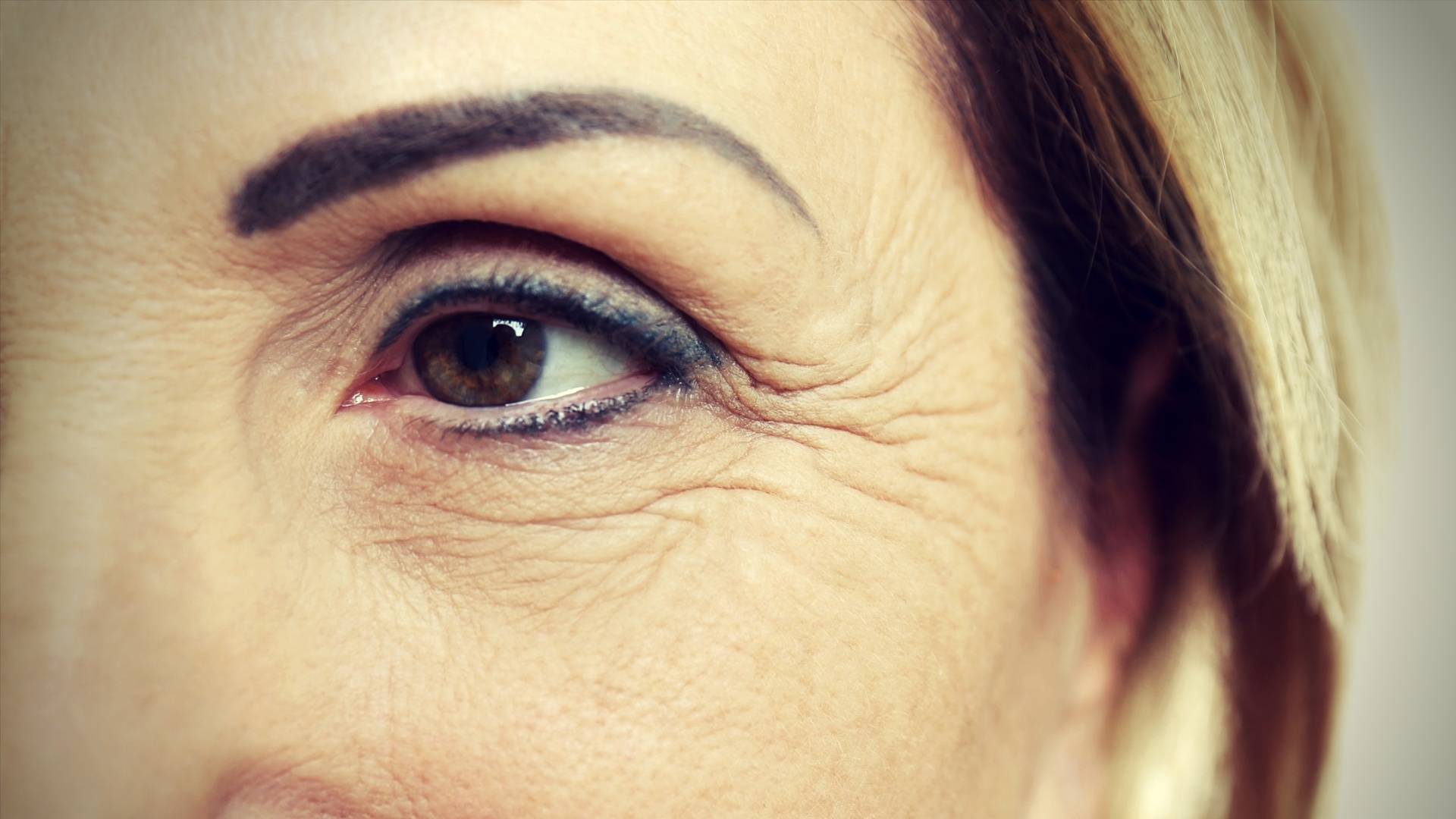
Fine lines and wrinkles are some of the most stubborn things to get rid of. It seems there’s nothing we can do about it except accept it as part of the aging process.

Let’s try to understand what wrinkles and lines are all about and what you can do about these.

Prevention is way better than cure. It’s also way less expensive. Here’s a few simple tips to keep those nasty lines away.

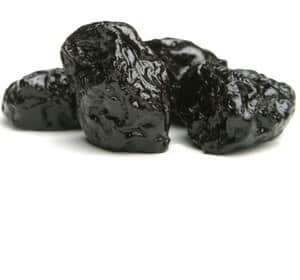
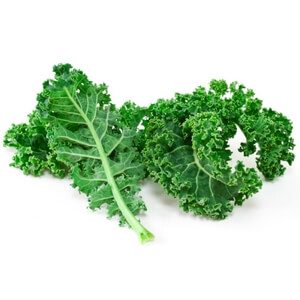
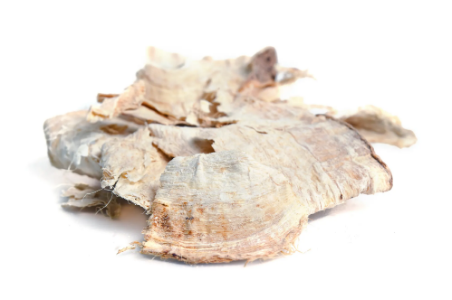
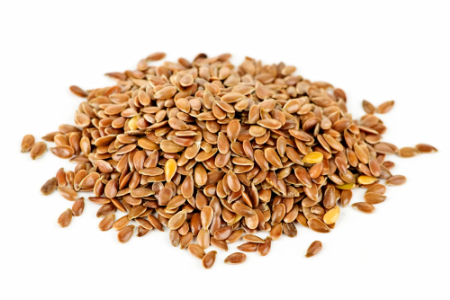
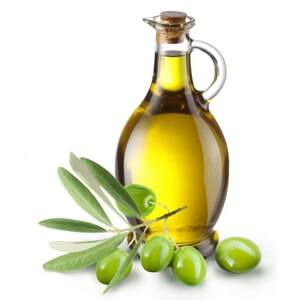
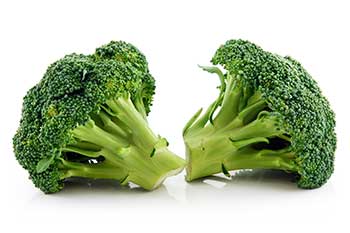
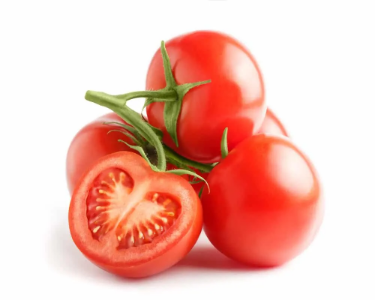
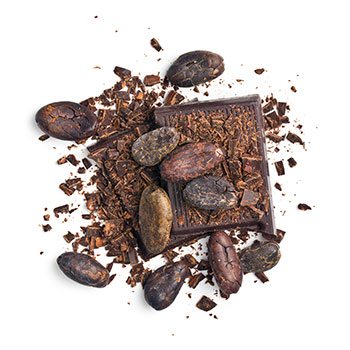
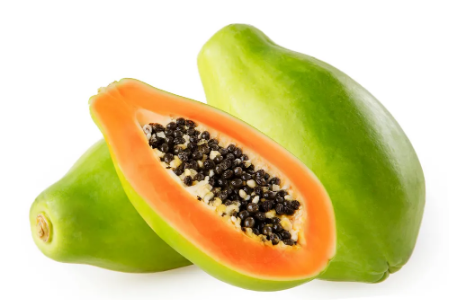
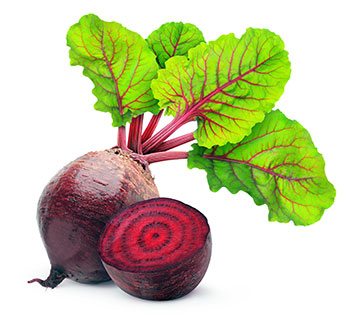
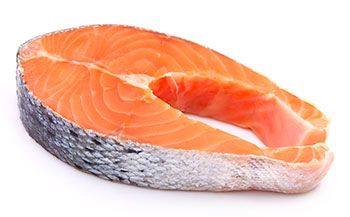
GLOWING SKIN GROCERY LIST

We created an infographic for you to use as a cheatsheet of the best foods to eat for healthy and glowing skin.

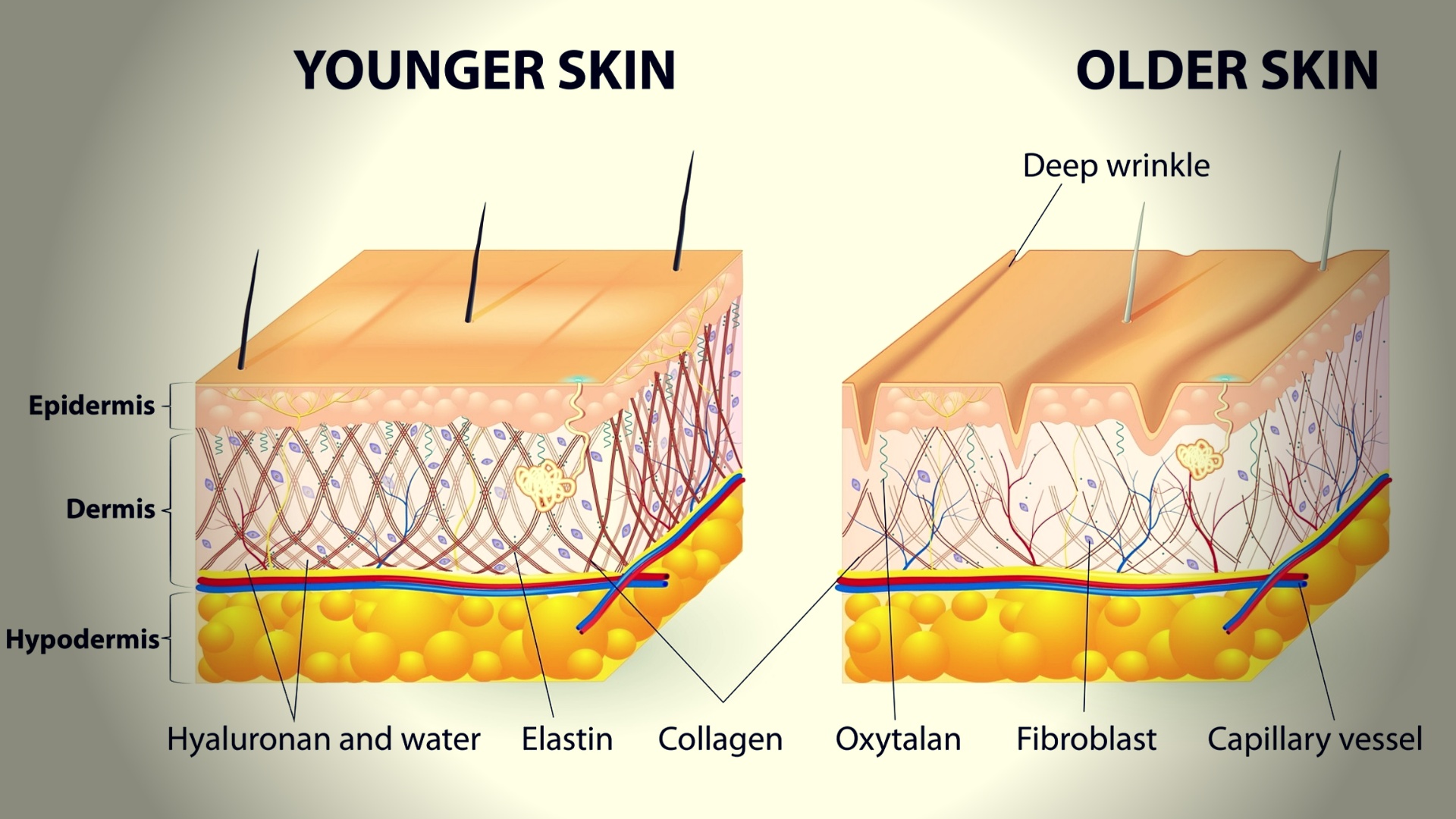
The health of the skin is largely determined by the health of the proteins elastin and collagen. Production of these proteins slow down with age, usually starting by mid to late twenties.

The body cannot produce these proteins fast enough to replace the ones broken by exposure to elements, stress and natural wear-and-tear process.

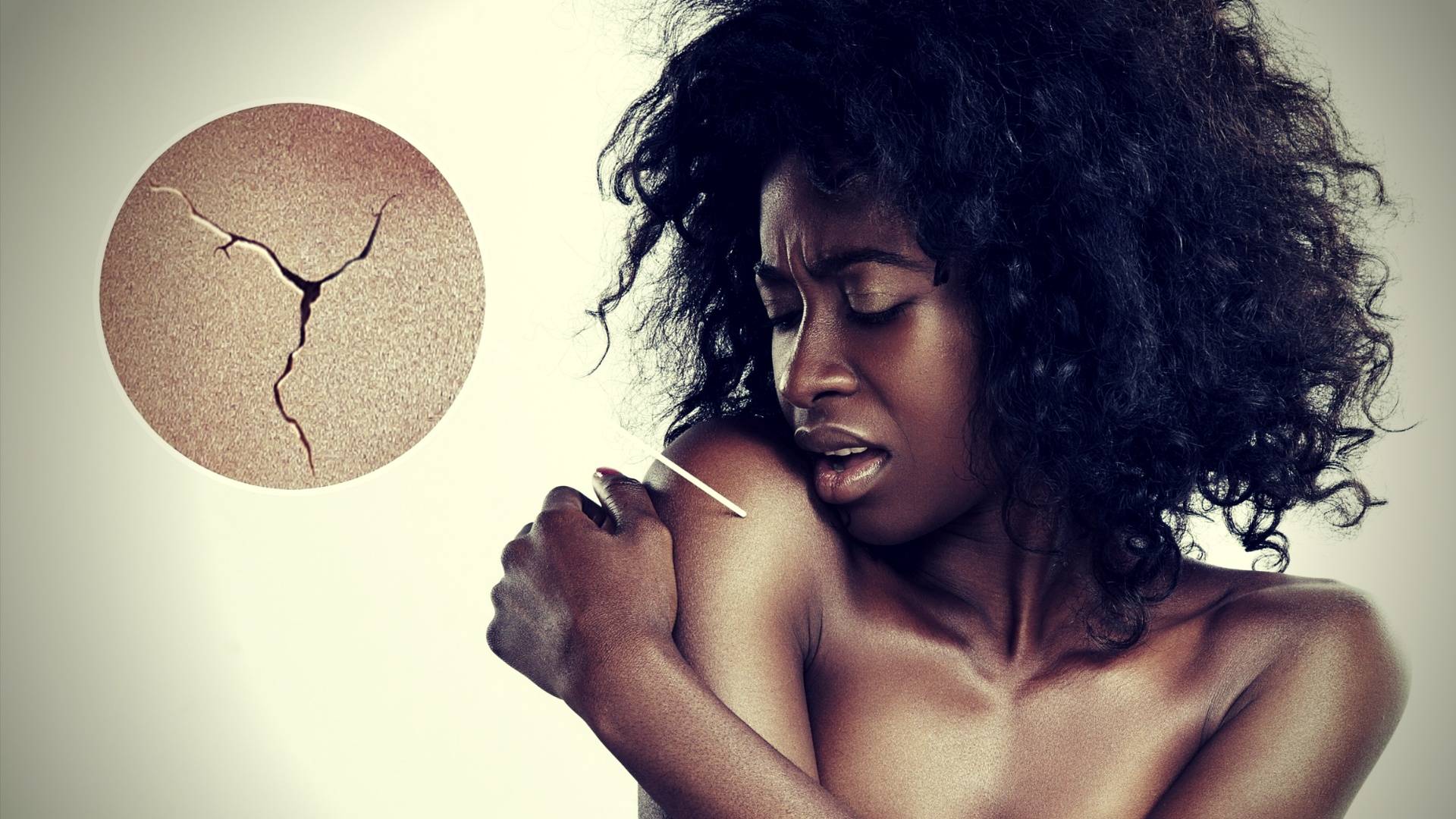
The result: wrinkles and fine lines in areas with un-replaced proteins.

Fine lines is fundamentally different from wrinkles, though. Fine lines are a result of the skin section unable to bounce back after folding.

Fines lines, as the name implies, are very mild and shallower. These are often found in areas where the skin is thinner.

Wrinkles are pretty much the same. The only small difference is that these are deeper creases, often found in areas with thicker skin structure.

There are also 4 main types of wrinkles. These are:

Atrophic Crinkling Rhytids

  • Parallel lines from overstretching of the skin

Permanent Elastic Creases

  • Often seen on the upper lip, base of the neck and the cheeks as a result of repeated overexposure to the sun

Dynamic Expression Lines

  • Usually around areas that fold and stretch often when showing emotions, such as laughing, smiling or laughing. These often develop due to constant stress on the skin.
  • Example is formation of deep lines over the forehead from repeated and too much frowning, or deep lines from the side of the nostrils down to the sides of the mouth from smiling or laughing often.

Gravitational Folds

  • Wrinkles resulting from aging, where the skin naturally starts to sag and fold

Ways to Prevent Fine Lines and Wrinkles

Prevention is way better than cure. It’s also way less expensive. Here’s a few simple tips to keep those nasty lines away:

1. Hydrate

Experts cannot stress this enough. Keep your skin healthy by keeping moist. The best way and most inexpensive way is to keep yourself well hydrated all day.

Drink lots of water, especially when the weather is hot, humid, even those chilly days. Moisturized skin requires water. Make sure to drink plenty.

2. Protect

Keep your skin protected from too much sun exposure. A healthy dose early in the day helps to improve health but prolonged exposure such as sun bathing can accelerate protein breakdown.

Prolonged sun exposure also causes more damage and reduce the skin’s ability to heal itself.

It’s not just the sun you should be protecting your skin from. You should also protect it against harsh chemicals, such as:

  • too much and prolonged wearing of makeup
  • harsh chemicals in skin care products
  • dust
  • extreme temperatures (too dry, too hot, too cold)
  • smoke

3. Feed

A healthy body maintains healthy skin. Eat a well-balanced diet to feed the cells, including the skin cells with the right nutrients.

Examples are vitamin C and other antioxidants to boost the skin’s ability to protect, heal and restore itself.

Feeding the skin also means using products that can provide nutrients directly to the skin structure such as creams and serums.
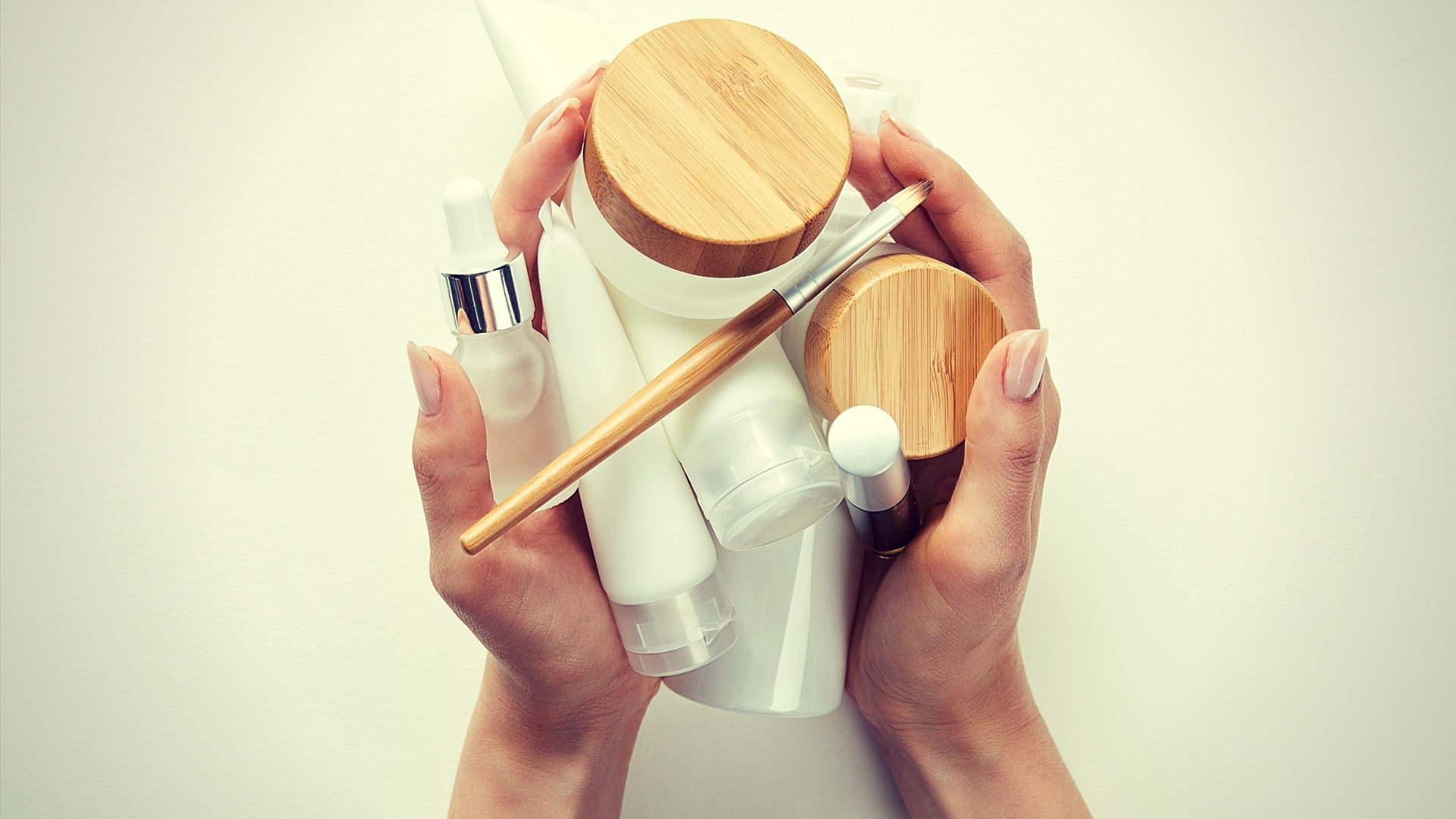
Skin Care Products

Not all skin care products can be good for you. Not because a celebrity endorsed it or it is an expensive bottles means it is the best one for you.

You have to be very careful in choosing. Read the labels and understand what each ingredient means and what it can do for you.

Anything artificial must be avoided, including fragrances, colorants and preservatives. Look for natural ingredients.

Then again, not all products or ingredients labeled as “natural” is automatically good or effective. It has to have scientific proof for effectiveness and safety of use.

There are a handful of natural ingredients with a good body of research to back the claims. One such ingredient is called Pueraria mirifica.

What is Pueraria Mirifica?

This is a native plant in Burma and Thailand. The roots have been found to contain a good concentration of phytoestrogens.

These chemicals in act like estrogen (called estrogenic effects), which can have many benefits in the body. These include:

A few studies on animals also found that extract from this plant has the potential to improve bone strength and control the rate of bone loss in estrogen deficiency conditions.

One study also found it to have positive effects on the breast tissues, including potential anti-canceractions like breast cancer.

This natural ingredient also helps the skin in many ways. A few examples include:

  • Improved skin hydration
  • Better skin elasticity
  • Significant slowdown in skin aging
  • Reduced pore size and depth of wrinkles
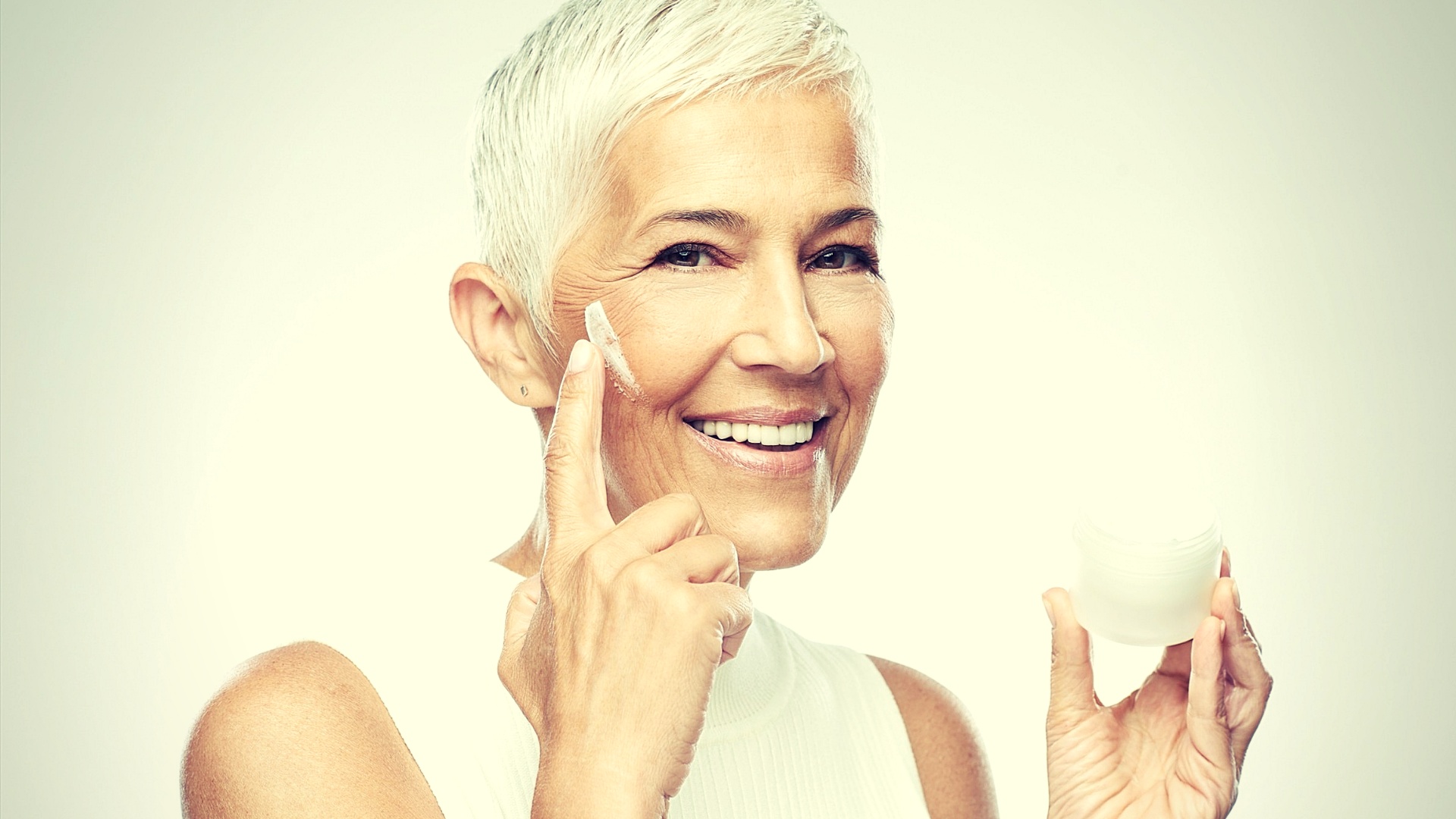
How to Use Pueraria Mirifica?

This natural ingredient can be found in topical and oral forms. Topical use can be in the form of soaps, gels an creams. Oral Pueraria mirifica can be taken in tablets or capsule forms.

Clinical studies found that benefits from this plant can be produced when taking oral 200 to 400 mg of root extract per day. That is usually achieved by taking commercial oral preparations once in the morning then another dose in the evening.

Safety is use is imperative. The product is essentially safe and effective, based on numerous studies on its individual use. However, individual reactions do vary.

Some of the ingredients included in the preparations may induce allergic or hypersensitive reactions. Check the product label. Do not use if you are allergic or hypersensitive to any of the listed ingredients.

Use with caution because of its estrogen-like properties. That means cautionary use for conditions such as anemia, liver conditions, pulmonary embolism and estrogen-dependent neoplasia.

Pueraria mirifica is one ingredient that might just be the answer you are looking for. It is natural, proven safe and effective for various conditions, including improved skin health and reduced fine lines and wrinkles.

Conclusion

Skin aging is inevitable but you can slow down the process. In doing so, you also help bring back and maintain good skin health.

There are so many products out there that it can be overwhelming in making the best choice for your skin.

The key is to choose the most natural ingredient with good science to back it up.

Pueraria mirifica is one ingredient that might just be the answer you are looking for. It is natural, proven safe and effective for various conditions, including improved skin health and reduced fine lines and wrinkles.

All our products are research-backed. We spend countless hours reading through clinical
studies to make sure our products do exactly what we say they will.

That’s why we assume all the risk and can guarantee you’ll see results. Otherwise, you have a solid 60 days money-back guarantee on your purchase.


Simply put, if our products don’t work for you, just let us know and we’ll refund you everything. No questions asked.

Posted on

Lip Wrinkle Cream vs Other Anti-Aging Strategies for the Lips: What Works Best?

There’s an abundance of different types of lip wrinkle cream as well as other anti-aging products and treatments in the market today. This is no surprise as full plump kissable lips are considered by many as characteristics of youthful beauty in many cultures.

‘The one’ for you might be a ‘clean and natural’ product that’s affordable, accessible, and convenient to use.

In the US, a survey by InStyle showed that fine lines and wrinkles are among the top 5 skin concerns of women aged 18 to 74. Around 59% of the respondents put these in their list, while chapped lips are a concern for about 64% of those who participated in the survey.

In another article in the same publication, spending on anti-aging products was estimated to be in the tens of thousands to as high up as nearly $200,000 per person in a span of about 50 years. They forecasted the anti-aging beauty category for health and beauty products to be at a gross of over $330 billion all around the world by next year.

Premium anti-aging and mass anti-aging products are high up in the top 3 rankings for retail value sales in 2017. At the same time, there appears to be a move towards a more holistic approach using products that are ‘clean and natural.’

The Search for ‘The One’

Given a myriad of choices from natural remedies and topical methods to high tech procedures and science-based chemical treatments, some consumers usually end up buying more products than necessary. They either try every new launch that promises to turn back time or buy the wrong products in search for the right one that’s going to be most effective for them.

Have you ever, at some point in your adult life, found yourself looking with frustration at the tubs and bottles of creams, toners, and serums that you have accumulated over time? Have you had to toss expired products in the trash because they were ineffective?

Stop wasting your money on an expensive trial and error search for the right product. You also do not have to go to a cosmetic surgeon for chemical treatments and surgical procedures to prevent or erase wrinkles and fine lines.

‘The one’ for you might be a ‘clean and natural’ product that’s affordable, accessible, and convenient to use.

Comparing Products and Procedures

It can be tedious to go through the list of all the available products and procedures and review them on your own. Sephora alone is likely to turn up over a thousand products when you do a search for lip wrinkle products.

And so, let’s round up your options here so you can either pick the most effective product for you or at least narrow down your choices to the specific category of solutions.

1. Topical Methods

Creams, serums, balms, etc. are the most common and accessible solutions available to you. You can get most of these over-the-counter without a prescription.

Formulations that contain estrogen are effective in restoring moisture and reducing wrinkle depth. Hyaluronic acids and collagen are likewise in the list of potent ingredients in anti-aging and wrinkle repair products.

The price range of these products can go from as low as around $30 for drugstore brands to upwards of $400 for luxury brands. These are estimates for products in 1.7-oz. jars.

2. Peeling and Microdermabrasion

These are also procedures that are done by trained and licensed health professionals in derma clinics. Both of these remove the top layer of the skin to make way for a fresh layer of skin.

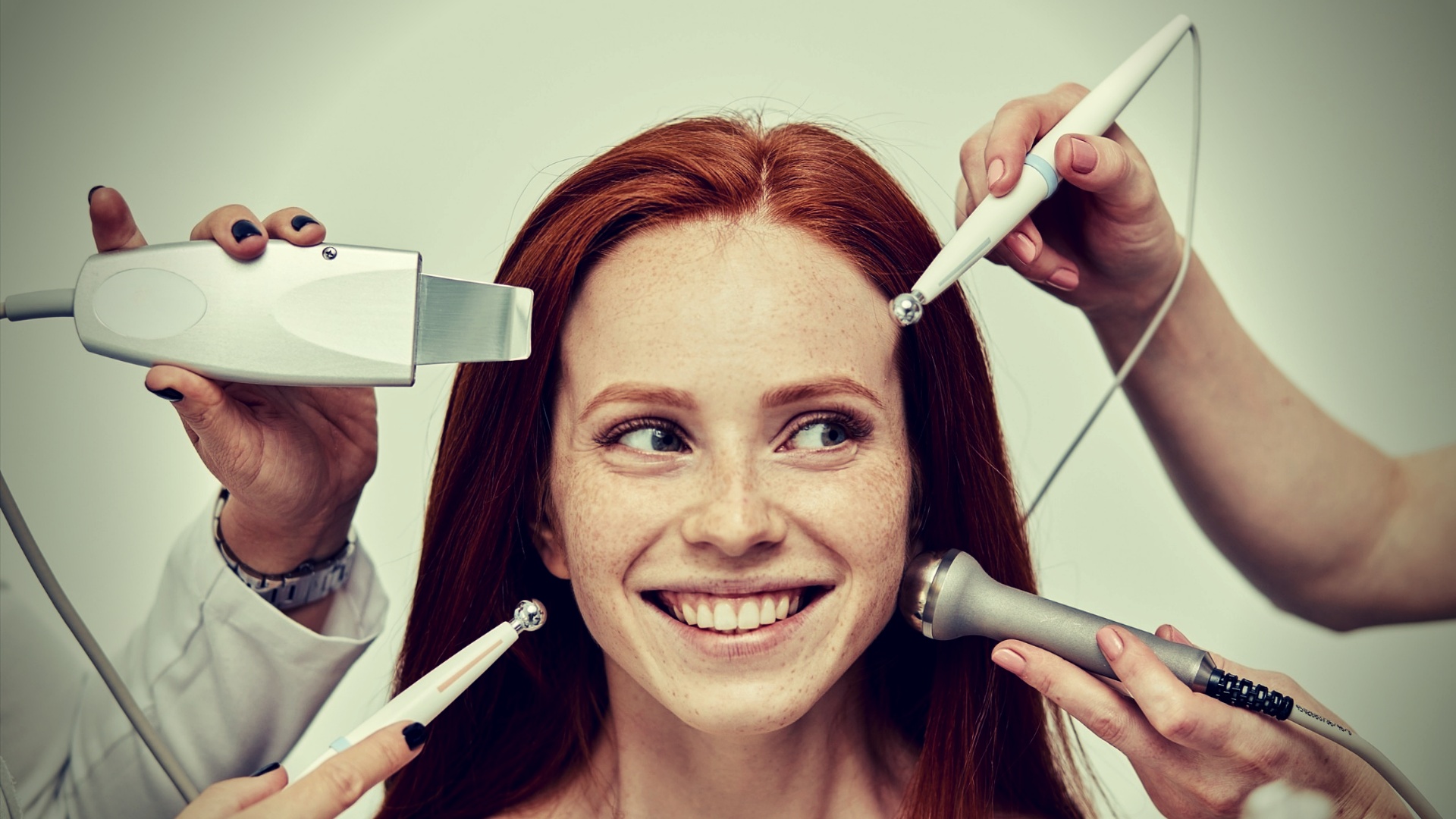
You can choose to have either a chemical peel or a microdermabrasion procedure — one makes use of a chemical solution while the other uses a device with a brush or a diamond tip.

Laser resurfacing also involves the removal of the skin’s upper layer, but it’s not usually a recommended procedure for lip wrinkles. It is used mostly for the area around the eyes and nose.

A chemical peel costs between $500 to $700 per session as compared to around $150 per session for microdermabrasion. It is best to ask your dermatologist or cosmetologist how many sessions you are likely to need so get a more accurate cost estimate.

3. Microneedling

This is a procedure that has only been introduced in the market in the past five years. With a device, it stimulates collagen production to remove fine lines and tighten the skin.

The price range for this procedure is quite broad at $100 to $700 per session. Again, your dermatologist would be the best person to give you a more accurate estimate given the kind of treatment that you require.

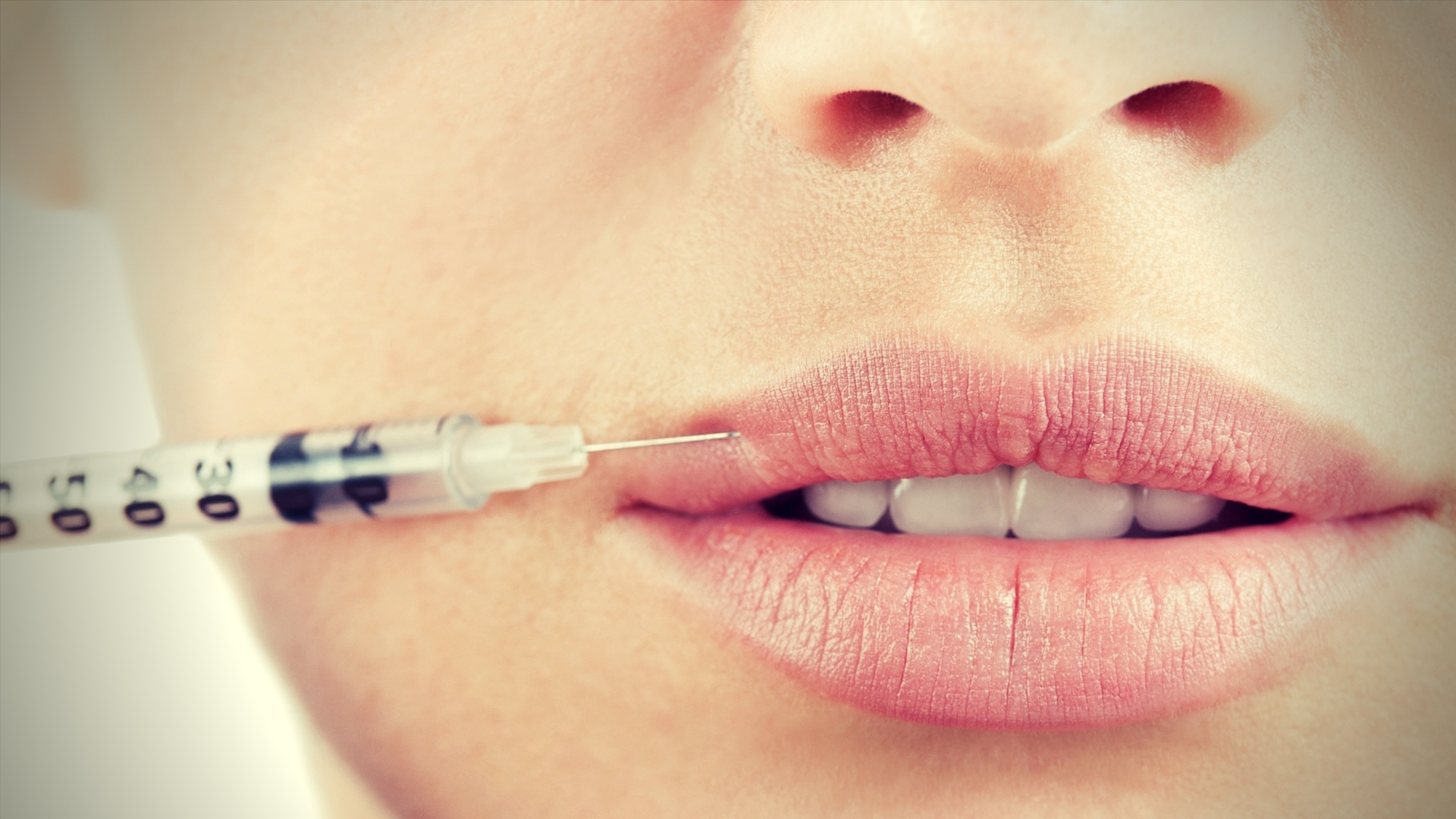
4. Injectibles

These are also called fillers because they are injected to ‘fill’ the lips with a solution. They plump up the lips and make them look fuller.

Both hyaluronic acids and collagen are likewise common ingredients of injectables. The procedure is done by health professionals in dermatology clinics.

Botox and platelet-rich plasma treatments are also injectables, although Botox simple relaxes the muscles and restricts movement to prevent wrinkles. Platelet-rich plasma treatments stimulate collagen production in the lips by making use of the patient’s own blood.

Regular fillers are about $500 to nearly a thousand dollars per milliliter (ml) of solution. Platelet-rich plasma, or vampire facial, can run up to $3,000, while Botox costs around $150 to $350 per session.

The best solution to your upper lip wrinkles is a facial serum that contains Pueraria Mirifica, with all its 17 active phytoestrogens acting as potent antioxidants and skin improvers.

Go Clean and Natural

You can slow down the aging process of the skin on your lips and your face with more affordable and accessible natural ingredients and simple skin care practices. According to studies, topical formulations containing estrogen are effective in ‘decreasing wrinkle depth.’

Your best options in dealing with your upper lip wrinkles are products that contain potent natural phytoestrogens. These plant compounds act the same way as estrogen and are thus used as hormone supplements or in hormone replacement therapies.

A popular ingredient that’s rich in natural phytoestrogens is Pueraria Mirifica. It is used in different formulations including anti-aging and skin rejuvenation topical products — we have a facial serum right here at Mirifica Science for reducing wrinkle depth by improving skin elasticity and hydration.

The best solution to your upper lip wrinkles is a facial serum that contains Pueraria Mirifica, with all its 17 active phytoestrogens acting as potent antioxidants and skin improvers. You can start experiencing the lip wrinkle cream benefits of this serum now — just click away!

Posted on

How to Prevent Wrinkles Naturally Without Expensive Facelifts

Do you want to know how to prevent wrinkles the natural and safe way? The good news is that there are more options nowadays that will get you that near flawless look.

There are natural solutions like using pueraria mirifica herbs and other options, which are more affordable and safe. You don’t need to undergo expensive treatments such as laser resurfacing, Botox, and wrinkle fillers.

Marilyn Monroe once said “I want to grow old without facelifts”. And that has been the goal of some men and women in our day.

Our world is one where youthful looks are celebrated and to some degree envied. If that is what you want to achieve minus the invasive procedures, then this short guide is for you.
Wrinkles are the creases and lines that are formed on our skin. They usually aren’t problems but when they create furrows and deep crevices on the face then people become concerned.
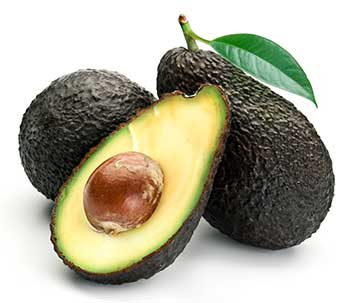
The wrinkles that we see on our skin are actually caused by a combination of different factors. Here are the causes of the lines on our necks and faces.
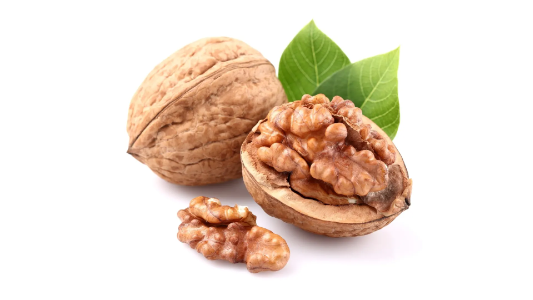
1. UV Light Exposure

One of the most common causes of wrinkled skin is too much exposure to sunlight. The ultraviolet light from the sun has a powerful impact on our skin.

UV light actually speeds up the skin’s aging process. Some say that this is the primary reason for skin aging—of course natural aging is also part of the process as well.

Those who get too much sun exposure may experience signs of early wrinkling. This is due to the fact that UV light affects the connective tissues (i.e. the elastin fibers and collagen) of the skin by breaking it down.

2. Age

As we grow older our skin naturally grows older as well. With age comes the loss of elasticity and it will eventually make the skin more fragile.

This condition results in reduced production of the skin’s natural oils, which makes the skin dryer. A dryer skin then becomes more prone to wrinkles.

There is another phenomenon that occurs during aging process as well—the diminishing of the fat layers of the skin. This process is the reason why you get saggy loose skin.

3. Facial Expressions That We Make Repetitively

Our skin gets folded in different ways when we smile, frown, squint, and make other facial expressions. These facial movements lead to fine lines on our face.

Fine lines are okay since they’re not that noticeable. However, when facial movements are made repeatedly, then fine lines turn into larger wrinkles due to the grooves created on our skin.

Add to that the effects of aging then the skin loses its natural ability to spring back into its original shape or form. Since the skin is no longer able to return back in place, the small grooves that were formed become permanent.

They eventually become even larger as we repeat the same facial expressions. Sometimes we just have to be mindful of the facial expressions we make.

4. Smoking and Other Nasty Habits

There are bad habits that can accelerate the aging process of the human skin. For example, people who smoke tend to have more wrinkles because there are compounds inhaled by smokers that can reduce the skin’s collagen content.

How to Prevent Wrinkles the Natural Way

Can you still get a flawless wrinkle free face when you turn 60? That ideal condition of the skin will be pretty hard to achieve but the good news is that you can reduce the amount of wrinkles and fine lines naturally.

Here are some tips and best practices on how to prevent wrinkles:

1. Get Some Sun Protection

Since sun and UV exposure is one of the biggest contributing factors to skin aging and the development of wrinkles, then this is what everyone should start with. As much as possible, you should limit the amount of sun exposure you’re getting.

But that doesn’t mean you should avoid getting any sunlight on your skin at all. You should avoid any form of direct UV exposure from the sun during midday.

In case you need to go out, make sure that you wear protective clothing. You can use sunglasses or shades, long sleeves, and wide brimmed hats, which kind of makes for a very stylish outfit.

Another necessity when it comes to skin protection and wrinkle prevention is sunscreen. Remember that your sunscreen should have at least SPF 15.

The American Academy of Dermatology however recommends a sun protection factor of 30 and higher. They also recommend that people should use broad-spectrum sunscreen.

Best practice indicates that you should apply a generous amount of sunscreen when you use it. If you are swimming or when you’re exercising and sweating, make sure to apply another coat of sunscreen every two hours.

2. Don’t Forget to Moisturize

One of the underlying conditions that cause wrinkles and fine lines on our faces is dry skin. Our skin is usually exposed to the environment all the time.

Using moisturizers will help prevent skin dryness and of course stop fine lines and deep creases from appearing. What these things actually do is that they trap the water in your skin, thus keeping your skin hydrated.

This moisture that is retained on your skin prevents the skin from flattening and thereby reducing the fine lines and wrinkles since the skin bumps right back up after getting folded. Take note however that you need to apply moisturizer for a few weeks on your skin before you see any noticeable improvement.

Research also suggests that people should use moisturizers that have vitamin C and hyaluronic acid. Both of these compounds have been found to prevent wrinkles from forming and stop them from getting deeper in case you already have them.

3. Correct Dietary Habits

Speaking of nutrients, another important point is that our dietary habits have a direct impact on the wrinkling of our skin. This is especially true for women.

Studies show that eating unhealthy snacks and a high amount of red meat have a tendency to increase the amount of wrinkles on the skin. If you want to prevent the onset of wrinkles, experts suggest that you eat more vitamin rich food—which means more fruits and veggies in your diet.

As we all know, fruits and veggies are rich in antioxidants and some of them are also anti-inflammatory. Studies also suggest that anti-inflammatory foods may help to heal skin damage (e.g. wrinkles and fine lines), and reverse premature aging.

The following are some anti-inflammatory foods that you might want to consider adding to your diet:

  • Bell peppers, broccoli, leafy greens, pumpkins, carrots, and other veggies
  • Flax seeds
  • Pomegranates
  • Soy
  • Salmon
  • Olive oil
  • Green tea

Other than correcting your diet, you should also avoid smoking and other unhealthy habits. This can help correct issues that trouble your skin.

4. Sleeping on Your Back

Studies suggest that side and stomach sleepers are more prone to wrinkles. This is due to the pillows getting pressed against the face which obviously leaves a mark.

The solution of course is to sleep more on your back than on your sides or stomach.

Apart from sleeping properly, getting enough sleep is also another solution on how to prevent wrinkles. According to experts from Yale University, when you don’t get enough sleep your body produces too much cortisol which is a hormone that is responsible for skin breakdown.

5. Coffee Out, Cocoa In

According to a 2006 publication from the Journal of Nutrition, by simply taking more cocoa you can get more skin protection from UV rays. All you have to do is to trade your morning or afternoon coffee for a warm cup of soothing cocoa.

Cocoa has two compounds called dietary flavanols (i.e. catechin and epicatchin). They help to facilitate the skins hydration, improve blood circulation, and protect it from sun damage.

6. Don’t Overdo Face Washing

Another culprit is washing your face too much. Studies suggest that the scrubbing action, tap water, and the soap that we use to wash our face strip the facial skin of its natural barrier oils.

If you need to wash your face often, then don’t use harsh soaps. In fact, you should make sure that your facial soap has moisturizers.

7. Use Topical Treatments

Another option on how to prevent wrinkles is to use topical treatments. Note that some these skin treatments will require a prescription from your doctor.

For example, Alpha-hydroxy acids or AHAs, are particularly useful for treating fine lines around the eyes. Idebenone creams have also been found to reduce fine lines and wrinkles by as much as 27%.

8. Pueraria Mirifica

Pueraria mirifica is an herb that is endemic to Southeast Asia, particularly in Thailand and nearby countries. It is locally known as Kwao Krua.

There are a lot of health benefits that have been derived from this herb. It has also been found to be especially beneficial to menopausal women.

However, that is not the only benefit that can be derived from this herb. It has also been found to be quite helpful in the preservation of youthful looking skin.

Here are some of its skincare benefits:

Pueraria mirifica is scientifically proven to directly prevent and reduce fine lines and wrinkles. It is 100% natural and won’t require expensive procedures such as laser resurfacing, facelifts, wrinkle fillers, and Botox.

A Final Word

Pueraria mirifica is scientifically proven to directly prevent and reduce fine lines and wrinkles. It is 100% natural and won’t require expensive procedures such as laser resurfacing, facelifts, wrinkle fillers, and Botox.

If you’re interested in learning more about how to prevent wrinkles the natural way, then visit the official Mirifica Science page.

Posted on

How to Increase Skin Elasticity: Your DIY Beauty Guide

Maintaining skin elasticity is one of the primary ways to make your skin look as healthy as possible. If you want to know how to increase skin elasticity, the rest of this article will show you the kind of lifestyle that you should avoid, and what you should follow to get the plump skin that you’re after.

One of the most potent sources of phytoestrogen is Pueraria mirifica, an herb that is endemic to northern Thailand. Natives generally use it for it rejuvenating properties for older women and men, but now, it’s also used in various skincare products to boost skin health.

Soft, firm, and elastic skin are often seen as signs of youth and vitality. Conversely, sagging skin and wrinkles are associated with old age or poor health.

That’s because people’s skin loses collagen and elastin as they grow older. While that’s simply a natural part of life, some unhealthy choices in your youth can readily speed up your skin’s aging process.

Collagen and elastin are proteins that play a huge role in keeping the skin tight and young-looking. When you lose collagen and elastin, the skin becomes thinner and more prone to wrinkles and dryness.

Additionally, because the skin serves as the whole body’s protection against the harshness of the environment, it becomes prone to breakdowns if you fail to take care of it — something that can happen even if you’re relatively young. Gravity isn’t helping, either, so your skin is bound to sag.

Some factors that can make your skin lose its elasticity include:

  • Unhealthy diet
  • Constant stress
  • Lack of skincare routine in harsh climates
  • Air pollution
  • Prolonged sun exposure
  • Smoking and drinking
  • Hormonal imbalances
  • Rapid weight loss

Body changes during perimenopause and menopause are also large contributing factors to worsening skin conditions. This is due to the dramatic decrease in estrogen levels, which is essential in maintaining healthy skin.

Hence, topical estrogens or topical isoflavones (soy-based compounds interact with your body’s estrogen receptors) are typically used to treat aging in menopausal and postmenopausal women. When used consistently, improvements can usually be noticed within 3 to 6 months.

Lifestyle Changes That Can Improve Skin Condition

Although undesirable skin changes are bound to happen with age, the good news is that you can actually do something to slow down the process. Best of all, you don’t even have to spend on expensive and invasive procedures to do so.

In fact, you can start by simply changing a few things in your daily routine. Listed below are 4 simple lifestyle changes that will make your skin look more youthful than your actual age.

1. Adequate Hydration

Getting better skin can be as simple as drinking more water. This is because adequate hydration prevents your skin from thinning and sagging.

As a result, water will keep your skin looking plump and healthy. To further improve the effectiveness of water, make sure that you regularly apply moisturizer to keep your skin hydrated from the outside.

2. Regular Exercise and Healthy Diet

Diet and exercise aren’t only the solutions for getting to a healthy weight. Apparently, they’re also needed to keep your skin looking fresh and healthy.

Exercise increases your blood flow and oxygen intake, which in turn brings more oxygen and nutrients to your skin. Meanwhile, a balanced diet that’s rich in vitamins A, B, C, and E plus omega-3 fatty acids can improve collagen production and protect your skin from the damage inflicted by free radicals.

When your skin has access to more oxygen and nutrients, it’s able to harness what it needs to build healthy skin. Getting a total of 150 minutes of exercise per week usually will suffice.

Recommended food items include fish, nuts, and leafy greens. Green tea is also great as it contains a lot of antioxidants.

Now, you may think that you’re already doing the right thing by eating healthier food options, but if you don’t reduce your intake of sugar, alcohol, and fried foods, your new diet isn’t going to do much. Alcohol, for instance, has dehydrating effects on the skin.

3. Good Sleep Quality

Sleep allows your body to repair the damages that it had incurred during the day. Hence, if you want to have better skin, you must invest in your sleep because that’s the time when your skin is able to repair and recover.

Enough sleep will also prevent your skin from getting those dark circles around your eyes. Regular exercise and other stress prevention techniques can help you fall asleep more easily if you’re having trouble getting your hours in.

4. Sunscreen Application and Sunglasses

Oftentimes, people only wear sunscreen when they’re going for a swim. However, if you care about your skin, it’s better if you apply it regularly instead.

Consistent sun exposure without UV protection is one of the main causes of premature skin aging. If you can, avoid sun exposure between 10AM and 2PM, as these times are when the sun is at its harshest.

Are There Skincare Products That Can Help?

In addition to switching to healthier habits, you can also rely on skincare products to promote skin elasticity. They don’t even have to be on prescription to get the job done.

The question is what makes certain skincare products effective compared to others? Listed below are a few ingredients that make some products work like magic.

1. Antioxidants

Antioxidants are great at protecting your skin from the free radicals that exist in the immediate environment. It also has the power to block elastase, an enzyme that breaks elastin down.

Products with multiple antioxidants are your best bet in getting the skin that you want. That’s because antioxidants work better in synergy, so the more you have them in your product, the better they’ll be at fighting free radicals.

Vitamins C and E are among the most recommended antioxidants. Together, they bring out each other’s collagen-boosting properties.

2. Retinol and Retinoids

Retinol is one type of vitamin A. It’s usually an ingredient in over-the-counter skincare items like creams and serums.

The human body typically stops producing elastin during puberty. Fortunately, creams or serums that have retinol can help re-stimulate the production of elastin.

Although retinol can’t compare to the potency of prescription retinoids, topical retinols plus vitamin C can be enough to restore your skin’s elasticity.

Retinoids, on the other hand, can also stimulate the production of collagen. At its worst, the absence of collagen can make the skin feel like old leather.

Hence, elastin, together with collagen, can help make your skin smoother and tighter. Regular use can lead to significant improvements in just a few weeks.

3. Hydroxy Acids

An accumulation of dead skin cells is known to make your skin look bad. Hydroxy acids are capable of exfoliating the skin’s upper layers, thereby removing those wrinkle-producing and old skin cells.

Examples of hydroxy acids are:

  • Alpha hydroxy acid
  • Beta hydroxy acid (Salicylic acid)
  • Poly hydroxy acid

Regular exfoliation will reveal the younger skin underneath. This also encourages new skin to develop evenly and retain softness and firmness.

4. Phytoestrogens

Phytoestrogens are compounds that exist in some types of plants. When consumed, they behave like estrogen, hence the namesake (“phyto”, meaning “plant”, or related to plants, plus the hormone “estrogen”).

Oftentimes, estrogen therapy is administered to delay the effects of skin aging in menopausal women. While hormone therapies do work, you typically need the recommendation of your doctor for you to be able to get it.

Fortunately, consuming phytoestrogens presents a natural way to get rid of hormonal imbalances. Though phytoestrogens don’t exactly replace estrogen’s full function, they can at least help your body feel better, the way that estrogen can.

Why Are Phytoestrogens Particularly Helpful?

Out of all the ingredients in skincare products, phytoestrogens are probably the most beneficial. That’s because they’re small enough to get easily absorbed by the skin, thereby speeding up the skin healing and building process.

One of the most potent sources of phytoestrogen is Pueraria mirifica, an herb that is endemic to northern Thailand. Natives generally use it for it rejuvenating properties for older women and men, but now, it’s also used in various skincare products to boost skin health.

Aside from its hormone balancing properties, it also stimulates your systems to produce more hyaluronic acid. This substance helps the skin maintain its hydration, which makes your skin glow effortlessly.

Phytoestrogens also have anti-inflammatory properties. This doesn’t only reduce skin irritation and inflammation, but it also balances sebum production, all of which can be really helpful when you’re trying to eliminate acne and enhance your skin’s condition.

Ultimately, learning how to increase your skin elasticity and maintaining your skin’s glow all depends on your lifestyle and the products that you choose to use. If you’re looking for lasting results, Pueraria mirifica products like Mirifica Science skin serum and phytoestrogen-rich foods are sure winners.

Healthy Lifestyle Plus Phytoestrogens Are Key to Firmer Skin

Improving your skin’s elasticity starts with learning why it begins to sag in the first place. It will then become easier for you to pinpoint which of your habits are contributing to skin damage and avoid them altogether.

This is where healthy lifestyle and phytoestrogens will shine. Because phytoestrogens, particularly Pueraria mirifica, are good at fixing skin issues and hormonal imbalances, not only can you expect better skin conditions, but overall vitality as well.

Ultimately, learning how to increase your skin elasticity and maintaining your skin’s glow all depends on your lifestyle and the products that you choose to use. If you’re looking for lasting results, Pueraria mirifica products like Mirifica Science skin serum and phytoestrogen-rich foods are sure winners.

Posted on

Skin Rejuvenation Methods, Benefits, and Side Effects

Skin rejuvenation is a group of medical procedures and techniques that reverse the visible signs of aging on the skin. There are different rejuvenation strategies available today.

There are other options for rejuvenating the skin apart from medical and surgical procedures. An example of a non-surgical method is using special skincare products created specifically to slow down aging.

Why Consider Skin Rejuvenation?

As the term itself implies, the goal behind these strategies is to make the skin look younger. For example, you could opt for in-office procedures such as filler injections, chemical peels, micro-needling, laser skin resurfacing, and others.

There are other options for rejuvenating the skin apart from medical and surgical procedures. An example of a non-surgical method is using special skincare products created specifically to slow down aging.

The idea is to help the skin regenerate and tighten its damaged and sagging areas. This, of course, give the skin a younger and more glowing look.

Common Procedures

So, as we’ve mentioned, there are different procedures that are used today to renew and revitalize the skin. Let’s go over some of the most common in-office procedures first, and then discuss a few less invasive options.

1. Botox Injections

Botox Injections

Chances are, you’ve already heard about Botox injections as one of the most popular skin rejuvenating techniques. Injecting the skin with botulinum toxin is a fairly safe and relatively affordable option.

Botox treatments have been observed to be very effective at smoothing out wrinkles on the neck, brow, or forehead. This type of treatment requires no recovery time and involves very little risk. But how do these injection work? Basically, it’s all about paralyzing part of the local muscles so that they move less when you talk, smile, or frown. Less movement means less wrinkles, since you’ll be ”using” your skin with less intensity.

Although this strategy sounds a bit intimidating, its effects are only temporary and you’ll have to come back again for another round of the procedure.

2. Filler Injections

Filler Injections

Another common technique consists of injecting special substances called fillers under the wrinkles. For example, one popular filler is hyaluronic acid—a substance that’s already produced naturally in your skin.

Fillers with hyaluronic acid literally push the wrinkles up from underneath, smoothing the skin” from the inside out.” This effect lasts from 6 to 12 before the body gradually absorbs the filler.

3. Chemical Peels

Chemical Peels

A chemical peel is another method of skin resurfacing, a type of skin rejuvenation. Skin resurfacing refers to the peeling away of the top layer of the skin to reveal a younger and newer layer at the bottom.

There are other methods of skin resurfacing, which we will cover later on. A chemical peel is one that uses a chemical solution to peel away a layer of skin using a liquid solution that is applied over the problem area.

The solution is spread over the skin and then allowed to dry. Once it has already set, the chemical solution is then peeled off. This peeling effect will then stimulate the skin on the target area to produce new and healthy skin cells.

Chemical peels are best suited for the following conditions:

  • Removal of precancerous growths
  • For skin tightening
  • To brighten the skin
  • Reduce acne scars
  • Treat skin discoloration
  • Improve skin tone
  • Remove wrinkles
  • Reduce fine lines
  • Reduce age spots

Types of Chemical Peels

Note that there are two types of chemical peels: light chemical peel and deep (sometimes called medium) chemical peel.

Light chemical peels usually peel away only the uppermost layers of the skin. This light chemical peeling is done by using mild acidic solutions. A medium or deep chemical peel, on the other hand, reaches several layers deeper into the skin.

As you might expect, this type of procedure will require the use of stronger acidic solutions. Examples of this type of procedure include trichloroacetic acid (TCA) and phenol peels.

Note that deeper chemical peels tend to bring much more noticeable and dramatic improvements on the skin. However, your doctor may have to apply some anesthetics to keep you comfortable during the entire process.

4. Intense Pulsed Light (IPL)

Intense Pulsed Light (IPL)

Another skin rejuvenation treatment is called IPL or intense pulsed light. This treatment is somewhat similar to laser resurfacing, which we will cover later on.

Your doctor may recommend doing an IPL for pigmentation problems. Unlike a laser therapy, IPL uses a rather broad spectrum of light, which means it’s usually tolerated better by most people.

The first phase of an IPL treatment is where excess pigments are absorbed and removed. This includes brown and red discolorations.

It will then stimulate the skin to produce collagen. By doing so, you will get a better skin tone.

What’s good about IPL is that there is no physical removal of any skin layer. There are no wounds that require healing, so there is no downtime on your part.

You can walk into the clinic, get your IPL treatment, and then get on with the rest of your day.

This type of skin rejuvenation technique is best suited for the following conditions:

  • Fine lines
  • Texture problems
  • Vascular lesions
  • Redness
  • Spider veins
  • Age spots
  • Freckles
  • Hyperpigmentation
  • Sun damage

Note that IPL is marketed under a lot of different brand names. Some even use terms such as photorejuvenation, photofacial, broad band light, and others.

Remember that all of these procedures are IPL. The type or name of IPL procedure isn’t as important as the overall skill of the doctor performing it.

5. Dermabrasion

Dermabrasion

Dermabrasion is another skin resurfacing technique, but this one is mechanical in nature. That’s why dermabrasion should be performed only by a qualified cosmetic surgeon.

During the procedure, your surgeon will use an instrument with a rotating attachment that will basically sand off the upper layers of your skin. As a result, the doctor will be able manually treat different parts of your skin with the exact amount of peeling they need. Of course, a topical anesthetic will be applied to the skin to prevent any discomfort during the procedure.

Dermabrasion can be used to remove acne scars, as well as smooth the skin in general. It’s also a treatment of choice for facial wrinkles, smile lines, and lip lines.

6. Microdermabrasion

Microdermabrasion

Microdermabrasion is very similar to dermabrasion. The only difference is that the surgeon will be using a rotating instrument with a really fine tip—hence the ”micro” part in the procedure’s name.

In general, microdermabrasion is a gentler kind of exfoliation compared to dermabrasion. The surgeon will also apply abrasive particles in a fine mist.

This skin rejuvenation procedure has the advantage of being safe for all types of skin. It can be used on mild acne scars and other age spots.

Microdermabrasion can brighten and improve your skin tone. It’s also better suited for treating fine lines, crow’s feet, and finer wrinkles.

7. Microneedling

Microneedling

As the name of this procedure suggests, a surgeon will use a device that has microscopic needles. This instrument has very short and very small needles that make tiny punctures on the skin.

In effect, you’re not exactly peeling away a layer of skin but you’re just creating microscopic injuries that will trigger the skin’s natural healing. Your skin will produce new elastin and collagen—the building blocks of new skin.

The result of this procedure is a clearer complexion, healing from sun damage, and reduced skin imperfections. New healthy skin cells arise after this procedure.

This skin rejuvenation procedure is best suited for treating large pores, surgical and acne scars, fine lines, unsightly wrinkles, rough skin patches, stretch marks, and sun damage.

Microneedling is a generally safe medical procedure for all skin types. It’s also a better option for darker-toned skin.

So, is there a downside to using this treatment procedure? The big downside is that it doesn’t produce the same dramatic effect as other treatments.

That means you may have to undergo several microneedling sessions to get the results that you want.

8. Laser Skin Resurfacing

Laser Skin Resurfacing

Laser skin resurfacing is one of the most popular skin rejuvenation treatments available. Compared to IPL, laser skin resurfacing involves the use of concentrated beams of light.

This type of treatment can provide the following benefits:

  • Removal of unwanted body hair or facial hair
  • Elimination of surgical and acne scars
  • Tightening of the skin
  • Skin tone balancing
  • Elimination of redness, age spots, and discolorations
  • Smoothening of fine lines and wrinkles

Types of Laser Skin Resurfacing

There are two types of laser skin resurfacing treatments. The first one involves the use of ablative lasers and the second one makes use of non-ablative lasers.

Ablative lasers are the ones that break the skin surface while non-ablative ones don’t. Non-ablative lasers work gradually but if you want more dramatic results then get ablative laser therapy instead. Keep in mind, though, that the latter requires a certain period of recovery after the procedure.

One of the best approaches to try at home is to use products with the Thai herb Pueraria Mirifica. Jam-packed with healthy phytoestrogens that nourish, hydrate, and regenerate the skin, Pueraria Mirifica is safer and much more affordable that any of the other conventional skin rejuvenation strategies we discussed today.

Skin Care Products

Most of the skin rejuvenation procedures discussed above are performed in-office. This might not always be a feasible option for some people.

Also, the mentioned treatments are quite expensive. If you don’t have the time or the budget for these treatments, then home strategies using the right skincare products may be the best option for you.

One of the best approaches to try at home is to use products with the Thai herb Pueraria Mirifica. Jam-packed with healthy phytoestrogens that nourish, hydrate, and regenerate the skin, Pueraria Mirifica is safer and much more affordable that any of the other conventional skin rejuvenation strategies we discussed today.

The best part? There are tons of medical studies on the skin benefits of Pueraria Mirifica, for example:

Long story short, these are your best options for skin rejuvenation. But remember that using Pueraria Mirifica is a fabulous way to regain that youthful glow in your skin—even without any serious procedures that cost a ton and require multiple visits to your doctor.

Posted on

Menopause Dry Skin: Causes, Treatment, Natural Care

Menopause is a perfectly natural thing, but that doesn’t make it pleasant. Not at the very least! After all, it comes with many super uncomfortable changes like menopause dry skin, and these may take quite some time to adapt to.

Today, we’ll take a good look at what exactly causes dry skin during menopause, and what’s the best way to fight this condition.

In other words, if you want to reap all the health benefits of phytoestrogens, products like the Mirifica Science face serum will not only improve your hormonal state, but also significantly boost your skin’s health, moisture, and beauty.

What Exactly Happens to Your Body During Menopause?

Menopause is primarily caused by a shift in your hormone levels. As a result, you’re going to have fewer periods, but you’ll also have to deal with undesirable symptoms like hot flashes, night sweats, sleep issues, mood changes, and dry skin.

Of course, not all women will experience menopause the same way. And, even if there are inevitable issues down the road, there are many things you can do to make menopause easier to deal with.

What Does Menopause Have to Do with Dry Skin?

When they reach their 40’s or 50’s, most women notice their skin is significantly drier and itchier than it once was. In fact, dry skin is the most common skin problem that women in this age group experience—and report to doctors, in need of help.

While most women don’t blame menopause for their dry skin, studies suggest that estrogen deficiency negatively affects the skin’s firmness, elasticity, and moisture. These hormonal shifts resulting from menopause speed up the aging process, which then, makes the skin thinner and less able to regenerate itself.

Estrogen is an essential hormone for skin health because it significantly supports the skin’s physiology. Aside from regulating a woman’s menstruation, estrogen also stimulates oil and collagen production to keep the skin healthy.

When oil and collagen productions slow down, the skin will start to become saggy, wrinkly, an unable to retain moisture well.

Dry skin becomes more apparent during the winter months, when humidity levels naturally decrease. So, if you’re a menopausal woman, it’s important to adjust your skin care routine to deal with these changes accordingly.

Bringing Back Your Skin’s Glow

Menopause dry skin will be different for every woman. Some may experience pronounced skin dryness only during the cold months, while others may have to deal with it the whole year.

Some notable symptoms of dry skin are:

  • Peeling or flaky skin
  • Cracked hands, feet
  • Skin itchiness
  • Skin tightness after swimming or showering
  • Ashy or grayish skin tones, for those who have dark skin

Of course, you don’t have to let menopause mess up your skin that bad. There are quite a few effective strategies to follow!

Here are some solutions that can help reduce your skin’s dryness during menopause:

1. Eat Plenty of Healthy Fats

One of the best ways to keep your skin hydrated is to consume healthy fats like omega-3 fatty acids. Not only does this help your skin, but also positively affects your overall health.

Some food items that are rich in omega-3s include salmon, sardines, walnuts, soy, fortified eggs, flax, and safflower oil.

2. Avoid Hot Showers

Of course, hot showers feel great especially when it’s cold outside. However, extremely hot water can lead to skin dryness because it considerably affects skin moisture levels.

If the air temperature is unbearably cold, opt for a warm shower instead. Make sure that you only spend a maximum of 10 minutes in the shower so your skin won’t dry out.

3. Apply Sunscreen

Sunscreen should be a staple component of your skincare routine no matter the season, especially if you’re undergoing menopause. Even though it might be cloudy outside, the sun’s UV rays will still manage to penetrate through the clouds.

Prolonged exposure to sunlight is a major cause of wrinkles and dry skin. So, using moisturizing lotions with SPF is highly recommended, especially if you’ll be outdoors for a lot of time.

4. Apply Moisturizers on Damp Skin

Shortly after getting out of the shower, make sure your skin’s moisture stays locked in by immediately applying moisturizer. After dabbing your skin with a towel, don’t wait for it to dry completely: apply your face and body moisturizer right away!

5. Exercise Regularly

You may not feel like exercise has anything to do with skin health, but by getting your heart pumping and improving blood circulation, you also increase the levels of oxygen and nutrients that reach your skin. Also, exercise improves collagen production, just like estrogen does.

How Pueraria Mirifica Improves Your Skin Health

The strategies listed above are mostly lifestyle changes that can help prevent your skin from getting too dry. In a way, they’re only solving the problem on a surface level, because they’re all about managing the symptoms.

As mentioned earlier, menopause and dry skin are linked because of estrogen deficiency. If that’s the case, can certain types of hormonal therapy be a more lasting solution to properly dealing with menopausal symptoms?

The answer is yes. In fact, studies suggest that topical estrogen products are effective in fighting estrogen deficiency, particularly on the skin. The good news is, you don’t need actual hormones to help regulate your body’s hormonal levels. You can do this by consuming food items or products that contain phytoestrogens.

Phytoestrogens are naturally-occurring compounds that are found in different plants. Even though they aren’t hormones, in the human body they mimic the effects of estrogen due to their similar structure.

So, when you consume phytoestrogens, they won’t exactly “replace” your lost estrogens, but your body will at least function as if you were producing your own. In a way, phytoestrogens can serve as a natural form of hormone replacement therapy (HRT).

Phytoestrogens are present in soy milk, flaxseed, sesame seeds, berries, tofu, plum, pear, apples, beans, cabbage, spinach, and even a Thai herb called Pueraria mirifica. In fact, Pueraria mirifica is one of the most potent sources of phytoestrogens in the world!

In other words, if you want to reap all the health benefits of phytoestrogens, products like the Mirifica Science face serum will not only improve your hormonal state, but also significantly boost your skin’s health, moisture, and beauty.

By consuming phytoestrogens and using products with Pueraria Mirifica, you’ll have a much lower chance of suffering from menopause dry skin.

Hormonal Balance is the Key to Better Skin, Even during Menopause

Getting better skin, even during menopause, doesn’t have to be difficult. It only takes a few lifestyle changes to help maintain your youthful glow even in your 40’s or 50’s.

This is why phytoestrogen-induced hormonal balance helps a lot. By consuming phytoestrogens and using products with Pueraria Mirifica, you’ll have a much lower chance of suffering from menopause dry skin.

Posted on

Hormones and Dry Skin: Can Phytoestrogens Help with Wrinkles and Dryness?

In this hormones and dry skin post, we’ll take on the subject of skin dryness during menopause.

What exactly is the reason for having dry skin during menopause and how should women go about it to have that youthful-looking skin back again?

There are things that we can suggest that you do, but one we most recommend is using products with phytoestrogens.

If your main concern is wrinkles on your face, the phytoestrogens of Pueraria Mirifica can help. Because of their estrogen-like effects, not only can these compounds ease symptoms of menopause, but they are also known to benefit the heart, bones and the cardiovascular system as well as prevent women from developing breast cancer.

The Estrogen Connection

So why are you experiencing dry skin at that age?

The simple answer is estrogen deficiency that takes place during menopause. Estrogen is a major sex hormone in women.

The first time it was suspected that hormone plays an important role in maintaining healthy skin was in 1941. Back then, researchers noticed that elderly women had thin skin.

About 44 years later, research then revealed that collagen in skin decreases by about 30% 5 years after menopause. That further decreases by 2% for every menopausal year.

This decrease of collagen is now attributed to the lack of estrogen rather than to aging. In addition, the elasticity of the skin among menopausal women also decreases at the rate of 0.55% every year.

In the 1990s, researchers discovered estrogenic receptors and keratinocytes, both of which provided a good explanation on the effect of estrogen on skin.

It was then established that the way estrogen helps is by stimulating keratinocyte proliferation. Keratinocyte production leads to epidermis thickening and thus, reduced amount of water loss.

Estrogen in Menopausal Women

In women, estrogen’s most important functions are for normal sexual development and for healthy functioning of their reproductive system. The hormone is produced naturally, with the ovaries producing 90% of it, while the rest is produced in smaller quantities by the liver, kidneys and adrenal glands.

At menopause, the ovaries become atrophied and therefore, they are unable to produce large amounts of estrogen as they used to.

Receptors of estrogen are mostly located around the genital areas, the face and the lower limbs. Thus, in peri- and postmenopausal women, these are the body parts where skin dryness commonly develops.

There are other menopausal symptoms apart from skin dryness and wrinkling that women experience, including:

  • Hot flushes
  • Night sweats
  • Palpitations
  • Migraines
  • Sexual dysfunction
  • Vaginal atrophy
  • Loss of concentration
  • Depression
  • Sleep disturbance
  • Decreased breast size
  • Elevated blood pressure due to constriction of blood vessels

Characteristics of Mature Skin

In contrast to the young and healthy skin, the mature skin is characterized by:

  • Atrophy – the thinning of dermis and epidermis or decrease in muscle volume
  • Pigmentation Changes – white patches develop on the skin
  • Telangiectasias or Deep Wrinkles – caused by loss of flexibility and firmness
  • Dryness – due to impaired epidermal water-binding function

According to a report that explored the use of non-contraceptive estrogen can prevent drying of the skin and wrinkling.

In a study involving rats as subjects, it was found that those treated with estrogen had well-developed elastic fibers, collagen and vascularity. This tells us that skin aging can be reduced with estrogen treatment in cases where there is deprivation of the hormone.

Currently, many manufacturers of beauty products are using estrogen as the main component in their products, and women using these products have been experiencing the benefits for their skin, and as a result, they recommend these products to other women.

Skin Therapies at Menopause

There are a lot of therapies for skin dryness during menopause, and some of them have been discussed by studies, including a study that reported on non-invasive procedures.

Here are some of them for your consideration:

1. Hormone Replacement Therapy (HRT)

Physiologic studies suggest that HRT may play a beneficial role in cutaneous injury repair. However, the results from studies tackling the effect of the therapy on skin’s elastin content, sebaceous secretions, blood flow and wrinkling are conflicting.

If you want to try this method, it will take a few weeks before you can feel the benefits of HRT, and it will take at least three months before you will have the full effect.

Your body will need to adjust to the treatment and get used to it. At the initial stage, you will experience side effects like leg cramps, nausea and tenderness in your breasts.

You have different estrogen-replacement options. One is the pill form where you will take a pill once a day without food.

Another is the patch form where a patch is placed on the skin of your abdomen.

Vaginal tablets are another way, but this method is only recommended for women having vaginal itchiness.

Your doctor might also recommend using topical products such as estrogen gels and creams, whichever is the most comfortable and effective method for you.

2. Estriol Creams

Topical estriol is primarily used for relieving vaginal itching and dryness.

The main ingredient of such cream is estriol, which is one of the four estrogens that women produce in their body. Estriol has the mildest effect of all the four estrogens produced by women, so aside from its applicability on the vagina, it may also be considered for treating skins areas of the neck, the face and the lower limbs.

3. Massage Therapy

Massage is a good way to stimulate tissues mechanically. Known benefits from this method are:

  • Improved lymph and blood circulation
  • Exfoliation of epidermis
  • Skin pore cleaning
  • Preparation of the skin for receiving active substances

Cosmetic massage consists of 5 techniques for skin stimulation:

  • Vibrating
  • Patting
  • Pressing
  • Stroking
  • Rubbing

When massaging mature skin, the best techniques to use are patting and stroking, as these techniques strongly affect the nervous system and collagen synthesis.

If the rubbing technique is used, make sure to do it with low intensity. Skin of old people is flabby and their connective tissues prone to stretching, so using too much force on their skin may lead to injury.

4. Coconut Oil

Together with the therapy you will be using, you can use oils to rejuvenate your skin. One of the best types of oil we recommend is coconut oil.

Coconut oil can be used as a facial moisturizer. It has antioxidants, which is why it used to treat skin diseases like psoriasis, dermatitis and eczema, and for its ability to restore the skin’s natural pH balance, the oil is used as the base oil of many body care products such as creams, lotions and body butters.

Other benefits from coconut oil include:

  • Improved skin elasticity
  • Boost for collagen production
  • Increased skin hydration that lasts for 24 hours
  • Slow down of the skin-aging process due to anti-oxidants vitamins A and E
  • Reduced damage due to free radicals and sun exposure

5. Pueraria Mirifica

Pueraria Mirifica is an herb grown in Thailand and used in beauty products. The main component in the extract of this herb is phytoestrogen.

Phytoestrogens are compounds that have estrogen-like effects, and as such, they can help revitalize aging skin, and lift sagging skin and even drooping breasts. One study even suggests that Mirifica can increase breast volume and elasticity.

If your main concern is wrinkles on your face, the phytoestrogens of Pueraria Mirifica can help. Because of their estrogen-like effects, not only can these compounds ease symptoms of menopause, but they are also known to benefit the heart, bones and the cardiovascular system as well as prevent women from developing breast cancer.

We especially recommend using serums in place of oil products or creams or gels that contain Mirifica. The advantage of such preparations is that they penetrate deeper into the skin because of their small molecular size.

If you want fast results that will also get you to save money in the long run while you achieve the goal you have set for beautification, using serums might be the best way to achieve it. Do it the phytoestrogen, which is also one of the safest options that we know for skin rejuvenation, hydration and beautification.

It is also worth noting that research has shown that there is little to no side effects that can be experienced when using Pueraria Mirifica. We scoured the internet for any complaints related with side effects, and we found no significant complaints regarding that.

Pueraria Mirifica Research

Pueraria Mirifica has been investigated in many studies, and so far, research results have shown promising attributes for the compound as a beautifying agent.

One of such studies showed that the effects of phytoestrogens in Mirifica are not permanent, and therefore, it is a safe alternative for menopausal symptom treatment. During the study, the follicle stimulating hormone and luteinizing hormone in participants fluctuate in blood concentration, indicating that the continuous use of Mirifica does not affect reproductive hormones the same way every day.

Pueraria Mirifica is especially recommended for women with wrinkles and skin dryness because of the phytoestrogens that they contain. One advantage of phytoestrogen products is that they don’t have the adverse side effects that products with other main component have.

Conclusion

Skin dryness in menopausal women can be treated with various therapies. Besides eating the right kind of food, exercise, sufficient amount of sleep and avoiding consumption of harmful chemicals from alcohol, one can use hormonal replacement therapy, estriol creams, topical oils and herbs such as Pueraria Mirifica.

Pueraria Mirifica is especially recommended for women with wrinkles and skin dryness because of the phytoestrogens that they contain. One advantage of phytoestrogen products is that they don’t have the adverse side effects that products with other main component have.

It is particularly recommended that women use serum preparations when they use Mirifica products as serum works faster and penetrates deeper into the skin than products like creams and gels.

Posted on

HRT Face Cream to Slow Down Aging, Support Hydration, and Get Rid of Wrinkles

HRT face cream is being seen as a product that can provide all-around relief to wrinkles and other signs of aging in the face. How does this product works, what are its other benefits, and how can you use this to improve your facial features?

HRT is now being used for treating facial wrinkles linked to the imbalance of hormone production. With HRT creams made using natural ingredients such as Pueraria Mirifica, it is now possible for you to have that youthful glow without resorting to invasive or potentially harmful procedures and products.

What is HRT?

HRT is an acronym that stands for hormone replacement therapy. As the name would suggest, this is a field in medicine wherein particular medical conditions and symptoms are treated with the use of products that replace the effects of hormones.

HRT is already being extensively used in the management of a wide variety of medical conditions. However, it is commonly being used for conditions that are linked to the age-related decline of production of sex hormones, such as in menopause and andropause.

HRT is most commonly being used for treating the symptoms of decreased sex hormone production such as hot flashes, mood swings, and sexual dysfunction. However, it is now also being used for treating specific kinds of hormone-linked cosmetic decline.

HRT products are available in different kinds of forms, all tailor-made for treating specific health conditions. Aside from creams, HRT products are available in IV, tablet, skin patches, and gels. The best form depends on the type of condition you are aiming to resolve.

HRT is now being used for treating facial wrinkles linked to the imbalance of hormone production. With HRT creams made using natural ingredients such as Pueraria Mirifica, it is now possible for you to have that youthful glow without resorting to invasive or potentially harmful procedures and products.

The Lowdown on HRT Cream

HRT cream mainly works by replacing the hormone production that was lost due to aging or other health disorders. Specifically targeting estrogen production, these creams work deep into the skin to make sure that development of wrinkles will be kept at bay.

So what is the connection of estrogen in all of this? Estrogen plays a very important role in the health of your skin. With lack of estrogen production, as seen during menopause, the skin almost immediately goes into decline, resulting into the formation of wrinkles and premature aging. This article shows the beneficial effects of estrogen in the skin in detail.

With the help of hormone replacement therapy, the health of your skin will improve almost right away. Your skin will become supple and firm, and become more resistant to wrinkle formation and other signs of aging.

One of the great things about going for HRT cream is that you will bypass the usual side effects associated with usual hormone replacement therapy methods. By going for a more local approach to HRT, you can get the skin benefits of estrogen treatment without dealing with the potential side effects of estrogen treatment.

Different HRT creams are made using different formulations, but all of them have the same ultimate outcome: to elevate estrogen levels in the skin to promote natural skin health. With regular use, you can improve the overall condition of your skin thru HRT creams.

How This Product Works?

To better understand how this product works, it would be nice to take a closer look on how estrogen and the lack of it actually affects skin health.

Estrogen plays a very important role in the production of collagen, a protein naturally found in most forms of connective tissue in the body. Skin is made up of a lot of collagen, and these fibers play an important role in its structural and functional integrity.

As estrogen production declines, the skin’s natural supply of collagen also diminishes. This reduction is mainly reflected as the reduction of skin firmness and elasticity, which eventually leads to the development of wrinkles and lines. Your skin also becomes dry and dull because it doesn’t keep moisture as well as it supposed to.

Now this is where your HRT creams come into the picture. They replenish the estrogen that was lost due to whatever reason, ensuring that there is enough collagen production in the skin. With adequate collagen production, wrinkles and lines become gradually reduced.

This effect is more than just hearsay; this is actually proven by science and academic research. In fact, clinical studies have shown that HRT, particularly estrogen-based products, have a positive effect in skin moisture, texture, and elasticity, while also reducing the development of wrinkles.

How HRT Cream is Made?

There are different kinds of HRT creams available on the market, with each of these products having their own unique way of solving skin issues related to hormone deficiency.

One example of HRT cream is estriol cream. Considered as one of the four types of estrogen made in the human body, its weak systemic effects make it considered as the best form of estrogen for use in skin creams.

While it is most commonly used in the face, it can also be used in other parts of the body. It is even used by those dealing with menopause-related vaginal issues such as drying, itching, and irritation.

There are different ingredients used for creams used for HRT, but they are commonly made from natural products such as Pueraria Mirifica. This natural approach has allowed for reduced adverse effects and usually faster results.

HRT wrinkle erasers are considered as game-changers in a market that’s filled with cosmetic products with a boatload of adverse effects. It has fast become the treatment of choice for keeping wrinkles at bay and maintain youthful facial features intact.

These products, aside from creating youthful skin and preventing the development of wrinkles, they also provide some systemic health benefits. They have antioxidant and anti-inflammatory properties, counters some of the adverse effects of menopause, and improves bone health.

How to Use HRT Cream?

One of the advantages of using HRT creams compared to other hormone replacement products is that using it is uncomplicated. You don’t need injections or to follow specific routines just to apply it to your skin.

Using HRT is as simple as using any kind of cosmetic cream. After you have taken your daily shower, you take a dab of HRT cream and then apply it to your skin in a massaging pattern to allow it to penetrate well into the skin.

It won’t give you instant results, but it is sure to improve your skin’s overall health with regular use. It takes about 1 to 3 months of daily use before you can see the actual effects of the cream in your skin.

For your peace of mind, it has been also proven in studies that HRT creams, and specifically those made from Pueraria Mirifica, has had a beneficial effect on skin health. It may not be instantaneous, but you sure will love the long-term benefit of it on your skin.

Are There Any Side Effects with Using HRT Cream?

Hormone replacement therapy in general has been met by criticism for years. The main argument against its use for medical purposes is the reported adverse effects in using them.

It is true that there are some adverse effects associated with the use of hormone replacement therapy, and those effects are mainly linked to the action of these hormones, especially in excess, in the human body. For instance, the use of excessive estrogen is linked to feminization in males and an increase in risk for certain cancers in women.

The good thing is that these side effects are actually minimized when hormone replacement is done in a localized approach. This is exactly the idea when using topical products such as HRT creams to resolve specific issues such as skin problems.

Because the hormones are applied locally, the dreaded systemic side effects of using hormone replacement are actually prevented. This means that with the help of these creams, you can get the skin benefits of estrogen without dealing with the systemic adverse effects of estrogen.

How to Get the Most Out of HRT Treatment?

While hormone replacement therapy is being promoted as some kind of a miracle cure, it must be emphasized that this product is by no means a cure-all for all your skin problems. You still need to do other things to get the most out of the benefits of using HRT cream.

Proper nutrition and stress management is one of the ways to keep your skin healthy and put off the effects of aging longer. Getting adequate nutrition and rest, and staying away from elements that can harm your skin will help keep it looking vibrant as you age.

Choosing the right skin care products to complement your HRT is also important to ensure you get maximum benefit. You can use nutritional skin care products as well as sunblock if you are the type that goes outdoors often. However, make sure to skip skin care products that are made using harmful and harsh chemicals.

In fact, clinical studies have shown that HRT, particularly estrogen-based products, have a positive effect in skin moisture, texture, and elasticity, while also reducing the development of wrinkles.

Conclusion

Based on testimonials and more importantly scientific studies, hormone replacement creams made of Pueraria Mirifica can make a huge difference in your skin. HRT face cream can help you resolve your problems with facial wrinkles, lines, and other signs of skin aging.

Posted on

Eyelid Wrinkles: Causes, Prevention, Natural Treatment

Eyelid wrinkles are something that just seems to appear naturally as people grow older. But natural doesn’t always equal pretty. Given the choice, people would rather not have any eyelid wrinkles at all, since everyone wants to look fab for their age.

The good news is, there are many things you can do to improve the health of your skin and prevent the development of all wrinkles, including those on your eyelids. It simply takes a better understanding of why wrinkles form in the first place.

Ultimately, if you want health benefits that are similar to estrogen therapy, a Pueraria mirifica facial serum like the one produced here at Mirifica Science can provide your body with its much-needed estrogen. Over time, your eyelid wrinkles should become less visible—or even vanish for good!

Why Do People Get Eyelid Wrinkles?

Eyelid wrinkles are a huge aesthetic problem for many people because they give the face a tired and worn out look. Additionally, the skin around the eyes is thinner and has more connective tissue underneath it, compared to the rest of the face.

Hence, when facial wrinkles begin to form, the ones on the eyes are the first to become obvious. This is one of the reasons why people can easily look older than they really are, with just a few basic eyelid wrinkles.

Eye wrinkles appear due to a variety of factors. Some of them stem from your lifestyle, while others have to do with your body’s internal processes. The most common causes are smoking, excessive alcohol intake, poor sleep, aging, photo-damage (caused by sunlight), and hormonal imbalances.

Crow’s feet, or the wrinkles that form on the outer corners of your eyes, can also become more prominent because of frequent squinting and unprotected sun exposure.

For menopausal women, eyelid wrinkles can result from estrogen deficiency. This is because estrogen plays a significant role in maintaining healthy skin.

Without enough estrogen, the body will have a harder time fighting against oxidative stress. As a result, the skin will have lower amounts of collagen, which leads to reduced skin elasticity, increased dryness, and increased wrinkling — with facial skin showing the most obvious signs of it.

Facial Skin Care: How to Avoid Eyelid Wrinkles

No one wants to be told they always look too tired or stressed. Below you’ll find some of the best things you can do to prevent eyelid wrinkles:

1. Live a Healthier Lifestyle

Eat plenty of nutrient-rich foods, engage in regular exercise, and quit smoking. Also, don’t forget to eat enough of those foods that are scientifically confirmed skin health boosters. These include foods rich in vitamins A, C, and E, as well as healthy fats like omega-3.

Additionally, regular exercises can improve your blood and oxygen circulation, which means more of it, will be able to get to your skin. Getting rid of cigarettes, on the other hand, will help reduce premature wrinkling.

2. Get Enough Sleep

Sleep deprivation is one of the most common causes of stress. As you may already know from experience, getting stressed and sleep-deprived can make your eyes feel heavy all the time.

Make sure that you always get enough sleep every day. Also, learn how you can avoid stress so that you will have an easier time sleeping at night.

3. Wear Sunglasses and Sunscreen

Wearing dark sunglasses that have UV protection will protect your eyes from sun damage, which is especially important during the sunny time of the year. Additionally, applying facial sunscreen will not only protect your skin, but also help treat visible signs of photo damage.

4. Create an Appropriate Skincare Routine

Consistently following a skincare routine can help maintain your youthful glow. However, make sure that the routine that you’ll pick up is appropriate for your skin type and your local climate to achieve the best results.

Treating Eyelid Wrinkles, the Natural Way

Now, what if eyelid wrinkles are already bothering you? Should you just accept that they’re here to stay?

Fortunately, eliminating eyelid wrinkles isn’t that complicated. Here are a few simple tips that can help bring back the shine in your eyes:

1. Hydration

Eyelid wrinkles usually start forming due to skin dryness. Aside from being good for your overall health, drinking 6 to 8 glasses of water per day also ensures that your skin remains hydrated.

Although you may not think much of it, drinking appropriate amounts of water regularly can make your skin smoother in just a few weeks.

2. Aloe Vera

If you have access to an aloe vera plant, massaging the fresh pulp on your eyelids for around 5 minutes can make your eyes feel less droopy. Then, let the excess pulp stay and dry on your eyes before washing it off.

3. Coconut Oil and Vitamin E Gel

Both coconut oil and vitamin E gel are known for their nourishing and collagen-boosting properties. Just massage them around your eyes for at least 3 minutes to instantly feel some serious improvements.

4. Estrogen Therapy or Natural Phytoestrogens

Estrogens are female sex hormones that are produced in the body to support the development of female sexual characteristics in women, enhance fertility, and support general health.

Topical estrogens are helpful in reducing the symptoms of skin aging. This may be the answer you’re looking for if you wish to minimize pore size and wrinkle depth, enhance elasticity, and improve hydration. Estrogens are especially effective in women approaching the age of menopause, since that’s when their own estrogen levels start to go down.

Fortunately, you can get all of the benefits of regular estrogens without taking any synthetic hormones. That’s possible by using phytoestrogens, plant-based compounds that work like the body’s own estrogens.

Phytoestrogens can be found in many common food items in your kitchen, such as garlic, soybeans, potatoes, tomatoes, carrots, pomegranates, cherries, apples, whole grains, flax seeds, and even coffee. You can also find it in herbs like Pueraria mirifica, which is available in the form of topical products and facial serums.

Studies suggest that Pueraria mirifica is an effective solution for women suffering from estrogen deficiency. Aside from skin improvement, you’ll also have a more stable mood and probably even start to sleep better.

Ultimately, if you want health benefits that are similar to estrogen therapy, a Pueraria mirifica facial serum like the one produced here at Mirifica Science can provide your body with its much-needed estrogen. Over time, your eyelid wrinkles should become less visible—or even vanish for good!

By following a healthy lifestyle, eating phytoestrogen-rich foods, and using products like serums with Pueraria mirifica, you can significantly minimize any skin problems that you might be dealing with.

Say Goodbye to Eyelid Wrinkles with a Few Changes in Your Skincare Routine

Getting older is typically associated with the appearance of skin lines and wrinkles. While aging in general is something you’ll need to come to peace with, skin wrinkles aren’t totally out of your control. With the right attitude, they can be prevented and reduced!

See, eyelid wrinkles don’t have to mess up your self-esteem, especially when you’re in your 40’s or so. By following a healthy lifestyle, eating phytoestrogen-rich foods, and using products like serums with Pueraria mirifica, you can significantly minimize any skin problems that you might be dealing with.

Posted on

Skin Grocery List

20 Foods for Glowing Skin

Everyone wants to have smooth, silky, glowing skin.

But… What does that mean in the first place?

What exactly makes the skin healthy and beautiful?

In general, it seems to boil down to just a few essential points:

  • Getting enough vitamins, minerals, and macronutrients from your diet*
  • Having healthy hormonal balance (with estrogens being the primary focus for women)*
  • Supporting blood flow to the skin*
  • Following a consistent skincare routine with enough moisturizing, UV-protection, exfoliation, and cleansing*

All of these components are important, but if you’d have to pick just ONE of them to focus on, we would say your diet would probably make the most difference!*

Everything you eat is reflected on your skin’s health and beauty. The right foods may help to slow down skin damage, promote skin regeneration, and support that glowing look everyone loves*

The wrong foods may lead to dryness or excessive oiliness, trigger acne, or even contribute to allergies and local inflammation*.

With that in mind, we created this awesome skin grocery shopping list for you. Try focus on these simple and delicious foods to support your skin health and beauty through the years!

Let’s get down to the nitty-gritty…

GLOWING SKIN GROCERY LIST

We designed this infographic to easier provide you an overview of the best foods for glowing skin.

Table of Contents

  • 1. NATURAL VASODILATORS GROCERY LIST
  • 2. Why Natural Vasodilators?
  • 3. Blood Flow Supporting Foods
  • Cayenne Pepper and Chili
  • Citrus Fruits
  • Dark Chocolate and Raw Caca
  • Ginger
  • Black Ginger
  • Garlic
  • Watermelon
  • Tea
  • Pomegranate
  • Walnuts, Pistachios, Peanuts and Most Other Nuts
  • Red Wine and Grapes
  • Beetroot
  • Spinach
  • Raw Honey
  • Kale
  • Shrimp
  • Onion
  • Salmon & Other Fish
  • Coffee
  • Blueberries
  • Celery
  • 4. Supplements That Support Blood Flow
  • Black Ginger Extract
  • Grape Seed Extract (GSE)
  • Vitamin C + Garlic
  • L-Citrulline
  • L-Arginine
  • Pycnogenol
  • Ginseng
  • Quercetin
  • Coenzyme Q10
  • Niacin
  • Agmatine

How to Use this List

20 Foods for Glowing Skin

1. Soy

2. Raisins

3. Berries

4. Parsley

5. Kale

6. Pueraria Mirifica

7. Carrots

8. Avocados

9. Walnuts

10. Flaxseed

11. Olives and Olive Oil

12. Sweet Potatoes

13. Broccoli

14. Tomatoes

15. Dark Chocolate

16. Red Grapes

17. Papaya

18. Beetroot

19. Fatty Fish

20. Bell Peppers

Ready to Level Up Your Skin?

Hormones and the Skin

20 Foods for a Glowing Skin

How to Use this List

In this guide, you’ll a find a list of 20 Foods for Glowing Skin.


Some of them are packed with important nutrients*; others are suggested in scientific research studies to potentially have anti-aging properties* or simply awesome for supporting healthy hormone levels*. In any case, here’s the most important thing to remember:

RELAX! Do NOT stuff yourself with any of these foods!

Glowing skin isn’t a matter of bingeing on soy and carrots until you can’t stand the thought of them anymore. And no, you don’t have to eat a plate of broccoli three times per day, even though it’s on this list. That’s not how it works!

Instead, just keep this list at hand, buy a few foods from it when you have a chance. Then, do your best and eat some foods from this list every day. No specific amounts, no particular meals, absolute freedom! Also, some of these foods can be used topically, so try applying them as face masks!

The point is to keep these foods in mind and eat them regularly instead of approaching them as ”natural medicine” and strive for a certain daily amount, stress over the milligrams of active compounds, and so on… No. God, no.

Relax, enjoy your life, enjoy your meals, enjoy your beauty—and try to enjoy at least some of these foods regularly. That will be more than enough for your glowing skin!

That said, let’s dive into the tasty details.

1. Soy

Soy is probably the most well-known source of phytoestrogens, and the lion’s share of them are from the isoflavone group. Studies have found that three soy isoflavones—daidzein, glycitein, and genistein—are absolutely fabulous for the skin, as they may enhance skin elasticity and help reduce fine wrinkles*!

2. Raisins

Raisins and other dried fruit are an amazing source of daidzein, a phytoestrogen that may support healthy levels of estrogen*.

In terms of skin beauty, the daidzein in raisins may help premature skin thinning, improves elasticity, and supports skin regeneration*.

3. Berries

All berries are rich in lignans, a major class of phytoestrogens. This means they’re all fabulous foods for women. Some berries have a few extra benefits specifically for the skin, especially if you apply them topically.

For example, some research studies reported that strawberries are natural skin moisturizers thanks to their active compound tiliroside*. Additionally, this nutrient also supports the protective features of the skin*.

Red raspberries make awesome natural sunscreens*. When applied topically, raspberries may help protect the skin from UVB radiation thanks to their anti-inflammatory and antioxidative action*.

4. Parsley

Besides being a delicious and extremely versatile herb, parsley is also a great natural source of apigenin. Studies reported that apigenin may suppress skin damage*. Also, when applied topically, the apigenin in parsley could potentially help to:

  • Increase skin elasticity*
  • Reduce fine wrinkles*
  • Support hydration*
  • Improve skin evenness*

5. Kale

Among all salad greens, kale may be one of the best options for your skin. Why’s that? Well, according to animal studies, long-term intake of kale may help slow down skin aging*. This effect is based on kale’s ability to support skin elasticity* and fight off UVB damage to the skin*!

6. Pueraria Mirifica

If you live outside Asia, most likely you won’t find Pueraria Mirifica in your local market or grocery store. Nevertheless, this plant’s phytoestrogenic potential is so amazing that we definitely want to recommend ordering it as a supplement or skincare product.


Make sure to check our special Face Serum containing Pueraria Mirifica!

Pueraria Mirifica contains at least 17 different phytoestrogens, mainly from the isoflavone group. These compounds have been suggested in research studies to help slow down skin aging*, and potentially even reduce the depth of existing wrinkles*. Wow!

7. Carrots

Did you know that such an ordinary vegetable like the humble carrot packs quite a few benefits for the skin? Get ready for a surprise!

8. Avocados

In terms of nutrition, avocados are an awesome source of vitamins A, C, D, and E—along with carotenes and other compounds that are beneficial for the skin.


For example, alpha-linolenic acid (a particular type of omega-3) has been suggested in research studies to support wound healing*, enhance skin hydration* and reduce wrinkles*.

Additionally, avocado is a great source of lutein and zeaxanthin, two phytochemicals that may protect the skin from ultraviolet rays and free radicals*.

9. Walnuts

As a food, walnuts are a great source of vitamins C and E, omega-3s, polyphenols, carotenoids, and other antioxidants that may protect the skin from free radicals*.

The main polyphenols in walnuts are pedunculagin and ellagitannin, both of which may have powerful anti-inflammatory properties that may influence the skin on many different levels*.

10. Flaxseed

Flaxseed is rich in the lignan ecoisolariciresinol diglucoside (SDG). In the body, SDG is converted to enterolactone and enterodiol—both are very similar to estrogen in terms of structure and function*! This may make flaxseed extra beneficial for women*.

In the skin, estrogen (and phytoestrogen alternatives like the ones in flaxseed) may be great for supporting skin hydration, increasing elasticity, and reducing wrinkle depth and pore size*.

11. Olives and Olive Oil

Olive oil is one of the most loved oils for everyday use, along with avocado and coconut oil. Chock-full of healthy fats and other nutrients, olives and olive oil have showed an impressive list of potential benefits in many studies*:

  • Scavenge and neutralize free radicals*
  • Calm down inflammation*
  • Support the nervous system*

And many others! But when it comes to skin health, olives and olive oil are mostly known for their ability to help prevent ultraviolet damage* and slow down skin aging* potentially because their antioxidative properties.

12. Sweet Potatoes

Sweet potatoes are rich in vitamin A, also known as beta-carotene. Beta-carotene and other carotenoids are suggested in research to be powerful antioxidants that may protect the skin from ultraviolet radiation*, have potential anti-aging properties*, and promote skin regeneration*.

13. Broccoli

This extremely versatile vegetable may have a whole bunch of skin benefits!

Enjoy broccoli steamed, boiled, in smoothies and pies—everything works!

14. Tomatoes

Fresh tomatoes are rich in vitamin C and A, as well as other carotenoids, polyphenols, flavonoids, and tannins. All of these compounds may have particular benefits for the skin*!

For example, lycopene is suggested in research studies to be a natural sunscreen—and taking it as a supplement (or getting it from tomatoes) has been shown to boost lycopene concentration in the skin of the face. Basically, it’s like a sunscreen that protects your skin from the inside out!

(But using regular sunscreen is still important, of course!*)

15. Dark Chocolate

Probably one of the most delicious foods on this list, dark chocolate is a fabulous source of potentially anti-inflammatory and antioxidative compounds that may help protect the skin and support skin aging*.

Opt for extra-dark chocolate with as little sugar as possible to maximize the benefits!

16. Red Grapes

Red grapes are one of the best natural sources of resveratrol, which may be one of the most promising natural anti-aging compounds that science has researched so far. Besides being a potentially powerful antioxidative and anti-inflammatory compound, resveratrol may literally slow down aging on a cellular level*.

17. Papaya

Papaya is one of those amazing foods that are awesome for the skin both when you eat them—and when you apply them topically.

As a food, papaya is rich in a wide range of vitamins and minerals including vitamins A, C, E, the whole B complex, zinc, magnesium, and potassium.

When applied topically, papaya extracts, creams, and masks may support skin regeneration and healing of wounds*. Because of this effect the fruit has been used traditionally to prepare wound dressings in some tropical countries*.

18. Beetroot

According to some research studies, beetroot is among the top plants with the highest antioxidant activity*. This alone already makes beets seem like an amazing food to protect the skin from UV rays and other potential damaging factors*.

As if that wasn’t enough, beetroot is also rich in healthy nitrates that the body converts into nitric oxide (NO)*. Nitric oxide is a vasodilator, meaning it relaxes and widens the blood vessels. This may help enhance the blood flow throughout the whole body including the skin*!

19. Fatty Fish

Salmon, herring, mackerel, and other types of fatty fish are amazing sources of healthy fats—omega-3 fatty acids in particular. Why is that important for skin health?

Studies reported that omega-3 fatty acids may help soothe skin inflammation, enhance regeneration, reduce the severity of skin allergies and even protect the skin against UV rays*.


The best way to reap these benefits would be to just eat fatty fish more often, but taking fish oil seems like a good alternative if fish isn’t your thing.

20. Bell Peppers

Like most other red, yellow, and orange vegetables, bell peppers are rich in carotenoids. They’re also one of the best common sources of vitamin C—which is basically one of the top nutrients for glowing skin*.

Besides being a powerful antioxidant, vitamin C is also essential for the skin to produce collagen, the protein that may help keep the skin firm and prevent sagginess. Studies reported that women who have higher levels of vitamin C in their diet deal with fewer skin wrinkles and less age-related dryness*!

Ready to Level Up Your Skin?

Besides a good diet, there are several other factors that may have a big impact on the health and beauty of your skin:

  • Avoiding harmful habits, products, substances*
  • Getting enough sleep and rest every day*
  • Exercising regularly*
  • Keeping a consistent daily skincare routine*
  • Maintaining a healthy hormonal balance*

The last point deserves a bit of special attention.

For extra support for the skin, try a skincare product like our Face Serum with premium-quality Pueraria Mirifica extract*

Hormones and the Skin

Estrogens are a group of female hormones that may be essential for the beauty of any woman, which is why you are born with high levels of it*.

They control the development of feminine traits, have a big impact on the skin, and may even affect physical performance*.

A good strategy is to consume a diet containing phytoestrogenic foods, such as the foods in this short guide (or get them in the form of topical creams).

For natural support, try using a skincare product with phytoestrogens like our Face Serum containing premium-quality Pueraria Mirifica extract*.

Pueraria Mirifica remains one of the possibly best natural sources of phytoestrogens*, and we made sure to make its benefits for the skin as affordable and accessible for any woman out there. Try it out today!

All our products are researched backed and we spend countless hours reading through clinical
research to make sure our products meet your demands for quality.

That’s why we assume all the risk and guarantee results or you have a 60 days money-back
guarantee.


Simply put, if our products don’t work for you, let us know and we’ll refund you
everything, no questions asked.