

How to Spot Low Estrogen Symptoms and Treat Them Naturally
Low estrogen symptoms often occur in women later in life and are associated with menopause. The onset of menopause sometimes varies but studies show that its onset usually begins around the age of 40 for many women.
Understanding these symptoms and your menopausal transition will help you know exactly what to do and how you can work with your doctor in the best way possible.
In the discussion below, we will go over the most common low estrogen symptoms so you can know the interventions that your doctor may suggest.
Some people might think that only older women who are nearing the age of menopause are prone to low estrogen symptoms.
However, the fact is that there are some women who may also experience these symptoms as well.
You can be a young woman nearing puberty and you will experience these symptoms. Some women may also experience them even they aren’t nearing puberty or menopause.
The important thing is that you know what symptoms to look for. Here is a list of the most common symptoms that we will cover in the discussion that follows:
- Increased frequency of urinary tract infection (UTI)
- Weight gain
- Hot flashes
- Depression
- Painful sex due to lack of vaginal lubrication
- Fatigue
- Trouble concentrating
- Headaches and migraine
- Breast tenderness
- Mood swings
- Irregular or even absent periods
Apart from these common low estrogen symptoms, there are long term effects that you should also be aware of. They include the following:
- Decreased skin elasticity
- Reduced collagen production
- Balancing problems
- Body composition changes
- Dementia
- Osteoarthritis
- Cardiovascular disease
- Bone loss
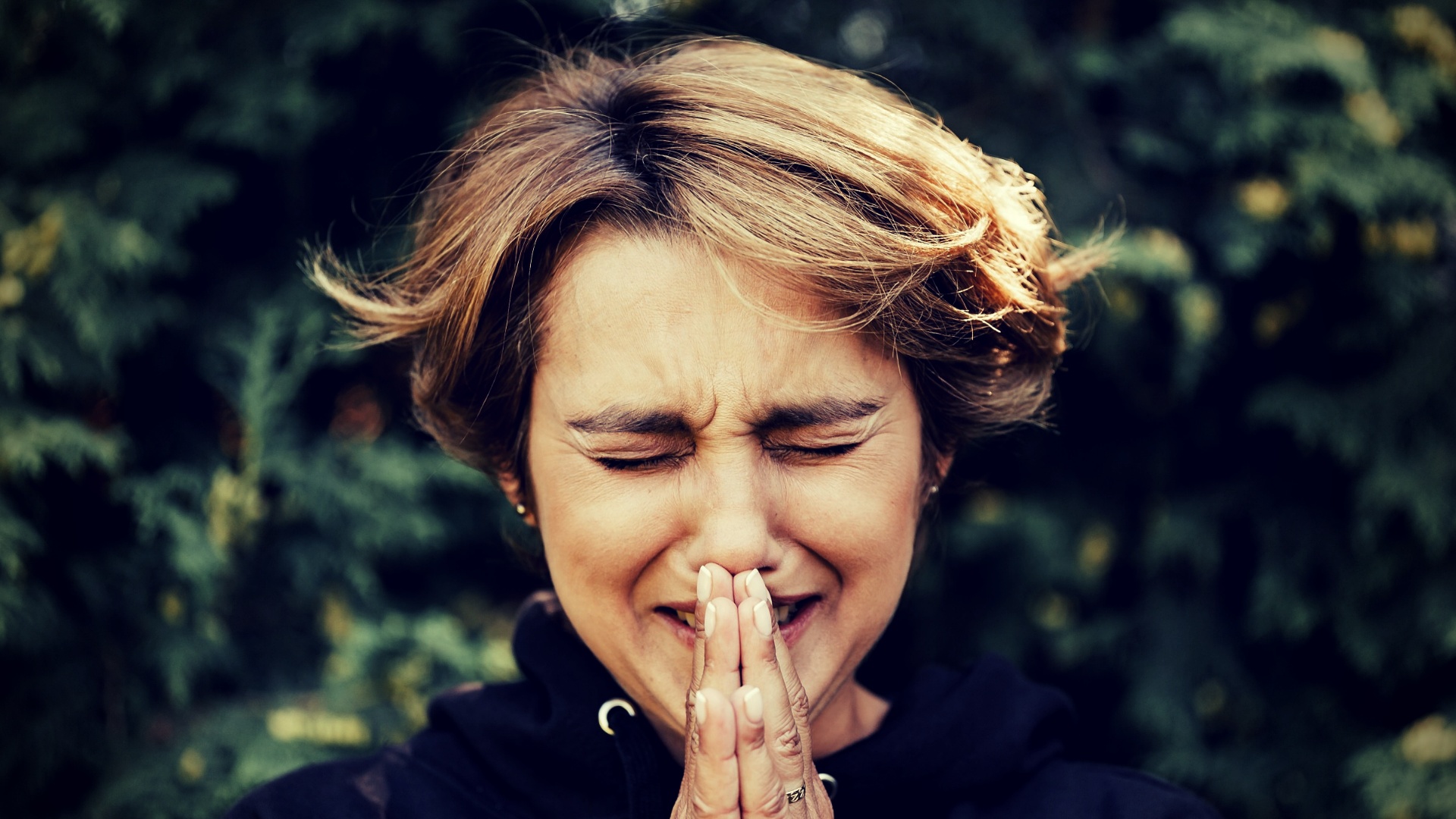
Conditions That Contribute to Low Estrogen Symptoms
Before going over each of these symptoms, we need to know the potential causes of these symptoms. For starters, estrogen is in large part produced in women through the ovaries.
This means that anything that has an impact on the ovaries will have an effect on estrogen production.
What are the things that can affect the ovaries? Here is a short list:
- Chronic kidney disease
- Too much exercise
- Turner syndrome
- Premature ovarian failure
- Anorexia and other eating disorders
- Genetic defects
- Problems with the pituitary gland
- Autoimmune conditions
- Impact of toxins on the body
These potential causes can affect women of any age. You don’t have to be 40 years old or near to that age to experience these things that will impact your ovaries and produce low estrogen symptoms.
Understanding the Low Estrogen Symptoms
Earlier we mentioned the following common symptoms of low estrogen. Note that these symptoms can also be caused by other conditions as well.
However, it is important to understand how each of these symptoms is related to low estrogen production. This will help you find an effective long-term solution that deals with the causes behind each symptom that you experience.
In the discussion below, we will go over the most common low estrogen symptoms so you can know the interventions that your doctor may suggest.
Symptom #1–Increased Frequency of Urinary Tract Infection (UTI)
When the estrogen production goes down, one of its direct effects is that the lining of the urethra gets thinner. The urethra is the duct in a woman’s body where urine passes through from the bladder.
One of the roles of estrogen is to maintain the lining of the urethra. In simple terms, it helps the urethra do its job.
This lining in the urethra is responsible for keeping non-beneficial bacteria away. When the production of estrogen is low, this protective lining tends to get thinner which gives bad bacteria plenty of chances to invade.
When there are too much harmful bacteria along the urinary tract, a urinary tract infection occurs.
Another thing that estrogen does is that it stimulates and supports the production and growth of lactobacilli, a beneficial type of bacteria.
When the urinary tract has enough lactobacilli, a balanced pH level is achieved. This balance in the pH levels contribute to the prevention of urinary tract infections.
Symptom #2–Weight Gain
TThere are many factors behind weight gain in women. However, this is also a special concern for women who are perimenopause and menopause.
Studies show that having low estrogen production may add to weight gain in women. Remember that estrogen is one of the hormones that help regulate the fat that is stored in the body.
Having enough estrogen in the body usually brings about better weight management. However, during menopause and perimenopause, women tend to store more fat in certain areas such as the hips and the thighs.
This phenomenon has been observed as women’s estrogen levels are seen to take a dip later in life. One study shows that during mid-life, women tend to experience an increase in abdominal fat, which is about the time when their estrogen levels start to decrease.
Even though weight gain can be caused by a poor diet and sedentary lifestyle, it might be a good idea for older women to check with their doctor. This is just to see if their reduced estrogen production could be a factor in their weight gain.
Symptom #3–Hot Flashes
Hot flashes are one of the vasomotor symptoms that are characteristic of menopause or early menopause. Another related symptom that also occurs during that time is night sweats.
What are hot flashes? A hot flash comes as a feeling of warmth or extreme warmth that you experience in your upper body.
It usually feels really hot around the chest, neck, and face. You may even visibly see your skin blush or redden when it occurs.
A hot flash can also cause sweating, which is why menopausal women may also experience night sweats along with hot flashes.
Note that researchers do not know exactly how hot flashes work. However, one plausible explanation is the fact that estrogen impacts certain glands of the body.
Estrogen has a direct effect on the hypothalamus. This gland is responsible for regulating the body’s temperature.
When estrogen levels are reduced, the hypothalamus tends to overreact and cause hot flashes and night sweating.
In effect, it senses that your body is too hot even though it really isn’t. This gland then tells your body to release heat ergo you feel an immediate albeit brief moment of intense warmth.
Note that hot flashes and night sweats affect around 85% of women around the age of 50 and above.
The frequency of hot flashes experienced by women varies from one person to the other. Some women experience it only several times each year while there are those who have hot flashes as much as 20 times each day.

Symptom #4–Depression and Mood Swings
Another common symptom that menopausal women experience is depression. This state can be caused in older women by a number of things such as aging, infertility, sexuality, body image, and hormonal fluctuations.
According to Harvard researchers, lower levels of estrogen may lead to mood swings and other related disorders. It is further suggested that estrogen calms down the fear response.
The same report also suggests that the higher a woman’s estrogen levels are the less likely they are to get emotional, startled, afraid, or anxious.
A combination of several causes may cause distress in women and may potentially result in mood swings and depression. It may be characterized as a depressed mood, a form of clinical depression, or a symptom of an underlying cause or condition.
Remember that the hormones of the body can affect one’s mood and mental state. They may be the cause behind moments like feeling really happy highs one time and then quickly transition into tear jerking low points in the next moment.
Experts believe that ovarian hormones such as estrogen have a direct impact on a woman’s mood. Add to that the fact that hot flashes may reduce sleep due to the discomfort a woman may experience.
Fluctuating hormone levels plus lack of sleep doesn’t make Jill a happy girl. Note that this period of depression can be experienced by women during and even after perimenopause.
Symptom #5–Painful Sex Due to Lack of Vaginal Lubrication
Painful intercou