Posted on

Breast Implant Removal: Key Things You Must Know Before Going into Surgery

Want to remove your breast implants? Here are the key things you must know and understand about breast implant removal before booking an appointment.

Like any other surgery, there will be a few things to do before and after the procedure. This includes steps to reduce chances for post-surgical infection.
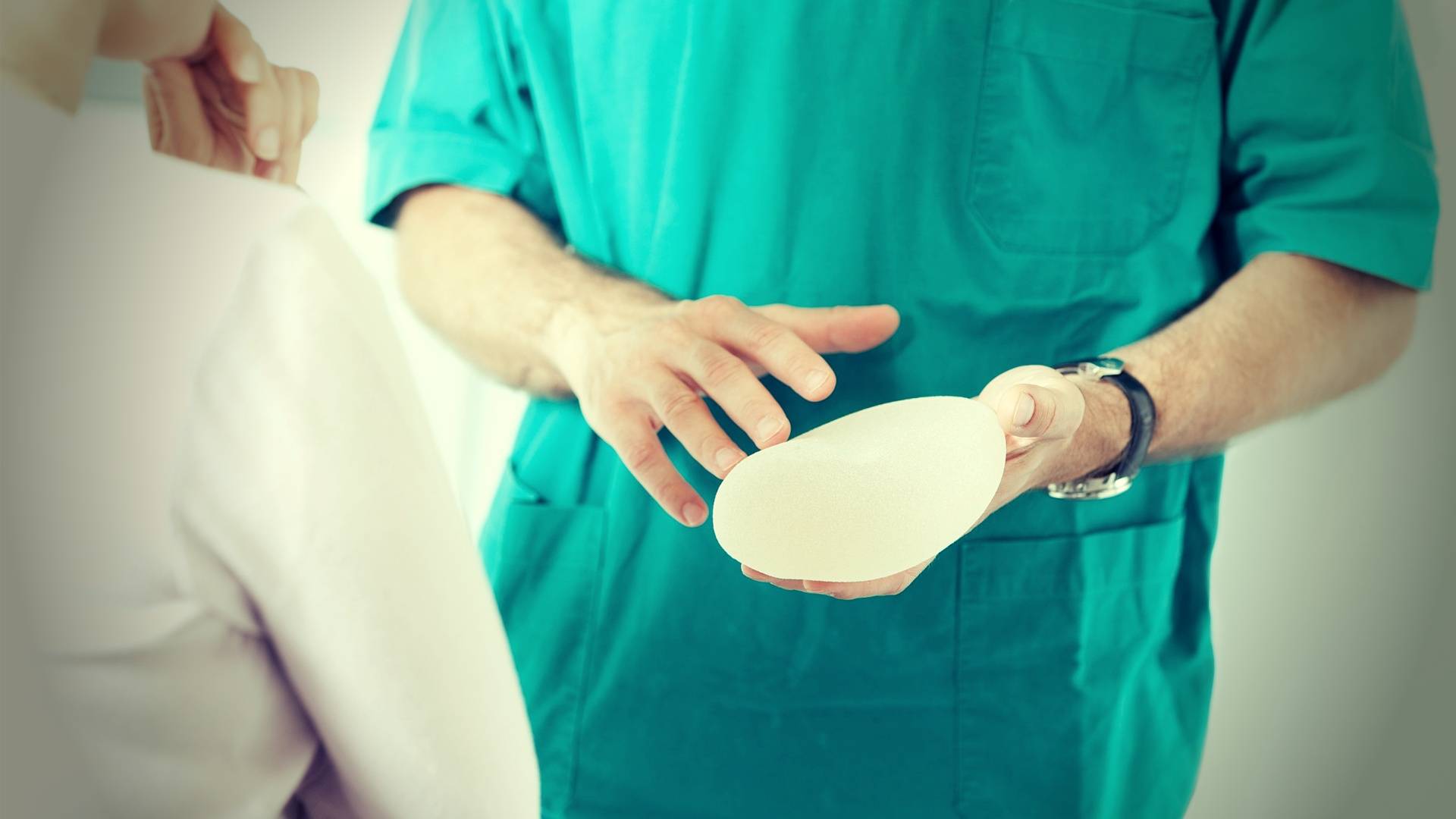
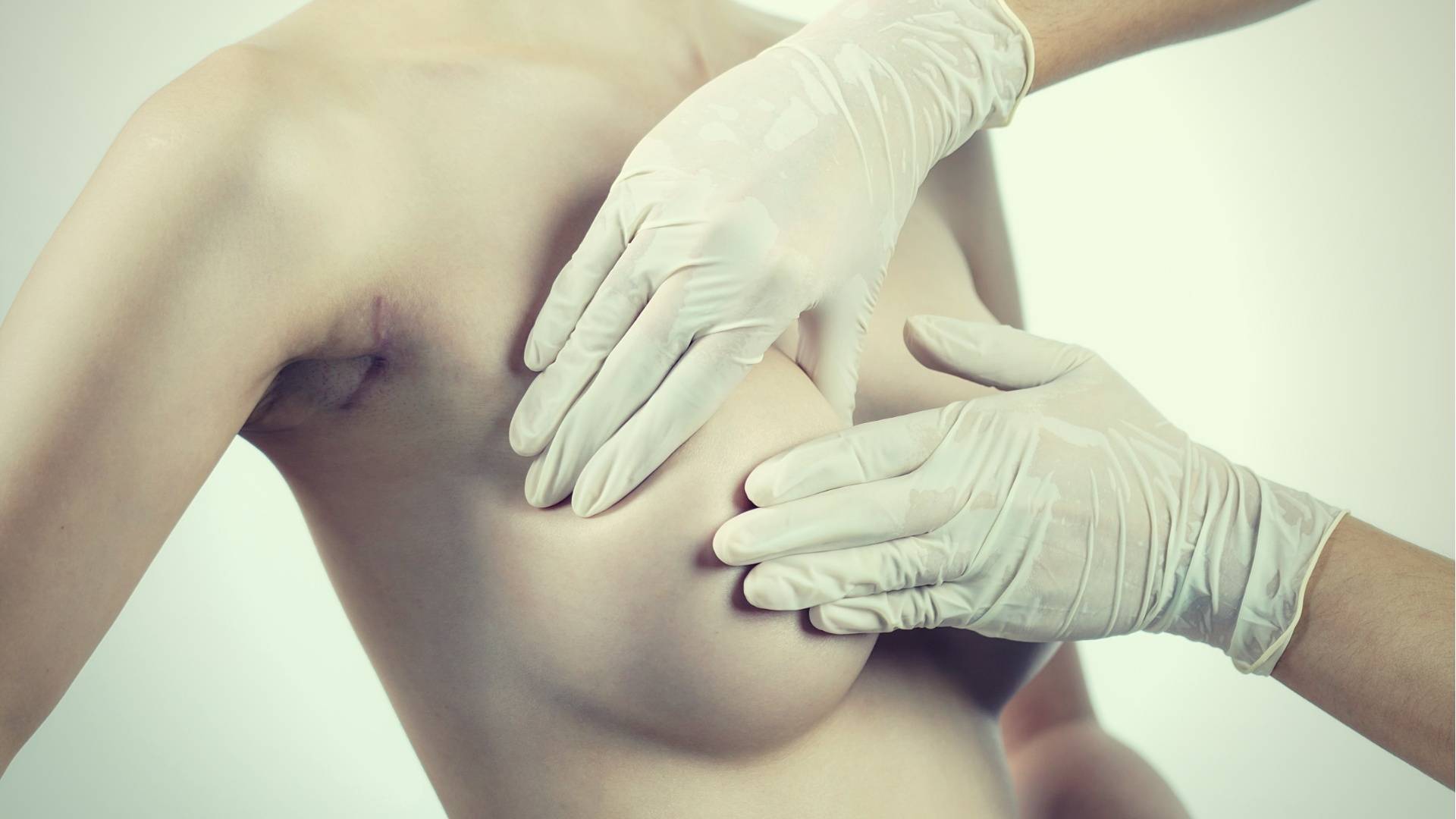
Breast implants are removed through surgery only. You will have to undergo a surgical process that incudes going under anesthesia, getting an incision and having a surgical wound to tend to after.

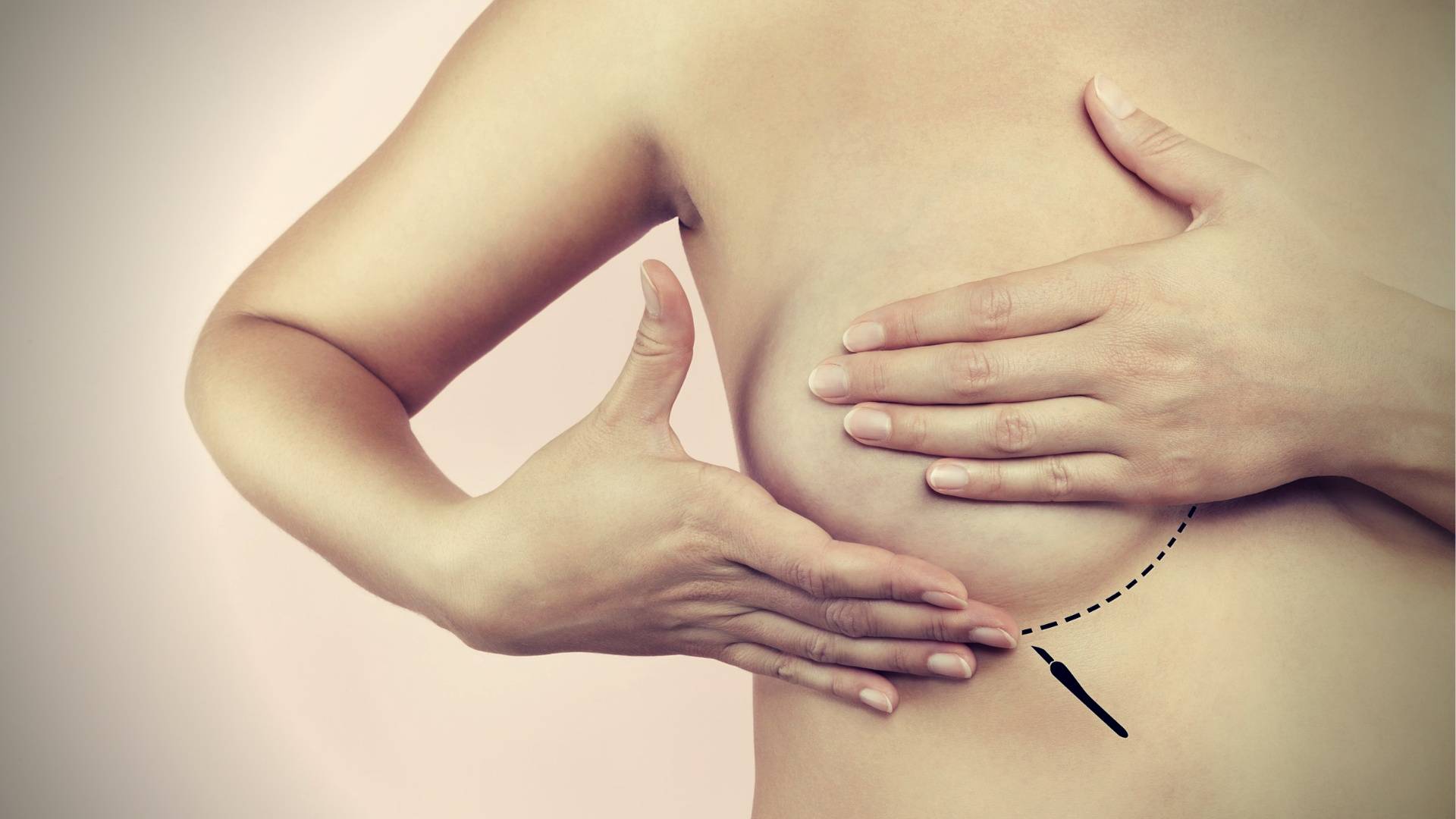
The surgeon will make an incision along the inframammary fold (lower fold of the breast) or around the areola, depending on the approach appropriate for the client. The implant will then be removed.

Sometimes, the surgeon will remove the breast capsule, too. This may be necessary when scar tissue or necrosis are evident or highly likely to develop after the removal of the implants.

Like any other surgery, there will be a few things to do before and after the procedure. This includes steps to reduce chances for post-surgical infection.

Common Reasons for Breast Implant Removal

Among the key reasons for having breast implants removed is personal decision and medical/health reason.

Some people change their minds about their breast implants. This may be because they no longer get the satisfaction they once felt when they got the implants.

Some may choose to have the implants removed in order to change the implant size.

Some choose to undergo breast implant removal for health or medical reasons. The implant may have developed complications such as deflation and implant rupture.

Other complications that might require implant removal include:

  • Calcium buildup around the implants
  • Bleeding
  • Infection
  • Development of dead tissues (necrosis) surrounding the implant

Pros of Breast Implant Removal

If undergoing implant removal for health or medical reasons, obvious pros would be the relief of any symptoms. Examples include elimination of pain and other associated complaints related to infection, rupture and/or bleeding.

Other benefits of breast implant removal includes:

  • Reduced anxiety about the possibility of rupture or infection
  • Better breast imaging results, such as better and more accurate mammogram results
  • Irritability
  • No more added cost for regular MRIs (required diagnostic procedure every 2 years to detect implant rupture)
  • Eliminates risk for implant complications such as breast pain
  • Eliminates risk/resolves scar tissue formation within the breast structure

Some women who had implant removal also reported improved self-image. They feel that after removal, people see them for who they are and not focused on their breast size.

Cons of Breast Implant Removal

While the surgical procedure may benefit the person’s health in most cases, there are a few risks involved. The procedure, like other surgeries post possible complications such as:

  • Infection, usually during the healing period of the surgical wound
  • Bleeding, with blood accumulating within the space left after the breast implants were removed
  • Seroma or fluid accumulation within the breast area where the implant used to be
  • Scarring of the incision site, which can lead to unsightly breast appearance
  • Fat necrosis
  • Changes in sensation around the nipple and/or areola, including numbness
  • Poor wound healing

The cons of the procedure also includes the associated risks when undergoing anesthetic procedure. This may include:

  • Headache
  • Backache
  • Vomiting
  • Nausea
  • Pain
  • Teeth damage

Some may be serious and potentially life threatening such as:

  • Hematoma
  • Anaphylaxis
  • Hypothermia

These can be due to man factors during the surgery, such as an adverse reaction to the anesthetic agent used.

The removal of the implant results in a seemingly “empty” space in the breast area. This can lead to sagging of the skin over the breasts.

This can lead to unflattering breast appearance. This can also contribute to loss of self-confidence.
What to Expect From the Surgical Procedure?

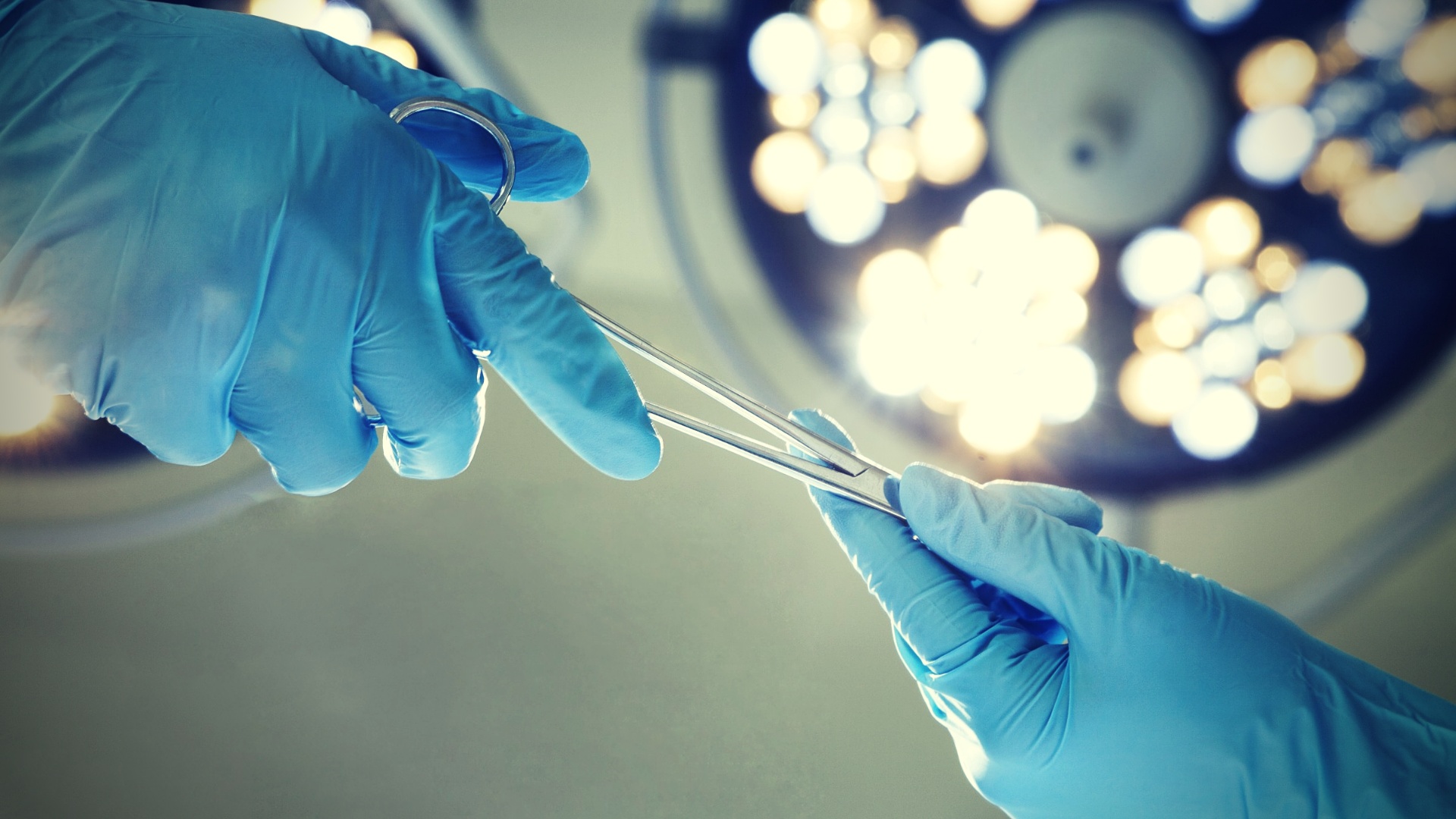
The entire implant removal procedure consists of 4 phases. It starts with the induction of anesthesia, incision, removal of implant, and wound closure.

Sometimes, follow up surgeries may be necessary. This may usually be to treat complications following implant removal.

Examples of additional surgeries include:

  • Hematoma drainage – removal of blood that accumulates where the implant used to be
  • Infection- possibly from poor wound healing or complications during the post-surgical period
  • Removal of breast capsule or release of scar tissue, which might have formed in the area surrounding the implant
  • Wound or scar revision- to improve the appearance of the surgical area

Are There Alternatives to Breast Implants?

Enhancing breast size and appearance is quick and highly effective with implants. However, there are many things that can happen which might prompt breast implant removal.

Going through one surgery for putting the implants can already be an anxiety-filled situation. Getting another can even be more nerve-wracking.

There are many alternative ways to improving breast size without surgery. These natural alternatives offer less anxiety about having implants that can rupture at any moment.

These alternatives are also less expensive than surgeries. However, the effects are not as instant as breast enhancement surgery.

Another potential issue with non-surgical breast enhancement options is choosing the right product.

What ingredient/s to look for? What type of product to use- pills, creams, serums? Are the most expensive ones the most effective?

One of the most studied and effective ingredients in many successful breast enhancement products in the market is phytoestrogens.

Phytoestrogens- What and How Does It Work?

Basically, these are estrogen-like compounds found in plants. When eaten, it can help promote functions similar to what the body’s natural estrogen does.

This includes promoting breast enlargement.

These phytoestrogens get absorbed into the body. These, then bind to receptors, such as those within the breast tissues.

Once bound, these phytoestrogen can help in promoting larger breast size. It can also have many other benefits such as:

  • Improvement of health status of the cardiovascular system
  • Improvement of health of the bone structure
  • Improvement of some menopausal symptoms such as reduced frequency of hot flushes

Phytoestrogens are found in many kinds of plant-based foods. The list includes:

  • Legumes, such as soy beans
  • Some types of grains
  • Fruits
  • Vegetables

Aren’t Phytoestrogens Dangerous to Health?

There are a few claims that consuming phytoestrogens can be bad for health. Some say these plant compounds are linked to higher risks for developing certain health conditions such as breast cancer.

Not quite. A lot of current research found that the risks linked to phytoestrogen depends on how it is consumed, for what, by whom, and from what.

The key here is to keep consumption to moderate levels. Experts also advice taking phytoestrogens from real food.
Pueraria Mirifica- All-Natural Solution to Breast Enhancement

One of the best, safe and effective phytoestrogen sources for natural breast enhancement is Pueraria mirifica. This plant has an active ingredient called deoxymiroestrol.

This is a plant that grows naturally in Southeast Asia, particularly in Thailand and Burma. It has a long history of use for relief of various reproductive issues affecting both men and women.

Pueraria uses among women are often form improvement of the following conditions:

  • Vaginal dryness
  • Low libido
  • Climax symptoms
  • Pain during intercourse
  • Hot flashes
  • Osteoporosis
  • High cholesterol
  • Mood swings

Some also found that phytoestrogen benefits from Pueraria may also include:

  • Enhance women’s breast size
  • Support weight loss
  • Prevent certain conditions such as cancer, diabetes and heart disease
  • Better antioxidant activity
  • Improved natural elasticity of the skin and hydration
  • Delay in the appearance of symptoms of skin aging
  • Improvement in the appearance of wrinkles and large pores

How to Take Pueraria Mirifica

This effective phytoestrogen can be taken in various forms. The form depends on the effect you wish to achieve.

For natural breast size enhancement, experts recommend taking Pueraria either in serum or in cream form. This way, the compound is applied directly over the breast area for greater absorption and faster results.

Serum or cream?

Both can deliver amazing results. However, it is observed that using Pueraria serums give results that are bigger, more satisfying and faster.

Manufacturers also recommend using topical Pueraria twice a day. Apply the serum or cream over the breast area. Massage for 3-5 minutes in order to promote faster and greater absorption.

This way, the active components are directly applied to the breast tissues for faster results. This direct application also helps to apply higher concentrations to achieve better results.

There are many alternative ways to improving breast size without surgery. These natural alternatives offer less anxiety about having implants that can rupture at any moment.

Conclusion

Breast enhancement can have many benefits. It can help improve breast appearance and boost self-confidence.

There are many ways to improve breast size. The most effective and with the fastest, guaranteed results is through surgical breast implants procedure.

However, this method can pose many additional health risks. Some of these complications can even become life-threatening.

Going all-natural is a better alternative. However, many products in the market fail to deliver results.

The key is to know what to look for and how to safely use the product. The product, especially its main ingredient, should have good scientific evidence for its claims.

One good product is Pueraria mirifica. This is a safe and effective product that can naturally enhance breast size.

With Pueraria, results are achieved with the cost and risks of surgery. It also does not pose any potential complications that breast implants come with.

If you want to avoid having to face breast implant removal procedures in the future but want a bigger and better-looking breasts, choose Pueraria mirifica.

Posted on

Vitamin H for Healthy Hair, Strong Nails, and Glowing Skin: Does It Work?

Have you ever heard of vitamin H? It boosts the health of your nails and hair, converts the food you eat into energy, and it also plays a lot of other roles in your metabolism.

There claims that getting more of Vitamin H can help promote healthy hair and nails, have healthier babies, and maybe regulate blood sugar a lot better. This guide will go through these claims and which foods you should be eating to get enough biotin or vitamin H.

Vitamin H is not some kind of new vitamin that medical experts have recently discovered. You may already have been taking some of it without knowing.

It is actually known as biotin and is sometimes referred to as either vitamin B7 or B8. Yes, it’s one of those B complex vitamins.

It’s called by some other name in countries where vitamin B7 is used to refer to inositol, the carbocyclic sugar that can be found in the brain.

It is also known as coenzyme R.

Why do health experts add the “H”? The H stands for the German Haar und Haut, which literally translates to hair and skin, which benefits directly from this type of vitamin.

It is an important vitamin for the growth and development of infants in their embryonic stage. That is why it is a crucial vitamin for pregnant mothers.

A lot of people get their vitamin H by just eating a healthy diet. But there might be times when you will need to supplement with it.

There claims that getting more of this vitamin can help promote healthy hair and nails, have healthier babies, and maybe regulate blood sugar a lot better. This guide will go through these claims and which foods you should be eating to get enough biotin or vitamin H.

Biotin Deficiency

One of the biggest reasons why you should get more vitamin H is when you have a biotin deficiency or vitamin H deficiency. However, it should be pointed out that this type of deficiency is rare at best.

Health experts even point out that there isn’t enough data to support the idea of supplementing with biotin.

However, just to give you a heads up, here are the symptoms of biotin deficiency:

  • Drop in urinary biotin
  • Developmental delay in infants
  • Lethargy
  • Hypotonia
  • Neurological signs such as hallucinations and depression
  • Brittle nails
  • Skin infections
  • Aciduria or abnormally high acid content in urine
  • Ketolactic acidosis
  • Conjunctivitis
  • Red scaly rash around body openings
  • Loss of bodily hair

Note that these signs and symptoms usually appear gradually. It’s not like you see one or two of the symptoms above and you can already tell that you have biotin deficiency.

However, if you do suspect that you may be vitamin H deficient then please consult with your doctor to make an accurate diagnosis.

Who is At Risk for Biotin Deficiency?

There are people who have a higher risk of a deficiency in biotin. Please note the following conditions:

• Those with an In-Born Biotinidase Deficiency

Some children are born with a condition where their bodies aren’t able to release biotin naturally in their body.

If this condition is left untreated it will produce the symptoms on the skin mentioned above. It can also cause neurological disorders mentioned earlier.

When this deficiency is prolonged it may even lead to a coma or worse, death.

Note that all newborn children in the United States and many countries around the world have screening programs that include biotin deficiency.

• Pregnant Women and Those Who Are Already Breastfeeding

Breastfeeding and pregnant women are also at risk for developing a deficiency in vitamin H. Health experts have noted that lactating women may experience a drop in biotin levels, which is why some doctors may recommend supplements.

• Those Who Have Chronic Alcohol Intake

People with chronic alcoholism are also at risk for lowered vitamin H levels. Too much alcohol reduces biotin absorption in the body.

Experts note that people with chronic alcoholism have very low plasma biotin concentrations.

Vitamin H and Healthy Hair

One particular interest in biotin or vitamin H is in the fact that it may help to promote healthy hair. There are people who take supplements to increase their intake in the hopes of beating hair loss and a receding hairline.

The reason behind this is in the fact that the hair is made up of keratin (and also the nails and skin as well). When you have sufficient biotin in your diet, your keratin levels tend to improve.

To date, there are only a few medical studies done on the effects of biotin on the hair. But the results from these studies are positive and more research is needed.

According to a study back in 2012, women were given vitamin H supplements. After 90 and 180 days, it was observed that study participants experienced better quality and improved hair growth.

In a study a few years later in 2015, women who also experienced varying levels of hair thinning were also given biotin supplements. Another group was given a placebo.

They were given two doses and the study lasted for 90 days. Researchers noted that the participants who took the actual biotin supplements had improved hair growth in the areas of their head were there was hair thinning.

They also noted that these women also shed less hair every time they showered. Of course, more studies are required to confirm these results but they are definitely very promising.

Vitamin H and Nail Care

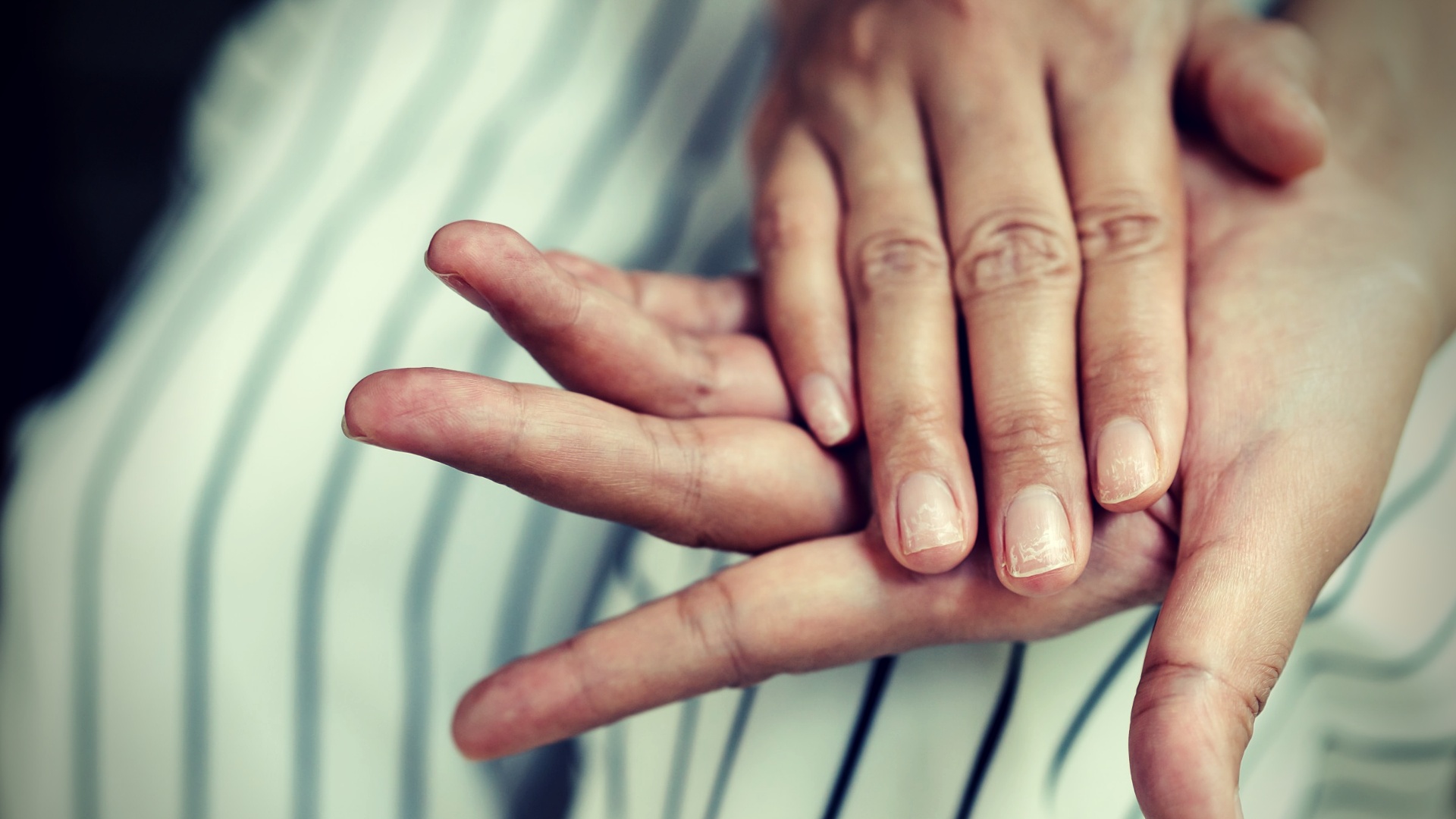
One of the benefits of biotin or vitamin H is that it promotes the metabolism of amino acids that are used in protein building. This is an essential characteristic for nail growth.

People who have brittle fingernails may benefit from taking more foods that are rich in biotin.

According to another study, patients experienced an increase in nail plate thickness by as much as 25% after taking vitamin H supplements over a period of 6 months.

Studies also show that within a 6 or 7 month treatment, brittle fingernail symptoms may improve as much as 63%. Study participants were given 2.5 mg doses of vitamin H supplements.

Now, despite the doses mentioned in these studies, it should be noted that there is currently no recommended dietary allowance for this vitamin. What we have is an AI or a recommended adequate intake for adults, which is about 30 mcg each day.

Vitamin H and Healthy Skin

One of the symptoms of biotin deficiency is scaly red rash on the skin. This is one of the signs of the benefits of biotin—without it you may develop certain skin conditions.

Very few studies have been performed on the skin benefits of vitamin H. Nevertheless, what we can infer from the research is that it has an essential function in fat metabolism.

Better lipid or fat metabolism is essential to maintaining healthy skin.

Other Health Benefits

Apart from the skin, nail, and hair benefits, vitamin H also have other benefits as well. Here are some of those potential benefits:

1. Potential MS Treatment

MS or multiple sclerosis is classified as an autoimmune disease. This condition damages the myelin, the protective covering of the nerves in the eyes, spinal cord, and nerve fibers found in the brain.

According to one study, supplementing with biotin may help to reverse the progression of MS. In the long run, it is seen by researchers as a potential treatment that may help prevent chronic disability in MS patients.

In the aforementioned study, participants were given 300 mg of vitamin H.

2. Reduce Blood Sugar Levels

Another potential benefit of this soluble B complex vitamin is that it may help reduce blood sugar levels for diabetic patients.

Remember that diabetes is a condition where one has impaired insulin function and elevated blood sugar levels.

Research suggests that supplementing with vitamin H may help bring down blood sugar levels. It may help regulate blood glucose in these patients.

In other studies, researchers used a combination of biotin and chromium picolinate to bring down blood sugar levels.

Several small studies suggest that supplementing with this vitamin may help people better regulate blood sugar levels. Study participants were given 9 mg to 15 mg per day for up to a month.

These studies show that biotin may help to reduce fasting blood sugar levels down by 45%.

3. Support for Pregnant and Breastfeeding Women

Researchers estimate that around 50% of women in the US may have experienced some form of biotin deficiency when they got pregnant.

Note that this drop in biotin levels can impact a woman’s health but still won’t show any noticeable symptoms.

Researchers believe that this drop in vitamin H levels is due to the fact that the body tends to breakdown biotin faster in the lactation process, so that these women can produce more breast milk.

This is why doctors may prescribe biotin supplements to pregnant and nursing mothers.

Note that modern food processing techniques can reduce the efficacy of biotin. That is why it is recommended that you get your vitamin H from natural food sources instead.

Best Sources of Vitamin H

Note that modern food processing techniques can reduce the efficacy of biotin. That is why it is recommended that you get your vitamin H from natural food sources instead.

Some of the best sources of this vitamin include the following:

  • Mushrooms
  • Egg yolks
  • Bananas
  • Kidneys, livers, and other organ meats
  • Cauliflower
  • Nuts
  • Whole grains
  • Nut butters
  • Legumes and soybeans

Vitamin H are essential for normal body function. Your best sources are those from a balanced diet but when prescribed by a doctor, it may be necessary to take biotin supplements as a treatment for certain conditions.

Posted on

Delestrogen Health Effects, Risks, and Natural Alternatives

Are you looking for information on Delestrogen? Women become interested in this drug as a treatment for menopause symptoms but that is not the only benefit that you may get from this medication.

Take note that this medication may also be prescribed to men as a treatment for prostate cancer.

Delestrogen is an estrogen medication. Simply put, it contains the female hormone estrogen and is used for treating low levels of this hormone.

The generic name of this drug is estradiol valerate. This is an injectable and it comes in an oil solution.

Benefits of Using Delestrogen

This long acting estrogen can actually be used by men and women. Some of the symptoms that can be treated using this medication include the following:

  • Irritation
  • Hot flashes
  • Vaginal dryness
  • Depression
  • Headaches
  • Migraine
  • Breast tenderness
  • Dysfunctional uterine bleeding
  • Mood swings
  • Absent or irregular periods
  • Urinary tract infections (UTI)
  • Lack of or reduced amounts of vaginal lubrication

Take note that this medication may also be prescribed to men as a treatment for prostate cancer. Remember that this estrogen injectable only addresses the symptoms of this cancer and not the disease itself.

FDA Approved Uses

Delestrogen is approved in the United States for a variety of ailments and medical conditions. For instance, it is approved as part of the treatment of hypogonadism, which is a condition where the gonads have diminished function.

Hypoestrogenism (i.e. estrogen deficiency) can be caused in women by this medical condition. Castration in women can also cause this deficiency.

Women who experience ovarian failure can also have hypoestrogenism.

This estrogen medication is also available in tablet or capsule form in other countries where it is approved for use. The oral forms of this estrogen also works as a treatment for the same symptoms mentioned above.

Dosage Information

The treatment period when using this estradiol treatment ranges from three to six months. Different dosages and treatment intervals will vary depending on various conditions.

The usual dosage prescribed by doctors is 10 to 20 mg. and administered once for every four weeks. This is the usual dosage amount for treating women who experience menopausal symptoms.

When used as a treatment for dysfunctional uterine bleeding, doctors will usually prescribe 10 to 20 mg doses of Delestrogen. It is useful in reducing the bleeding in women.

When used as a treatment for prostate cancer in men, doctors will usually prescribe this estrogen medication at 30 mg doses (sometimes higher). The treatment usually lasts for several weeks.

Note that the doses are often administered every one to two weeks. Again, this drug is administered via intramuscular injection.

It is also prescribed to transgender women as a treatment for various related conditions. The dosages this time can be vary from 5 to 20 mg. (it can also go up to 40 mg.) depending on conditions determined by your physician.

Side Effects

Health experts have noted that the side effects are associated with the intake of this estradiol medication.

These symptoms are the same as with that of estradiol. The following are some of the side effects observed by health experts and researchers:

  • Melasma
  • Thromboembolism
  • Headaches
  • Edema
  • Bloating
  • Nausea
  • Low blood lipid profile
  • Breast enlargement
  • Increased in insulin resistance
  • Breast tenderness
  • Increased prolactin levels

When you experience these side effects, please stop taking Delestrogen and call your doctor. Take note also that it is possible to overdose on this estrogen medication.

An overdose can occur when very high doses are prescribed to you. An example of which is one dose of 40 to 100 mg per week.

However, it has also been noted that there are usually no signs of toxicity when you experience a potential overdose.

The symptoms of overdose include the following:

  • Leg cramps
  • Legs feeling heavy
  • Vaginal discharge
  • Breast tenderness
  • Increased water retention
  • Weight increase
  • Bloating
  • Vomiting
  • Nausea

To reduce the overdose symptoms, the first thing you should do is to reduce the dosage you’re taking. When you suspect that you have an OD, you must contact your doctor immediately.

Natural Alternatives

Delestrogen should only be used after obtaining competent medical advice. Improper use of this estradiol medication entails certain serious risks.

Its use may put you at risk for endometrial cancer. It also increases your risk pulmonary emboli, invasive breast cancer, and stroke.

Experts also report that it may also increase one’s risk for deep vein thrombosis. This condition has been observed in postmenstrual women.

Researchers have also observed that some women ages 65 and above have increased risk of developing dementia when taking this medication.

Because of these potential health risks, you will need the competent advice from your doctor before using this medication.

Your doctor will usually prescribe the lowest effective dose for your condition. Medical experts will also prescribe the shortest treatment period possible.

Work with your doctor to find an acceptable treatment approach using this medication.

Dozens of studies support the use of Pueraria Mirifica as a natural treatment for menopause symptoms and a potential alternative for Delestrogen.

Natural Alternative

If you would like to avoid the side effects or if you are more interested in using a natural approach to treatment, the good news is that there are options available to you.

One natural and effective alternative solution that we can recommend is the use of phytoestrogens found in Pueraria Mirifica.

P. Mirifica is an herb that grows naturally in Thailand and other parts of Asia. It is locally known as kwao krua and others.

This herb is rich in anti-oxidants and it promotes women’s health. It has been used to treat a variety of conditions such as:

Take note that the symptoms and conditions that Pueraria Mirifica is effective for are related to menopause. Here are some of the other benefits that can be gained by using this herbal treatment:

Dozens of studies support the use of Pueraria Mirifica as a natural treatment for menopause symptoms and a potential alternative for Delestrogen. If you’re looking for high quality Pueraria Mirifica products, we recommend those from Mirifica Science.

Posted on

Cellulite Massager for Smooth and Glowing Skin: How to Use and What to Expect

Cellulite can be a big frustration for women regardless of their age. It’s characterized by a dimpling on the surface of the skin – a lot like how the surface of an orange looks like. However, this “dimpling” only happens when the affected area is pinched or some pressure is placed on it.

The condition often occurs along the thigh and buttocks area. Note though that while women are popular for worrying about cellulite, the condition can occur on both genders. It’s a perfectly harmless condition and people shouldn’t have any problem doing daily tasks even with cellulite.

Cellulite massagers are the primary treatment being advertised today for cellulite removal. The cellulite will break down, leaving you with a smooth and even skin.

The causes of cellulite isn’t exactly known – but genetics plays a huge role in their appearance. It often appears on skin surfaces that accumulate too much fat cells, pushing up into the skin while an opposing force of fibrous connective cords pulls downwards. As a result, you get a dimpling outer layer of the skin.

Note though that since genetics can also play a role in cellulite appearance, even fit people can have this issue. Since there are no associated health conditions with cellulite, there’s really no need to treat the problem. Of course, those who want to remove them for cosmetic reasons can try different products to make this possible.

Using Cellulite Massagers to Help Reduce Cellulites

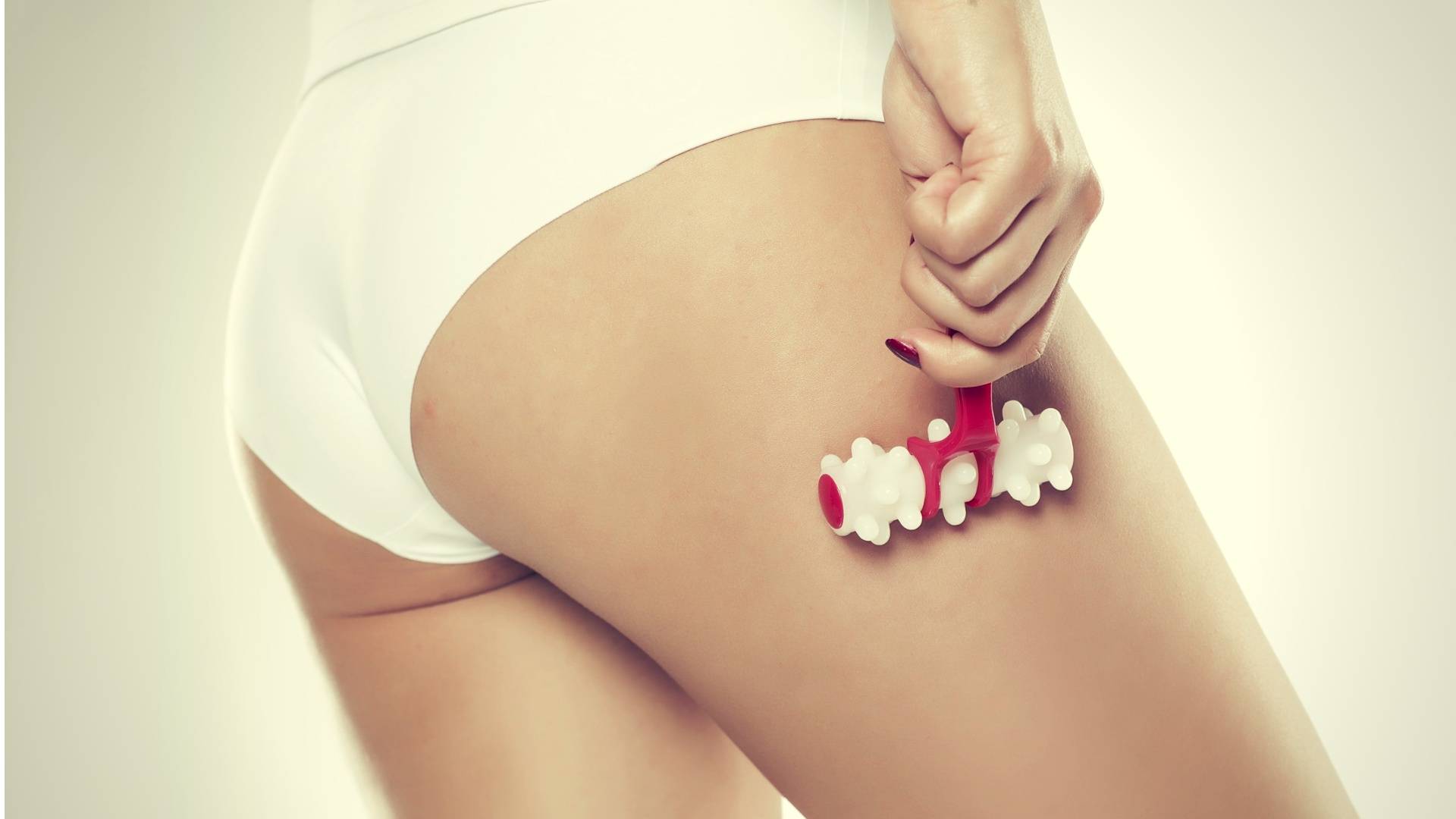
Cellulite massagers are the primary treatment being advertised today for cellulite removal. These massagers work by breaking up the fat and promoting blood flow to the affected area. Allegedly, if you do this often enough – the cellulite will break down, leaving you with a smooth and even skin.

Massagers come in different forms. There comes the manual types such as foam rollers which move around the surface of the skin. Unfortunately, the American Council on Exercises has declared that the use of foam rollers don’t really help with cellulite appearance.

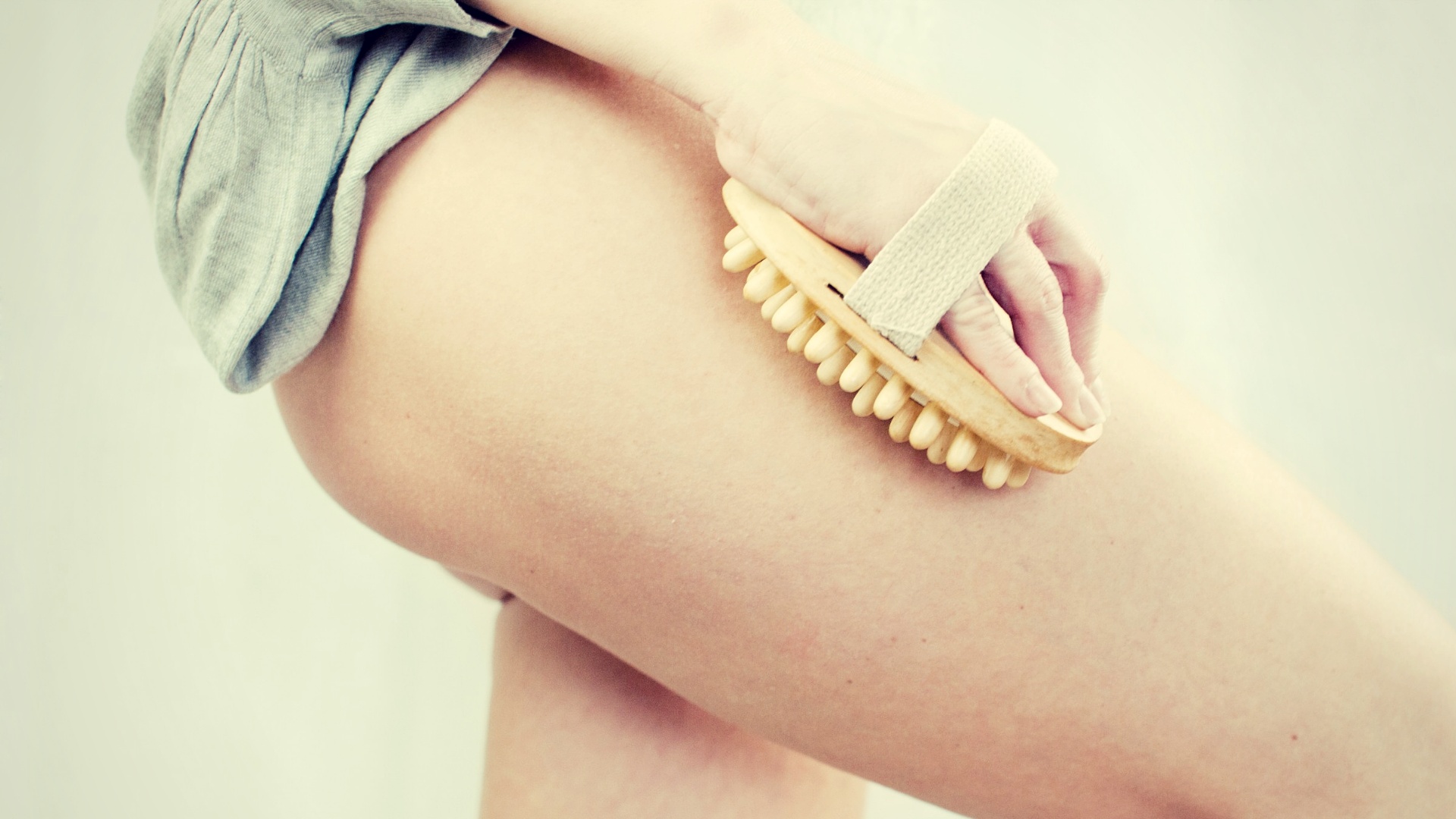
A third method for cellulite removal would be dry brushing. With this method, you take a brush and use it on the affected area for a few minutes each day. Like with electric massagers, this is supposed to shift the fat around and promote blood flow to create even skin. Unfortunately, there’s also no verifiable proof that dry brushing really does help with cellulite removal.

There’s also the electronic type which vibrates and glides over the surface of the skin. This is by far the most popular one because of its ease of use. Another well-known method is cupping which can drain the body of fluids and therefore improve the appearance of cellulite in the body.

Do Cellulite Massagers Work?

There’s no solid research that verifies the effectiveness of cellulite massagers to help with cellulite. Although there’s a small sample of people who says that it works, an extensive study still needs to be done before cellulite massagers can be recommended by the medical community. If combined with other cellulite treatments however, the chances of eradicating cellulite becomes more promising.

For example, the introduction of phytoestrogens can do so much in helping control and minimize cellulite occurrences. This compound is derived from plants and manages to mimic estrogen by preventing pre-menopausal systems and improving skin elasticity. In a study conducted regarding the compound, it was found that phytoestrogens help improve elastic fiber and collagen composition of the skin.

Phytoestrogens can be found in plants products and with a good diet, you can naturally introduce it in your body. There are also concentrated supplements that contain this compound such as the Pueraria Mirifica extract.

Using Pueraria Mirifica – Phytoestrogens for Cellulite Removal

Pueraria Mirifica is a cellulite removal serum as opposed to a cream skin product. This is an important classification of the item because serums typically have a lighter texture that’s closer to water. This makes it easier for the skin to absorb and doesn’t create a heavy thick mask on the surface.

The Pueraria Mirifica itself is a plant that comes from Thailand. It was put into focus after it was concluded that Asian citizens in general have lower menopausal symptoms as opposed to Western countries.

It has been traditionally used for all sorts of ailments including but not limited to: low libido, hot flashes, mood swings, high cholesterol, vaginal dryness, and osteoporosis. If you’ll notice – most of those situations are indicative of menopause – which is why they’re almost exclusively used by women. It works because Pueraria Mirifica contains phytoestrogens which is plant-based estrogen. Simply put, Pueraria Mirifica can mimic estrogen in the body and therefore help restore the balance.

But what does it have to do with cellulite removal? The substance contains phytoestrogens which is the most important compound in relation to cellulite removal.

Health Benefits of Pueraria Mirifica

It Can Help with Vaginal Health

When administered topically, Pueraria Mirifica can help keep the vaginal area healthy. Specifically, it prevents dryness of the vagina which may be caused by menopause or as a side effect of certain drugs. This conclusion was found after a study conducted on postmenopausal monkeys where a concentrated compound of the plant was topically applied onto the target area.

After 28 days of continued application, there was a noticeable improvement on the tissue health as well as its pH. A similar study was conducted, this time in postmenopausal women and the same happy results were noticed.

In the same study, the effectiveness of Pueraria Mirifica was compared with that of a topical estrogen product with results that estrogen performed slightly better in helping with vaginal dryness.

Helps with Skin Hydration

Keeping the skin hydrated is one of the secrets in keeping it flexible, plump, and wrinkle-free.

The use of Pueraria Mirifica in a study shows that when applied overtime, the product can help keep the skin hydrated, preventing wrinkles and all the other drawbacks that come with dry skin. This includes reduction of pore size and wrinkle depth as well as bring back the elasticity of the skin.

Note though that this study was conducted specifically on women who had estrogen deficiency which led to skin issues.

Reduce Symptoms Associated with Estrogen Deficiency

Estrogen deficiency occurs when a woman undergoes menopause, essentially affecting all the bodily functions associated with this particular hormone.

A study conducted on phytoestrogens administered through Pueraria Mirifica shows that something could be done to help alleviate some of the more common symptoms associated with the condition. This includes vaginal dryness, hot flashes, and a decrease in bone density.

The studies have been conducted on small human samples with promising results but more review needs to be conducted to narrow down a dosage requirement for a more standardized result.

Pueraria Mirifica is a cellulite removal serum. The substance contains phytoestrogens which is the most important compound in relation to cellulite removal.

Is it Safe? Dosage and Precautions

Pueraria Mirifica has been the subject of extensive studies providing that it is both safe and effective for treating certain health conditions, specifically when it comes to menopausal women.

Today, the product is being administered as a dietary supplement with an oral dosage of anywhere from 100mg to 1000mg. Since this is a supplement however, there are no set guidelines as to how much you should be taking in a single day. Typically, a dosage of just 50mg per day should be enough to benefit from the product.

There have been no reported side effects associated with the use of Pueraria Mirifica, making it a promising supplement to have in your home.

Posted on

Mini Facelift: Procedure, Recovery, Cost, and Alternatives

Have you heard of a mini facelift? If you’re curious about it and maybe you’re thinking about getting one but aren’t sure if it’s the best option for you then this short guide might just help.

The mini-facelift will get rid of the sagging and excess skin in your cheeks and jawline. The brow and eye lifts on the other hand will be used to remove the wrinkles.

It’s called a “mini” because it is a modified version of a regular or traditional facelift. In this modified version of a facelift, small incisions will be made.

These small incisions will be made along the hairline and that will allow plastic surgeons to correct any sagging that is occurring at the lower half of your face.

The procedure lifts not just the jawline but also the cheeks, and other underlying tissue and muscle for a more youthful look.

Results to Expect

Here are some of the biggest results that you should expect when you opt for this procedure:

  • Double chins removed
  • No more jowls
  • Removes marionette lines
  • Takes away mid-face sagging

How Does a Mini Facelift Work?

It is called a “facelift” simply because your surgeon will literally lift the sagging areas of your skin’s face. That is what the small incisions are for.

This also means that your doctor will be removing any excess skin in the process. This lifting and skin removal will give a tightened look to the facial skin.

It reduces the sagging and it may also get rid of some of the wrinkles in the affected areas. Note that the latter effect isn’t always guaranteed.

That is why in conjunction with a mini facelift, your cosmetic surgeon may also offer brow lifts and eye lifts as well. These two additional procedures will help to give you that anti-aging effect as it were.

The mini-facelift will get rid of the sagging and excess skin in your cheeks and jawline. The brow and eye lifts on the other hand will be used to remove the wrinkles.

The overall effect is that you get a younger looking skin.

Things to Remember

Remember that a mini facelift is a corrective procedure. The goal here is to remove sagging skin.

The focus of this cosmetic procedure is on the lower half of the face, so don’t expect it to get rid of fine lines and crow’s feet at the eyes.

This is an invasive procedure—it’s still an operation so you will go under the knife so to speak. Your surgeon will explain that a lot of incisions albeit small ones will be made.

Expected Recovery Time

Even though it is called a “mini” facelift, this procedure is still classified as a major operation. You will still need post-operative care after, which means you may have to take some pain medication.

Yes, a mini facelift is a smaller operation if you compare it to a traditional facelift. However, you will need about 2 weeks of rest and recovery after the procedure.

There will be bruising and expect to have some swelling in the affected areas. That is about 14 days off work, medication, and reduced outside interaction with other people.

Where Will the Incisions Be Made?

This is an important question because even though the incisions are small, these will be the areas where you will feel the most discomfort.

Cosmetic surgeons will generally tell you that the incisions will be made along your hairline. They will usually be made in the area above each of your ears.

This is also the area where the surgeon will drag the skin in an upward direction to correct any sagging. If you’re prone to scarring then these smaller incisions will be more beneficial to you since they will be hidden away in inconspicuous areas of your face.

Side Effects and Potential Risks

It was mentioned earlier that your doctor will prescribe pain medication after the procedure. Remember that even though the incisions that will be made are smaller and fewer than in a traditional facelift, they will still leave scars.

They are still cuts on your face and they will cause a certain amount of pain later on as you heal.

You should expect the following after the procedure:

  • Bruising
  • Swelling in the areas of the incisions
  • Varying degrees of pain depending on your level of pain tolerance

The next question is whether there is a chance that these small wounds can get infected or not. The short answer is that yes they can get infected.

That is why you should follow your doctor’s instructions as to how to care for the affected areas. That will include taking prescriptions and careful handling of the wounded areas.

When do you need to call your doctor? Watch out for these symptoms:

  • Nerve damage that causes any loss of feeling in the areas of your face
  • Fever and chills (potential sign of an infection)
  • Severe pain despite taking the medication that was prescribed to you
  • Increased swelling—you will get some swelling in the areas where the incisions were made but if the swelling gets worse, call your doctor
  • Bleeding and oozing in the stitched up areas near your ears

The Procedure Will Vary from One Doctor to Another

Even though there are standard procedures for a mini facelift some surgeons may still do things a bit differently than others. There are procedures and surgery techniques that your doctor may also offer.

Apart from skin tightening, which is the immediate effect of this procedure, cosmetic surgeons can also perform other techniques that can give you a more rejuvenated and naturally youthful look.

These newer techniques will help tighten the muscles underneath the skin. Another technique is to release facial ligaments and then re-suspending them into a more natural position.

Note that applying these techniques may also increase the cost of performing a mini facelift.

How Much Does It Cost?

According to the American Society of Plastic surgeons, the cost of a mini facelift is about the same as the average cost of regular or traditional facelift, which is around $7,600.

Of course some surgeons may offer a more affordable procedure by lowering its price. Some on the other hand may offer a few extras to ensure great results and thus increasing the cost of the procedure.

A safe estimate of the cost of this type of facelift will be within the range of $3,500 to $8,500.

Take note that this estimate is only for the actual facelift. It does not cover for the hospital bills, anesthetics, and medications that you will take after the operation.

You don’t have to make a one-time payment for everything. Doctors may also offer payment plans to make things easier for the patients.

Some may even give discounts to help offset some of the costs.

How to Prepare for this Procedure

Your doctor will brief you with regard to a mini facelift. This includes prepping you for the medical procedure.

Here are some of the reminders that your doctor might give you prior to the operation:

  • Avoid wearing makeup
  • You will need to undergo scheduled lab testing
  • Make arrangements for someone to drive you to and from the hospital
  • Tell your doctor all the medications that you are taking
  • Don’t wear jewelry during the day of the appointment
  • Tell your doctor about supplements and herbs you use
  • Apply skin care products that your doctor will recommend
  • Do not take any OTC medication prior to the operation
  • Stop smoking at least a month prior to the surgical operation

What to Expect After a Mini Facelift?

After the surgery, your doctor will inform you how long it will take for you to recover. Remember that it will at least be 2 weeks or longer depending on the outcome of the surgery.

You will be outfitted with drains or dressings (or maybe both). It will take at least ten days before the stitches or sutures can be removed.

Your doctor will also provide you with instructions along with prescriptions that you can take for the discomfort, pain, bruising, and swelling that may occur during your recovery.

It is important that your follow your doctor’s instructions during this time. It may include abstaining from certain food and drinks, alcohol, certain types of medication, and others.

Your doctor will also advise you against certain activities as well. Make sure that you have your doctor’s number on hand just in case you need to call him when unexpected changes or problems arise.

If you’re interested in an all-natural mini facelift as it were minus the surgery, of course, then we recommend that you try Pueraria Mirifica serums and creams by a trusted manufacturer, Mirifica Science.

A Natural Alternative to a Mini Facelift

Remember that a mini facelift is still a form of plastic surgery—an invasive procedure. As it was explained earlier, it entails a huge cost and you will experience some discomfort.

You will need at least two weeks to recover from the surgery and that means time away from work and other important functions. There are also risks and potential side effects as well.

If you’re looking for a safer alternative, then we suggest a more natural approach that is not invasive at all. It also costs a lot less too—using phytoestrogens.

Phytoestrogen serums that contain Pueraria Mirifica may not bring you dramatic effects, but they have been scientifically proven to work over time.

They have been found to:

If you’re interested in an all-natural mini facelift as it were minus the surgery, of course, then we recommend that you try Pueraria Mirifica serums and creams by a trusted manufacturer, Mirifica Science. Visit their official website for more information.

Posted on

Low Estrogen Level in Women – What You Need to Know

How Women Can Increase Low Estrogen Levels and Polish Feminine Features

Do you wish for a slightly more feminine physique, that curvy, enticing figure? Well, you can achieve that without resorting to silicon implants or undergoing surgery, all in a completely natural way.


All you need is to boost your female hormone called estrogen. Sounds easy, right? Unfortunately, it’s not. 80% of women struggle to maintain optimal hormonal balance and, as a result, start looking older than their actual age.


A decline in estrogen levels as you age is acceptable, but imbalance isn’t. If you can manage to maintain an optimal level of estrogen, then while your age may increase, your appearance will still retain that youthful glow of your 20s—smooth, shiny skin, with wrinkles fading away.


So, let’s explore how you can increase estrogen levels. But first, let’s delve into the benefits of estrogen and what factors reduce estrogen in women.

Table of Contents

  • 1. NATURAL VASODILATORS GROCERY LIST
  • 2. Why Natural Vasodilators?
  • 3. Blood Flow Supporting Foods
  • Cayenne Pepper and Chili
  • Citrus Fruits
  • Dark Chocolate and Raw Caca
  • Ginger
  • Black Ginger
  • Garlic
  • Watermelon
  • Tea
  • Pomegranate
  • Walnuts, Pistachios, Peanuts and Most Other Nuts
  • Red Wine and Grapes
  • Beetroot
  • Spinach
  • Raw Honey
  • Kale
  • Shrimp
  • Onion
  • Salmon & Other Fish
  • Coffee
  • Blueberries
  • Celery
  • 4. Supplements That Support Blood Flow
  • Black Ginger Extract
  • Grape Seed Extract (GSE)
  • Vitamin C + Garlic
  • L-Citrulline
  • L-Arginine
  • Pycnogenol
  • Ginseng
  • Quercetin
  • Coenzyme Q10
  • Niacin
  • Agmatine

Benefits of Estrogen for Women

6 Common Reasons Behind Low Estrogen Levels

1. Damage to the Ovaries

2. Thyroid or Pituitary Gland Problems

3. Too Much Exercise

4. Eating Disorders or Malnutrition

5. Autoimmune Diseases and Other Health Conditions

6. Stress

How to Know If You’ve Low Estrogen

1. Blood Test

2. Urine Test

3. Saliva Test

How to Boost Estrogen Levels

1. Hormone Replacement Therapy

2. Estrogen Therapy

3. Healthy Weight

4. Take Vitamin Supplements

Eating for Estrogen

Final Word

Benefits of Estrogen for Women

Estrogen is known as a female hormone because it plays a crucial role in female sexual and reproductive development. It is produced by the adrenal glands and fat cells in the female body, but its significant portion naturally originates in the ovaries.


As the body starts producing estrogen in larger quantities, a woman’s body undergoes maturation – breasts enlarge, the waist shrinks, thighs widen, and menstruation is triggered.


It’s no wonder some people refer to it as the “beauty hormone” too.


Here are some more benefits of estrogen:

  • Makes skin smooth
  • Improves heart health (keeps cardiovascular tissue healthy)
  • Regulates body weight
  • Makes hair dense and shiny
  • Regulates the menstrual cycle
  • Strengthens your bones
  • Increases fertility

Now that you know estrogen plays a vital role in maintaining the health of your entire body – from bones to the heart to the skin, impacting beauty and fertility – the first step in maintaining the right level of estrogen is to incorporate healthy foods into your lifestyle.


We’ll discuss ways to treat low estrogen levels, but the truth is, no results will last if you fill your body with unhealthy food.

PHYTOESTROGENS GROCERY LIST

We designed this infographic to easier provide you an overview of the best foods for hormone imbalances.

6 Common Reasons Behind Low Estrogen Levels in Women

Menopause is the most common cause of low estrogen. As a woman advances in age, her body naturally slows down its estrogen production – leading to loss of ability to menstruate and become pregnant. Keep in mind that since estrogen is also responsible for a lot of bodily functions, decreased production means the emergence of certain health problems.

Note though that you could be young but still have low estrogen. Here are some of the situation in which this could happen:

Damage to the Ovaries

The damage can be from anything such as trauma or during an unrelated operation. Damage occurring to the ovaries resulting to low estrogen may or may not be reversed – depending on the nature of the injury.

If you’ve had a hysterectomy which is basically the removal of the ovaries, then low estrogen is to be expected. If this happens, the doctors would usually recommend Estrogen Therapy or Hormone Replacement Therapy, depending on which one would work best for you.

Thyroid or Pituitary Gland Problems

These glands are primarily responsible for the production of hormones. Any issues with these parts can mean reduced production of estrogen.

Note that problems with the glands can be a symptom of a much larger issue. Some diseases can damage these body parts – creating a domino effect which eventually hits the hormone production capacity of the body.

Too Much Exercise

Working out beyond healthy levels can easily place a strain on the female body, significantly reducing the amount of estrogen produced. Excessive workout also burns much needed calories which the body will supposedly use for the production of necessary hormones – like estrogen.

Eating Disorders or Malnutrition

Depriving your body of food means you also deprive it of the calories, vitamins, and minerals it needs to run – just like over-exercising. The effect is the low production of hormones. Eating disorders such as bulimia or anorexia has the same effect.

Autoimmune Diseases and Other Health Conditions

This is a condition where the body makes a mistake and attacks itself – leading to multiple problems in the function of various organs. There can be several reason for this – including genetics. In order to solve the estrogen issue, there’s usually a need to address the disease itself.

Some of the most common health problems for women include PCOS or Polycystic Ovary Syndrome which is a hormone disorder characterized by weight gain and breakouts. There’s also Turner Syndrome and Primary Ovarian Insufficiency. You want to make sure you get tested for those should indicators show low estrogen levels.

Stress

Excessive stress can mess up with the body, causing the malfunction of numerous organs. In fact, it’s not unheard of for some women to stop menstruating if they’re under too much stress. By extension, this lowers their estrogen levels in the body.

How To Know If You’ve Low Estrogen

There are different ways to detect low estrogen in the body. Doctors would usually ask you to undergo preparation before the test to make sure that they get accurate results. But why would you go to the doctor in the first place?

Symptoms of low estrogen should be something you can easily notice. This includes hot flashes, mood swing, breast tenderness, fatigue, irregular periods, trouble concentrating, and even painful sex because your body no longer produces enough lubrication.

If you notice many of these symptoms, your doctor will have you do the following things for testing purposes:

Blood Test

Blood will be collected directly from the vein of the arm for testing. The test itself takes some time and there’s a good chance you will be asked to come back to get your results.

Urine Test

This usually takes 24 hours to complete – which basically means you will be asked to collect all urine passed within 24 hours. A full set of instructions and a urine container will be given to you for the day.

The process usually means saving the urine in individual containers and making sure that each one is properly labeled with the time. The urine will then be given to the doctor for testing.

Saliva Test

This is the only test that can be done at home with the help of a kit. Note though that of the three, this is the least reliable one. If you bought a kit and find low estrogen levels, make sure to follow up with your doctor for verification purposes.

Some women may also go through low estrogen testing if they’re having a hard time getting pregnant or experiencing delayed puberty. After confirmation of low estrogen, you and your doctor can talk about different treatment options depending on your personal health record.

How To Boost Estrogen Levels

So how exactly would low estrogen be treated? Here are the typical treatment options for this condition.

Hormone Replacement Therapy

This involves the introduction of estrogen in the body through pellets, oral products, vaginally, or even topically. Dosage given varies depending on each person. Typically, hormone replacement is prescribed for women who are in their pre-menopause stage or are going through post-menopause.

Note though that HRT is not for everyone as there can be side effects to this treatment. For example, women who have high blood pressure or experienced a stroke or heart attack are at risk with this medication.

Estrogen Therapy

Another treatment method is through Estrogen Therapy where high doses of estrogen can be taken orally, via injection, or through the vagina. It is different from Hormone Replacement Therapy and is usually a good choice for long-term treatment.

Women who have had a hysterectomy or menopausal are often given this treatment as opposed to Hormone Replacement Therapy.

Healthy Weight

As mentioned, one of the causes of low estrogen would be malnutrition triggered by a poor diet, excessive exercise, or even both. For younger women, the best way to reverse low estrogen is to simply get back to a healthier lifestyle.


Eat correctly, workout in healthy portions, and bounce back to a healthier BMI. This will provide the body with enough fuel to get the organs started again with hormone production.


In case, if you haven’t downloaded the infographic featuring the best foods to boost estrogen levels, do it now. It’ll only take 10 seconds of your time, but the benefits will last a lifetime.

As mentioned, one of the causes of low estrogen would be malnutrition triggered by a poor diet, excessive exercise, or even both. For younger women, the best way to reverse low estrogen is to simply get back to a healthier lifestyle.

Eat correctly, workout in healthy portions, and bounce back to a healthier BMI. This will provide the body with enough fuel to get the organs started again with hormone production.

In case, if you haven’t downloaded the infographic featuring the best foods to boost estrogen levels, do it now. It’ll only take 10 seconds of your time, but the benefits will last a lifetime.

ESTROGEN BOOSTING FOODS LIST

ESTROGEN BOOSTING FOODS

Take Vitamin Supplements

Even if you’re eating the right amount of calories per day – there’s a chance that your food is vitamin-deficient. This can happen if you limit yourself to a specific food group.

For example, eating take-out daily may meet your daily calorie requirements, but it lacks sufficient vitamins and minerals to fuel your body – that’s why having nutrient-rich food is crucial. Sure, you can take B vitamins and vitamin D supplements to help, but you might find yourself needing more for overall nutrition.


However, there is another excellent option available that can dramatically increase your estrogen levels in just a few days.


How?


Use Pueraria Mirifica serum. Its exclusive ingredient, Pueraria Mirifica, is a Thai herb that has been revered since ancient times for its beauty benefits.


This serum is infused with plant-based estrogens called phytoestrogens, naturally boosting your estrogen levels with zero side effects.


Buy your serum here. Simply click the link below, and if you don’t see results, we’ll refund your full payment. That’s how confident we are in the benefits of this serum.


Let’s get one bottle of Pueraria Mirifica serum for your better health.

Even if you’re eating the right amount of calories per day – there’s a chance that your food is vitamin-deficient. This can happen if you limit yourself to a specific food group.

For example, eating take-out daily may meet your daily calorie requirements, but it lacks sufficient vitamins and minerals to fuel your body – that’s why having nutrient-rich food is crucial. Sure, you can take B vitamins and vitamin D supplements to help, but you might find yourself needing more for overall nutrition.

However, there is another excellent option available that can dramatically increase your estrogen levels in just a few days.

How?

Use Pueraria Mirifica serum. Its exclusive ingredient, Pueraria Mirifica, is a Thai herb that has been revered since ancient times for its beauty benefits.

This serum is infused with plant-based estrogens called phytoestrogens, naturally boosting your estrogen levels with zero side effects.

Buy your serum here. Simply click the link below, and if you don’t see results, we’ll refund your full payment. That’s how confident we are in the benefits of this serum.

Let’s get one bottle of Pueraria Mirifica serum for your better health.

3 Best Foods to Boost Estrogen Levels

3 Best Foods to Boost Estrogen

It also helps to eat the right kind of food for low estrogen. Here are some of the food items today that can perk up your estrogen levels:

  • Soybeans. Food products hailing from soybeans include miso and tofu – both good sources of phytoestrogens. This has the same properties as estrogen and therefore fools the body into thinking there’s enough supply of the hormone. Don’t worry though – this won’t have any negative impact on you and binds with estrogen receptors just like the actual hormones.
  • Sesame Seeds. Another rich source of phytoestrogens, a study conducted using sesame seeds has shown that it produces the same effect as estrogen to the body. Even better, it actually reduces the risk of breast cancer and manages to improve bone health markers.
  • Flax Seeds. The same with the other food items in this group, flax seed contains products that mimic the estrogen produced by the body. A diet that’s rick in flax seed can also help reduce the risk of ovarian cancer.

Of course, you can also try using certain herbal supplements to help boost your estrogen levels. This can be anything from Chaste berry, Red Clover, Evening Primrose Oil, and Dong Quai. If you’re going to use any of these supplements however- make sure to inform your doctor beforehand. While these supplements are harmless by themselves, they can be harmful if you are taking certain medications or have pre-existing health problems.

Things to Remember

Having low estrogen is not the end of the world – it has happened and will continue to happen to women for years. However – that doesn’t mean that you have to suffer through its symptoms. With the help of a good doctor, you can reintroduce estrogen in your system and live your life as you would.

Additionally, you can use our natural Pueraria Mirifica serum and also incorporate the foods listed in the infographic for estrogen growth. This will help you maintain a better hormonal balance and reduce the risk of suffering from low estrogen levels and the associated diseases.

Having low estrogen is not the end of the world – it has happened and will continue to happen to women for years. However – that doesn’t mean that you have to suffer through its symptoms. With the help of a good doctor, you can reintroduce estrogen in your system and live your life as you would.


Additionally, you can use our natural Pueraria Mirifica serum and also incorporate the foods listed in the infographic for estrogen growth. This will help you maintain a better hormonal balance and reduce the risk of suffering from low estrogen levels and the associated diseases.

Posted on

Low Estrogen Symptoms: How to Spot Them and What to Do

How to Spot Low Estrogen Symptoms and Treat Them Naturally

Low estrogen symptoms often occur in women later in life and are associated with menopause. The onset of menopause sometimes varies but studies show that its onset usually begins around the age of 40 for many women.

Understanding these symptoms and your menopausal transition will help you know exactly what to do and how you can work with your doctor in the best way possible.

In the discussion below, we will go over the most common low estrogen symptoms so you can know the interventions that your doctor may suggest.

Some people might think that only older women who are nearing the age of menopause are prone to low estrogen symptoms.

However, the fact is that there are some women who may also experience these symptoms as well.

You can be a young woman nearing puberty and you will experience these symptoms. Some women may also experience them even they aren’t nearing puberty or menopause.

The important thing is that you know what symptoms to look for. Here is a list of the most common symptoms that we will cover in the discussion that follows:

  • Increased frequency of urinary tract infection (UTI)
  • Weight gain
  • Hot flashes
  • Depression
  • Painful sex due to lack of vaginal lubrication
  • Fatigue
  • Trouble concentrating
  • Headaches and migraine
  • Breast tenderness
  • Mood swings
  • Irregular or even absent periods

Apart from these common low estrogen symptoms, there are long term effects that you should also be aware of. They include the following:

  • Decreased skin elasticity
  • Reduced collagen production
  • Balancing problems
  • Body composition changes
  • Dementia
  • Osteoarthritis
  • Cardiovascular disease
  • Bone loss

Conditions That Contribute to Low Estrogen Symptoms

Before going over each of these symptoms, we need to know the potential causes of these symptoms. For starters, estrogen is in large part produced in women through the ovaries.

This means that anything that has an impact on the ovaries will have an effect on estrogen production.

What are the things that can affect the ovaries? Here is a short list:

  • Chronic kidney disease
  • Too much exercise
  • Turner syndrome
  • Premature ovarian failure
  • Anorexia and other eating disorders
  • Genetic defects
  • Problems with the pituitary gland
  • Autoimmune conditions
  • Impact of toxins on the body

These potential causes can affect women of any age. You don’t have to be 40 years old or near to that age to experience these things that will impact your ovaries and produce low estrogen symptoms.

Understanding the Low Estrogen Symptoms

Earlier we mentioned the following common symptoms of low estrogen. Note that these symptoms can also be caused by other conditions as well.

However, it is important to understand how each of these symptoms is related to low estrogen production. This will help you find an effective long-term solution that deals with the causes behind each symptom that you experience.

In the discussion below, we will go over the most common low estrogen symptoms so you can know the interventions that your doctor may suggest.

Symptom #1–Increased Frequency of Urinary Tract Infection (UTI)

When the estrogen production goes down, one of its direct effects is that the lining of the urethra gets thinner. The urethra is the duct in a woman’s body where urine passes through from the bladder.

One of the roles of estrogen is to maintain the lining of the urethra. In simple terms, it helps the urethra do its job.

This lining in the urethra is responsible for keeping non-beneficial bacteria away. When the production of estrogen is low, this protective lining tends to get thinner which gives bad bacteria plenty of chances to invade.

When there are too much harmful bacteria along the urinary tract, a urinary tract infection occurs.

Another thing that estrogen does is that it stimulates and supports the production and growth of lactobacilli, a beneficial type of bacteria.

When the urinary tract has enough lactobacilli, a balanced pH level is achieved. This balance in the pH levels contribute to the prevention of urinary tract infections.

Symptom #2–Weight Gain

TThere are many factors behind weight gain in women. However, this is also a special concern for women who are perimenopause and menopause.

Studies show that having low estrogen production may add to weight gain in women. Remember that estrogen is one of the hormones that help regulate the fat that is stored in the body.

Having enough estrogen in the body usually brings about better weight management. However, during menopause and perimenopause, women tend to store more fat in certain areas such as the hips and the thighs.

This phenomenon has been observed as women’s estrogen levels are seen to take a dip later in life. One study shows that during mid-life, women tend to experience an increase in abdominal fat, which is about the time when their estrogen levels start to decrease.

Even though weight gain can be caused by a poor diet and sedentary lifestyle, it might be a good idea for older women to check with their doctor. This is just to see if their reduced estrogen production could be a factor in their weight gain.

Symptom #3–Hot Flashes

Hot flashes are one of the vasomotor symptoms that are characteristic of menopause or early menopause. Another related symptom that also occurs during that time is night sweats.

What are hot flashes? A hot flash comes as a feeling of warmth or extreme warmth that you experience in your upper body.

It usually feels really hot around the chest, neck, and face. You may even visibly see your skin blush or redden when it occurs.

A hot flash can also cause sweating, which is why menopausal women may also experience night sweats along with hot flashes.

Note that researchers do not know exactly how hot flashes work. However, one plausible explanation is the fact that estrogen impacts certain glands of the body.

Estrogen has a direct effect on the hypothalamus. This gland is responsible for regulating the body’s temperature.

When estrogen levels are reduced, the hypothalamus tends to overreact and cause hot flashes and night sweating.

In effect, it senses that your body is too hot even though it really isn’t. This gland then tells your body to release heat ergo you feel an immediate albeit brief moment of intense warmth.

Note that hot flashes and night sweats affect around 85% of women around the age of 50 and above.

The frequency of hot flashes experienced by women varies from one person to the other. Some women experience it only several times each year while there are those who have hot flashes as much as 20 times each day.

Symptom #4–Depression and Mood Swings

Another common symptom that menopausal women experience is depression. This state can be caused in older women by a number of things such as aging, infertility, sexuality, body image, and hormonal fluctuations.

According to Harvard researchers, lower levels of estrogen may lead to mood swings and other related disorders. It is further suggested that estrogen calms down the fear response.

The same report also suggests that the higher a woman’s estrogen levels are the less likely they are to get emotional, startled, afraid, or anxious.

A combination of several causes may cause distress in women and may potentially result in mood swings and depression. It may be characterized as a depressed mood, a form of clinical depression, or a symptom of an underlying cause or condition.

Remember that the hormones of the body can affect one’s mood and mental state. They may be the cause behind moments like feeling really happy highs one time and then quickly transition into tear jerking low points in the next moment.

Experts believe that ovarian hormones such as estrogen have a direct impact on a woman’s mood. Add to that the fact that hot flashes may reduce sleep due to the discomfort a woman may experience.

Fluctuating hormone levels plus lack of sleep doesn’t make Jill a happy girl. Note that this period of depression can be experienced by women during and even after perimenopause.

Symptom #5–Painful Sex Due to Lack of Vaginal Lubrication

Painful intercourse is due to the reduced amounts of vaginal lubrication experienced by women during perimenopause and menopause. This condition is also known as vaginal atrophy.

Vaginal atrophy is classified as one of the more serious low estrogen symptoms. When estrogen levels go down too low, a woman may experience vaginal dryness.

Since vaginal lubrication has been severely decreased when one attempts intercourse, it may result in a rather painful experience.

This condition is also known by other names such as atrophic vaginitis. It is described as the slow deterioration of the vagina and is usually associated with age.

Vaginal atrophy can also be experienced by women who take certain medical medications such as those for endometriosis or uterine fibroids. It may also be experienced by women who have had their ovaries removed.

In many instances women may not notice the gradual dryness until they have reached post-menopause. It many cases, the atrophy or deterioration occurs slowly and takes a very long time.

However, there are certain signs that you can look out for that may help provide early detection of this condition. They include the following:

  • You can sometimes feel that your vaginal canal has become either tighter or shorter
  • Women may feel the urge to go to the bathroom more frequently
  • You feel a burning sensation when you urinate—often mistaken as a urinary tract infection
  • The vagina feels a lot itchier than it used to be
  • It feels dryer down there than usual
  • You experience pain or even bleeding during or after having sex

Symptom #6–Fatigue

One of the low estrogen symptoms is fatigue. This feeling of tiredness may also be associated with sleep issues in women.

Estrogen is linked to the production of serotonin, the key hormone that helps to stabilize one’s mood. It is also linked to our sense of happiness and well-being—which is why some people refer to it as the happy hormone.

When serotonin production goes down it produces a chain reaction. First off, serotonin is an essential hormone when it comes to the production of melatonin, the sleep hormone.

Reduced melatonin production results to less sleep. Eventually you feel fatigued and may even experience brain fog.

Some researchers also believe that estrogen provides a protective effect to combat sleep apnea. When you have sleep apnea your oxygen flow tends to get blocked which makes you wake up several times during the night.

This interrupts your sleep patterns and thus hinders you from getting restful and restorative sleep. This causes you to feel tired and fatigued the entire day.

Symptom #7–Headaches and Migraine

Women who have experienced headaches that are hormone related may experience frequent headaches and migraine during the years leading to menopause.

Some may experience migraines that are more severe or at least headaches that are more frequent. The fluctuating estrogen and other hormone levels are seen by experts as the potential cause for such a phenomenon.

Some women may experience a cessation of their migraines the moment their menstrual periods have stopped. However, there are also women who experience worsening tension headaches because of these hormone fluctuations.

Still, some women experience more frequent headaches during the luteal phase i.e. the period before the start of their menstrual period. During this phase the estrogen levels are at their lowest during the menstrual cycle.

Experts say that if estrogen levels remain low throughout a menstrual cycle, a woman may have more frequent headaches. This is why you should get a checkup to see if the intense or more frequent headaches are migraine are caused by reduced estrogen levels or not.

Symptom #8–Breast tenderness

Getting sore breasts is one of the telltale signs that women are experiencing some form of reduced estrogen production. Women experience this dip in estrogen production before the start of their period.

There are developmental periods that will affect the sensations in your breasts. They include the following:

  • Puberty
  • Menopause
  • Pregnancy

Hormone fluctuations are the usual culprits for tenderness in the breasts. Some women may also report that they experience a worsening pain every time they have their period.

This pain also increases as they get older. Another related pain to this is menstrual pain, but this one goes away after menopause.

To determine whether the soreness and pain in your breasts is one of the low estrogen symptoms or not, you should make a record of each period you experience and log whether you felt pain in your breasts before, during, or after your period.

You should also describe the level of pain that you felt. After several cycles you may see a pattern which may indicate whether the breast tenderness is a symptom related to lower estrogen.

Symptom #9–Weakened Bones and Bone Loss

One of the roles of estrogen in the body is that it helps to keep the bones strong and healthy. That is why one of the long-term low estrogen symptoms is the weakening of the bones and eventual bone loss.

Estrogen works in tandem with other essential nutrients such as vitamin D, calcium, and other essential nutrients for better bone growth and development. These things work together to prevent osteoporosis in women.

It is highly suggested that you talk to your doctor about vitamin D and calcium supplementation along if you experience this symptom. You should also look into ways to increase your estrogen levels naturally.

The condition of reduced estrogen levels later in life is one of the reasons why many menopausal women are at risk of developing fractures and osteoporosis.

Note that women who experience severe drops in estrogen levels may lose 10% of their bone mass within the first five years after menopause.

Experts also estimate that 50% of women who are 60 years of age and above may experience at least one fracture, which is related to osteoporosis.

Symptom #10–Irregular or Absent Periods

One of the main functions of the hormone estrogen is to regulate a woman’s menstrual cycle. That is why one of the low estrogen symptoms is having absent or irregular periods.

Missed or an irregular menstrual cycle is common among women in perimenopause as well. The ovulation period becomes more unpredictable in older women.

The length of time between each period may get shorter or longer. Some women may even experience either heavy or light flow.

Some women experience persistent changes in their menstrual cycles that last seven days or more. If this is what you’re experiencing then it is possible that you are in your early perimenopause.

On the other hand, some women experience changes in their menstrual cycles that last even longer. If a woman experiences a 60 day difference in between menstrual cycles then it is likely that she is in the late perimenopause stage.

There are other signs that you can look out for that will hint at this condition. Here are some of the signs you ought to be aware of:

  • Spotting in between periods
  • Spotting every two weeks, which is a sign of hormonal imbalance
  • Abnormally heavy bleeding (a sign that your estrogen levels may already be too high)
  • Brown or dark blood discharge, which is common in perimenopause
  • Shorter menstrual cycles (sign of low estrogen)
  • Longer cycles, which is a sign that you are experiencing anovulatory cycles. This is usually accompanied by lighter bleeding.
  • Missed cycles – note that if you have missed a series of 12 consecutive menstrual cycles then it is highly likely that you have reached the menopausal stage.

If you experience symptoms such as bleeding instead of spotting in between periods, bleeding that lasts more than a week, and extreme bleeding that would require you to change your feminine pad (almost) every hour, then it is highly suggested that you see your doctor immediately.

A safer treatment is to use an all-natural organic plant based solution such as serums, creams, and similar products made from the Thai herb Pueraria Mirifica.

Conclusion

The most common treatment to the aforementioned symptoms above is hormone replacement therapy. Unfortunately, HRT has a lot of associated side effects.

A safer alternative is to use an all-natural organic plant based solution such as serums, creams, and similar products made from the Thai herb Pueraria Mirifica.

Studies support its many benefits, such as:

This is probably the best approach to treating low estrogen symptoms naturally. For more information on these products, visit the official Mirifica Science site.

Posted on

Breast Improvement Cream: What to Look for and What to Expect

A breast improvement cream is a product that is designed to improve the firmness, elasticity, shape, and size of the bust. It is an alternative to expensive surgical cosmetic procedures where implants are used.

Since these products are sold in cream form, it is obvious that they are topically applied to the targeted areas. The goal is to enhance the features of the breast using natural means—i.e. allowing the body to naturally grow fuller breasts.

We recommend a breast improvement cream that contain plant-based estrogens (i.e. phytoestrogens) since they are the safest compared to the other sources.

When the cream is applied, potent ingredients are applied to and are absorbed through the skin. These ingredients consist of botanical extracts that are deemed potent in achieving better breast size.

In many of these products, phytoestrogens are delivered topically. Phytoestrogens are plant based estrogen.

Estrogen is a type of steroid hormone that is naturally produced by the human body. It is responsible for a number of bodily processes such as the development of female characteristics.

Phytoestrogens on the other hand are estrogen that is produced in plants. Estrogens and phytoestrogens have very similar structures and functions.

Another type of estrogen is mycoestrogens. These are estrogens that are produced by fungi.

Expect these creams to contain any of these types of active ingredients.

Why Use a Breast Improvement Cream?

People use breast enhancement topical creams for a number of reasons. They also provide a few significant benefits compared to clinical breast augmentation.

Here are a few reasons why people prefer them over a standard boob job:

  • They are the more affordable option compared to getting breast augmentation implants
  • They are non-invasive – i.e. you don’t need to go under the knife as it were
  • You don’t need to deal with any recovery time, which allows you to get back to your daily routine
  • They don’t come with any serious health risks
  • These products can help tone and firm saggy and loose breasts
  • Applying breast improvement cream in specific areas can help balance uneven sized breasts
  • It has the potential to increase your bust size from one to three cup sizes
  • Natural and safer

How Much Breast Improvement Cream Should I Use?

Please follow the instructions that come with the specific product you bought. Each one will be different.

However, you usually just need a dime-size amount of cream. This will then be applied on the entire breast that you want to enlarge or improve.

You will need to apply it on the skin and then massage the cream until it is completely absorbed. This process may take anywhere from 5 to 15 minutes—please see the instructions.

How Often Should You Use It?

Again, the frequency of use of each cream product will vary. Check the instructions and follow them to the letter.

Some breast creams should be applied once a day. However, there are also creams that should be used twice a day.

How Soon Should I Expect to See Results?

Note that these natural breast enhancement products don’t work overnight. They work with your body naturally so give it time.

Sometimes the results will vary from one person to the other. Some people will see results faster while others may have to wait a little bit longer.

A good ballpark estimate is around 2 to 4 weeks before you can see any noticeable results. You will need to apply these creams religiously and follow the instructions to the letter.

Please check the instructions on the product label or leaflet that comes with the breast improvement cream that you purchased. Some products will require at least one to two months of continuous use while others require a longer amount of time.

Common Botanicals Used in Breast Enhancement

As stated earlier, a breast improvement cream may contain either plant-based or fungi-based estrogen. They are the preferred sources instead of artificial estrogens produced in laboratories.

We recommend plant-based estrogens (i.e. phytoestrogens) since they are the safest compared to the other sources.

Here are some of the most common botanicals used breast augmentation creams:

1. Pueraria Mirifica

This herb, in our considered opinion, is probably the best source of high quality potent phytoestrogens. It is known as kwao krua and is endemic to Myanmar and Thailand.

A lot of studies support the benefits of this herb, which include the following:

Pueraria mirifica contains a variety of quality phytoestrogens, which is why it is so effective. Its extracts contain the following:

  • Mirificine
  • Kwakhurin
  • Coumestrol
  • Genistein
  • Daidzein
  • Daidzin
  • Deoxymiroestrol
  • Etc.

2. Fenugreek

Fenugreek is considered as a hormonally active herb. Its extracts, e.g. diosgenin, help tone and increase breast tissue size, aids in milk production in nursing mothers, and lowers cholesterol levels.

3. Dong Quai

This is a Chinese herb that has been used as a folk cure for hundreds of years.

Apart from alleviating menopause symptoms and increasing breast size, it can also promote better blood circulation, enrich the blood, and helps modulate the body’s immune system.

4. Black Cohosh

Black cohosh extracts are used primarily in the treatment of hot flashes and other menopausal symptoms. This is apart from its potential as a natural breast enhancer.

5. Kava

Apart from its neuro-protective properties, its extracts may help improve breast size. This herb is usually found in Polynesia and Oceania and has been used locally for centuries.

Pueraria Mirifica is probably the best source of high quality potent phytoestrogens, which is why it is so effective.

The Case for Bust Serums

As it was mentioned earlier, notice that many breast improvement creams will require months of use before you can see any noticeable results. This is because they contain less active ingredients.

If you’re looking for better results and fast, then a better alternative would be to use bust serums. Serums contain a higher concentration of active ingredients.

Serums may be a bit more expensive than creams but remember that it is a concentrate. You don’t need to apply a lot of it to get the same benefits.

You only need to dispense a small amount of serum and apply it in certain target areas.

If you’re in the market for an effective bust serum, we recommend that you try one that contains Pueraria Mirifica extracts as its main active ingredients.

If you need more information about these products, visit the Mirifica Science website for more information. They provide not just breast improvement cream, but other high quality products as well.

Posted on

Breast Implants Cost of Surgery & Maintenance: Detailed Breakdown

Are you curious about breast implants cost and other related expenses? You need to weigh the benefits versus the cost of the procedure to make a smart decision about it.

According to researchers from Johns Hopkins, it is the most sought after cosmetic medical procedure, tests, and therapies. The other members of the top five include breast implant removal, buttock lifts, facial implants, and dermabrasion.

The two most common types of implants are gel and saline solution implants. Note that gel implants are usually more expensive.

According to the Food and Drug Administration (FDA), breast implants are generally safe. They have been approved for breast reconstruction surgery.

91% of women who have had this type of cosmetic surgery say that they are very satisfied about its results. That is a pretty high satisfaction rate compared to other procedures.

98.7% of women on the other hand are willing to repeat the procedure if necessary. And then more than 66% of these women felt that the quality of their lives has improved post-surgery.

Yes, breast implants cost is pretty steep but the outlook is very positive with high satisfaction rates.

How Safe is Getting Breast Implants?

According to the Food and Drug Administration (FDA), breast implants are generally safe. They have been approved for breast reconstruction surgery.

This means they can be used for women who suffered trauma or corrective surgery for developmental defects.

They are also FDA approved for increasing the breast sizes of women. They have are also approved for use to correct or improve the results of previous surgeries.

How Much Does a Breast Augmentation Procedure Cost?

If you’re interested in getting breast augmentation, one of the details that you will want to cover is the cost of the procedure. It may sound like a very simple question but you will find that there are a lot of different answers and estimates.

The varying prices and costs is due to the many different factors involved when a breast implant cost is computed. However, the short answer (i.e. ballpark estimated range) is anywhere from $3,500 to $10,000 per procedure.

Note that some of the factors that affect the costs of these medical procedures may include:

  • The type of breast implant
  • How much the clinic charges
  • The location
  • Doctor’s fees

Note that the cost estimates that we provide here are usually just for the implant procedure itself. It does not cover the cost for other related medical expenses like prior checkups, tests, post-operative care, and succeeding operations and medical appointments.

According to a 2017 survey furnished by the American Society for Aesthetic Plastic surgery, the cost of a gel breast implant in the USA is around $4,000.

However, saline implants are a bit more affordable. This type of implant procedure will cost you around $3,500.

Note that the actual plastic surgeons that perform these operations have a slightly different estimate. Of course, they are speaking from their own experience and the actual amounts that they charge to their clients.

According to a 2017 survey by the American Society of Plastic Surgeons, the average cost of getting a breast implant is around $3,700. This amount is both for saline solution implants and gel as well.

Other Costs That You May Not Be Aware Of

Remember that a breast enhancement procedure or a breast implant surgery is not a one-time thing. In fact, the FDA itself tells us that the implants used in these procedures are not lifetime devices.

They also say that the longer you have implants in your breasts, the more likely it will be that you will have to undergo more surgery.

The other factors that come into play as far as the cost is concerned include:

  • Fees from anesthesiologists
  • Surgery center fees
  • Consultation fees
  • Plastic surgeon professional fees
  • Extra cost for larger sized implants

Further Operative Procedures

The serviceable life of the implants themselves will vary from person to person. That means there will come a time in the future that you will have to get the implants removed or replaced.

However, the FDA also clarifies that the serviceable life of the implants will vary from one person to the next. That means no one can tell you exactly how long they will last.

Your doctor or surgeon who performed the cosmetic operation can give you an estimate.

So, how much will these follow up operations cost? A good estimate will be the same as the original amount that you paid for your first one.

MRI Scans

Another cost that you will have to incur before and after the actual breast enhancement procedure are MRI scans. Remember that when considering the actual breast implant cost, you should also factor into your calculations the essential maintenance costs.

Consider them as the long-term costs that you will have to pay for the lifetime of the implants that you got during your first enhancement procedure.

An MRI (or magnetic resonance imaging) is an efficient tool if you want to check the condition of your breast implants.

The FDA recommends that patients should get an MRI three years after they have their first breast augmentation or enhancement. After that, you need to get an MRI every two years hence.

The next question is how much is an MRI in case you will need one prior to the breast augmentation or even after. The amount you have to pay will vary as well usually anywhere from $900 to $4,000.

The cost will depend on the part of the body that needs to be scanned. Since the breasts are located centrally on the torso, expect the cost for an MRI to be on the more expensive end of the aforementioned price range.

MRIs will vary in cost as well since there are also several different factors that may come into play when it comes to the cost of this procedure. According to one estimate, the cost of an MRI will range anywhere from $400 to around $1,500—this was back in 2017.

Current estimates show a slight change in the cost though it isn’t really that far as estimates can go. A 2019 estimate shows that the average cost of an MRI is around $2,600.

However, don’t be surprised to find that there are some clinics who will charge you as low as $400 for a single scan. Another researcher also gives the same estimated cost of an MRI scan but also estimates the minimum cost to range anywhere from $400 to $600.

You should factor that in your decision when you try to estimate breast implants cost. Expect that you might be spending as much as $12,000 for the initial breast augmentation procedure alone.

When Do I Need an MRI for Breast Implant Maintenance?

The next question is how do you know when you’re going to need an MRI scan? Note that even though medical experts estimate that the risk for complications for breast augmentations is very low, it will always be safe to assume that you will need maintenance checkups any time.

They can rupture any time. Note that doctors won’t give you a set time period when you need to replace implants though some may recommend a routine replacement within 10 to 15 years.

Your doctor will be careful enough to do follow-up checkups on you just to make sure that everything is going smoothly. An MRI will be necessary if your doctor suspects any of the following or if you have any of the symptoms below:

  • Nipple/breast sensation changes
  • Poor cosmetic outcome
  • Breast pain
  • Seroma
  • Hematoma
  • Implant deflation or leak
  • Asymmetry issues
  • Implant malposition or displacement
  • Scarring
  • Infection

Long Term Cost Estimates

Another thing that you should keep in mind when considering the expenses that you will incur for breast augmentation are the long-term cost.

When you compute the cost of this type of cosmetic procedure, you should factor in the following:

  • Initial checkups and tests prior to breast augmentation
  • The actual breast implants cost
  • Cost of MRI and other maintenance costs

Remember that the maintenance costs will be part of the long-term estimates. Experts and researchers say that you should expect breast implants to last anywhere from 15 to 20 years.

Note that every year throughout that 2 decade time period that you will be spending money on MRIs and other essential post-treatment care.

That means you should expect to shoulder around $2,000 to $3,000 for MRIs and other expenses.

So, considering the total of 20 year lifetime of breast implants, how much are we looking to spend for the coming two decades? The answer will vary depending on the type of breast implant you have opted for.

If you’re using saline solution implants, then given the numbers we have provided above, you should expect your long-term costs to go as high as $10,000 to #13,000.

What about gel implants? Given the cost of gel implants plus the other fees and maintenance costs we have enumerated, we estimate the long-term costs to be anywhere from $10,000 to $20,000.

Breast Implants Cost in Other Countries

Some people have found that they can save a significant amount of money when they had their initial procedure performed in other countries. Here are the costs of breast implants in other countries and territories:

  • $8,000 to $10,000 in Canada
  • £3,500 to £8,000 in the UK
  • $3,000-6,000 in Thailand
  • $4,200 in India
  • $3,600 in South Korea
  • $4,100 in Poland
  • $2,800 in Mexico
  • $4,800 in Turkey

Experts and researchers say that you should expect breast implants to last anywhere from 15 to 20 years.

Better and Natural Options

As you can see, breast implants cost a lot of money and it may also imply certain risks. The good news is that there are more affordable solutions that are also natural and carries less risk.

One good alternative option is to use topical phytoestrogen serums and creams. The type of serum or cream product that we recommend is the one that contains Pueraria Mirifica, which has been found to be beneficial for natural breast enhancement.

This option is less invasive, which means you don’t need to go under the knife. If you want to avoid the high breast implants cost, then we recommend that you try the Mirifica Science bust serum for an all-natural enhancement solution.

Posted on

Gummy Bear Implants: The Best Kind of Breast Enlargement?

Are you interested in breast enlargement? Then you’ve probably considered breast implants to achieve what you want. You might have read up on saline implants or silicone gel implants. But have you heard about gummy bear implants?

The FDA screens and reviews products and medical procedures before allowing Gummy Bear Implants to be put on the market, therefore, any medical procedure or treatment is safe.

Because we’re sure you’re dying to know—no, the implants are not made up of gummy bears. Nor are they gummy bear-shaped.

Gummy bear implants are a type of silicone gel-based implant. They’re a newer kind of silicone implants introduced to the market in the mid-2000s. They’re also known as the “5th generation” silicone implants.

They’re nicknamed “gummy bear” because the implants have a similar firmness to gummy bears. This is due to the use of highly cohesive silicone filler. Older generation silicone gel implants have a looser, runnier structure. And of course, saline implants use a saltwater solution. Gummy bear implants still have the soft texture you’d want in an implant. Aside from that, they also having the stability that the other options don’t have.

Are Gummy Bear Implants Safe?

Yes. The FDA screens and reviews products and medical procedures before allowing them to be put on the market.

As was mentioned, breast implants in general have been in the market since the mid-2000s. And gummy bear implants use a type of silicone implants that are stronger than ordinary silicone or saline implants.

Of course, that’s not to say that breast implants are completely safe. Breast implants also come with their own risks—but that’s true of any medical procedure or treatment.

What Makes Gummy Bear Implants Better or Different than Traditional Implants?

There are two common type of implants used in breast surgery. They are saline implants and silicone implants.

Saline implants have a silicone shell filled with a saline or saltwater solution. They’re incredibly soft to the touch. However, they’re the least durable among the options and are more prone to rupturing or leaking. They also cause a “rippling” effect to the skin of the breasts because of how the liquid saline moves.

Silicone implants have a silicone shell and silicone gel filling. Silicone implants address the durability issues of saline implants, and are generally stronger and less prone to bursting. But because of this, traditional silicone implants leave breasts with an unnatural feeling of hardness or stiffness.

Gummy bear implants are also made of silicone. They’re a step-up from traditional silicone implants. Even though they also have a silicone shell and silicone gel filling, the silicone used is more fluid yet still durable. As a result, gummy bear implants have a natural softness that traditional silicone implants don’t.

Gummy bear implants also hold their shape, even if they’ve started to leak. This means breasts with these implants won’t have any unflattering lumps prior to correction or reimplantation.

Can Anybody Get Gummy Bear Implants?

No. Different surgeons have different criteria for suitable breast augmentation candidates, but in general, they look for candidates who are:

  • In reasonably good physical and mental health
  • Not currently pregnant or breastfeeding
  • Not ill or currently fighting a disease or infection
  • Cleared for breast cancer with a normal mammogram

Some surgeons exclude candidates who are currently smoking (they might ask you to stop for at least a month before the surgery). Some might also ask for psychological counseling first, in case the candidate has mental problems that makes them have a negative self-image.

What are the Risks and Possible Complications of Breast Implants?

Gummy bear implants are considered safe, but they still carry quite a few complications and risks. These include:

  • Scarring at the incision site
  • Bleeding
  • Pain
  • Infection
  • Rupturing or leaking of the implants
  • Rupturing or leaking of the implants
  • Wrinkling of the breasts

Some patients have also experienced severe nausea and vomiting from the anesthesia. Others might also experience back pain, possibly due to the new weight added to the breasts.

The FDA also found a link between implants and breast implant-associated anaplastic large cell lymphoma, a rare type of cancer.

Because of possible nipple sensation changes, some women who have undergone breast augmentation found difficulties during breastfeeding.

All breast implants carry a risk of rotating. This won’t be a problem with circular implants such as saline or traditional silicone, but rotation will be more noticeable with the teardrop-shaped gummy bear implants.

How Much Do They Cost?

Surgical breast augmentation procedures in general are pricey. As an estimate, breast augmentation prices in 2019 ranged anywhere from $6,000 to $12,000.

Why the wide range in price? It depends on the surgeon, the complexity of the procedure, and even the state where you’ll be having the surgery.

You can definitely find a surgeon and a clinic that offers breast implants at a lower price than $6,000. In fact, the average cost of breast implants in 2019 is around $3,947.

Because of the high price point, many surgeons and clinics offer payment plans for their procedures. This makes it a little bit easier since you won’t have to shell out thousands of dollars all in one go.

What are the Pros and Cons of These Implants?

Seeing the pros and cons laid out will help you gauge whether something is worth it. Here are the pros of gummy bear implants:

  • More durable than normal silicone or saline implants
  • Has a unique “teardrop” shape when implanted, giving a natural-looking droop and fullness on the bottom of the breasts
  • Holds their shape well over time
  • Leaves breasts soft to touch, almost natural in feel
  • Is less prone to leakage and rupture

And here are the cons:

  • Leaks, if they do happen, are harder to detect because gummy bear implants hold their shape so well
  • Gummy bear implants are more noticeable when they rotate because of the teardrop shape
  • Doesn’t last forever; implants generally have to be replaced after an average of 10 years
  • You must have regular MRI screenings to see if the implants are still intact
  • Doesn’t correct sagging breasts
  • Steep price point
  • Carries quite a number of risks and complications, even cancer

What are the Things to Ask Yourself before Getting Breast Implants?

Because of the impressive results, breast implants are the coveted option for breast augmentation. Still, breast implants aren’t for everyone. Before getting implants, ask yourself these questions:

  1. Do you also want to fix sagging breasts?

    Breast implants do not fix sagging breasts. In fact, the added weight of the implants might make them sag a bit more. If your primary concern is sagging breasts, look for other options that’ll address this issue.

  2. Do you want fullness to the upper part of the breasts?

    The teardrop shape of gummy bear implants makes them desirable if you want fullness to the bottom of the breasts, but if you want fullness on the upper part, you might need to look for other options.

  3. Are you looking for a one-time answer to breast augmentation?

    Then breast implants isn’t for you. While they last for a long time—gummy bear implants more so—they don’t last for a lifetime. They will need to be replaced and you’ll have to undergo a reimplant at some point. If you’re not willing to stick to that kind of maintenance, it’ll be better to forego getting implants.

  4. Are you willing to accept some lifestyle changes?

    Some surgeons ask smokers to stop at least a month before undergoing surgery. This might not be easy for some.

    Maintaining a normal weight is also advised, as sudden weight gain or loss could alter the look of your breasts even post-surgery.

    If you think you can’t handle that kind of commitment, try to look for other alternatives.

  5. Is your surgeon a reputable one?

    Because of the high price point, there are a few surgeons and clinics that offer breast augmentation at a significantly lower cost. We highly caution you against going for a procedure with this kind of practice.

    You can find accounts of horror stories about women opting to go for the wrong surgeon or clinic. Often these are surgeons offering breast augmentation at a cheaper price, which might look appealing at first, but might come at a higher, more valuable cost later.

    Before committing to the surgery, make sure your surgeon is an accredited plastic surgeon within your state and country. Same goes for the clinic where the surgeon operates in. Try to look into their other patients and try to ask if they could share their breast augmentation experience with the surgeon before, during, and after the procedure.

  6. Are you okay with being out of commission for at least a couple of weeks?

    Breast augmentation is major surgery. You’ll be lying on an operation table with the surgeon having to slice into your skin, fat, and muscle tissue. The post-op care won’t let you do any heavy lifting or activity for at least two weeks afterwards, such as working out or raising your arms. Doing so could risk the stitches and the wound opening up. If this simply isn’t an option for you, try to look for an alternative.

Are there Any Alternatives to Gummy Bear Implants?

Breast implants are a lifetime commitment. You’ll need to have regular checkups as well as reimplantation surgery if you want to continue having your augmented breasts. For some people, this is a minor inconvenience. For most, however, this might seem like a deal breaker.

Luckily, there are other options for breast augmentation and enhancement. Some will be as temporary as your next dress change, but some can last you for at most 2 years.

The most inexpensive and risk-free alternative are silicone inserts and push-up bras. You can think of them as breast implants without the implants. You use silicone gel pads and insert them in your bra and under your breasts. Push-up bras have built-in silicone or foam pads that push the breasts up and towards the middle, creating the illusion of lift and fullness. They will provide the lift and cleavage you want – until you take your clothes off.

One other option are breast enhancement treatments, such as CACI and breast pumps. These use devices that massage or superficially manipulate the breast tissues to achieve bigger or fuller breasts. Typically, you’ll need to use the device religiously for a lengthy period before achieving results. And while they’re not as pricey as breast surgery, they’re still expensive.

Another, more viable option are breast enhancement serums. More potent than lotions and creams, serums are the product of choice by dermatologists. They provide more of the active ingredients than fillers and stabilizers found in other topical preparations.

You can find many formulations of breast enhancement serums. Almost all of them are made from phytoestrogens, or plant-derived chemicals that mimic the effects of estrogen in the body. If you don’t already know, estrogen is a major hormone that regulates breast growth and development. The more estrogen you have, the more stimulation and growth your breast tissues will have.

Your body already produces estrogen, but amounts vary from person to person. One way to boost it is by the use of plant-based estrogens.

There are many sources of phytoestrogens. Soy beans, licorice, turmeric, and flax seeds have them. But the one with the most abundant phytoestrogens is a root called Pueraria mirifica.
Pueraria mirifica has been used for centuries in Thailand for its restorative and rejuvenating properties. They drink it as tea, so they can reap the benefits throughout their body.

But if you want a more targeted approach, a serum with Pueraria mirifica is your best bet. You simply have to massage the serum to your breastand wait for a few weeks to see results.

Pueraria mirifica can enhance the look of your breasts because it greatly increases your skin’s elasticity. If you improve the elasticity of the skin on your breasts, you’ll have tighter, firmer, fuller-looking breasts. This means Pueraria mirifica serums can provide lift and volume, albeit not to the same degree as that of breast surgery.

If you want a more targeted approach, a serum with Pueraria mirifica is your best bet. You simply have to massage the serum to your breasts and wait for a few weeks to see results.

Conclusion

Breast enhancement has come a long way. From push-up bras, gel inserts, implants, and pills and topicals, you have a lot to choose from.

But which one should you get? Should you go all out with gummy bear implants or stay safe with a push-up bra? Should you get an expensive device or get a more affordable yet still effective Pueraria mirifica serum? Do your research, weigh the pros and cons, and choose wisely.