Posted on

Estrogen Skin Cream: Actions, Benefits and Options

The skin is the largest organ of the human body and it’s responsible for protecting us from our immediate environment. However, aging can subject the skin to a harsh beating, which can fortunately be alleviated by products like estrogen skin cream.

Skin thickness and texture is largely affected by a person’s hormone levels. This is true for both men and women whose skin eventually thins and sags as they age.

Since estrogen creams are directly absorbed by the skin, they’re generally safer compared to oral estrogen. This is especially helpful for women who are dealing with cholesterol and liver issues.

Estrogen is widely known as the hormone responsible for the development of female secondary sex characteristics. However, its importance for a woman’s health goes well beyond that.

In fact, estrogen has important functions in all of the body’s systems, such as reproduction, bone strength, heart health, and skin quality. As this article focuses on the skin, here are some of the most important related estrogen functions:

  • Keeps the skin moisturized
  • Boosts collagen production, which in turn supports the skin’s thickness
  • Minimizes wrinkles and age spots
  • Encourages wound healing

Aging naturally causes a steep decline in a woman’s hormonal levels. This is especially evident during the menopausal stage, when estrogen takes a huge dip.

But hormonal imbalances can occur at any age. When such thing happens, the most obvious changes can be seen on your skin.

This is why estrogen-infused skin products are often seen as a viable way to partially reduce the visible signs of aging. The human body produces 3 main types of estrogen, namely estradiol, estriol, and estrone. You may find some of them in estrogen skin creams.

What Do Estrogen Creams Do?

Among the 3 estrogens, estradiol is the most dominant compound. It’s the type that’s commonly produced by a woman during her reproductive years.

Estriol, meanwhile, is produced in huge numbers in the placenta during pregnancy. Compared to estradiol, estriol is weaker.

Estrone is one of the main estrogens in women after they go through menopause.

Out of all these compounds, estriol is the safest estrogen ingredient in cosmetic products. It usually stimulates the circulation of oxygen and nutrients in the skin, thereby increasing skin moisture and reducing wrinkles.

Of course, there are also estradiol topicals in the market. They’re usually sold as gels, emulsions, or sprays that are applied to the skin at least once a day.

As a strong form of estrogen, it’s typically used to treat menopausal symptoms such as hot flashes and night sweats. It’s also used to alleviate sexual discomfort caused by vaginal dryness and itching.

Indeed, estrogen topicals have proven themselves effective for solving hormone-related skin issues. You simply have to follow the usage instructions to the dot as it may expose you to some health risks when applied in excess.

Estrogen Cream Benefits

Estrogen creams allow its substances to be absorbed by the skin directly. Application instructions vary; some are applied on a single arm, going from the shoulder to the wrist, while others are applied on the legs.

Since estrogen creams are directly absorbed by the skin, they’re generally safer compared to oral estrogen. This is especially helpful for women who are dealing with cholesterol and liver issues.

The problem is, not much research has been done on the long-terms effects of topicals. Also, you must be careful about using it when other people are around, as you don’t want these substances to be absorbed by people who aren’t supposed to get it.

Safety Precautions and Health Risks

Topical estrogens, especially those infused with estradiol, shouldn’t be used if you’re dealing with any of the following issues:

  • Undiagnosed vaginal bleeding
  • High blood calcium levels
  • Pregnancy
  • Upcoming major surgery
  • History of liver disease, kidney disease, gallbladder disease, seizures, lupus, asthma, endometriosis, bleeding disorders, or thyroid disorders
  • History of heart attack, stroke, blood clot, or any female-specific reproductive cancer (cervix, uterus, vagina, breast)

Keep the product far away from children, as it may cause unwanted side effects in them if they ever get into contact with it.
Possible Side Effects

Call your doctor immediately if you notice any of the following symptoms:

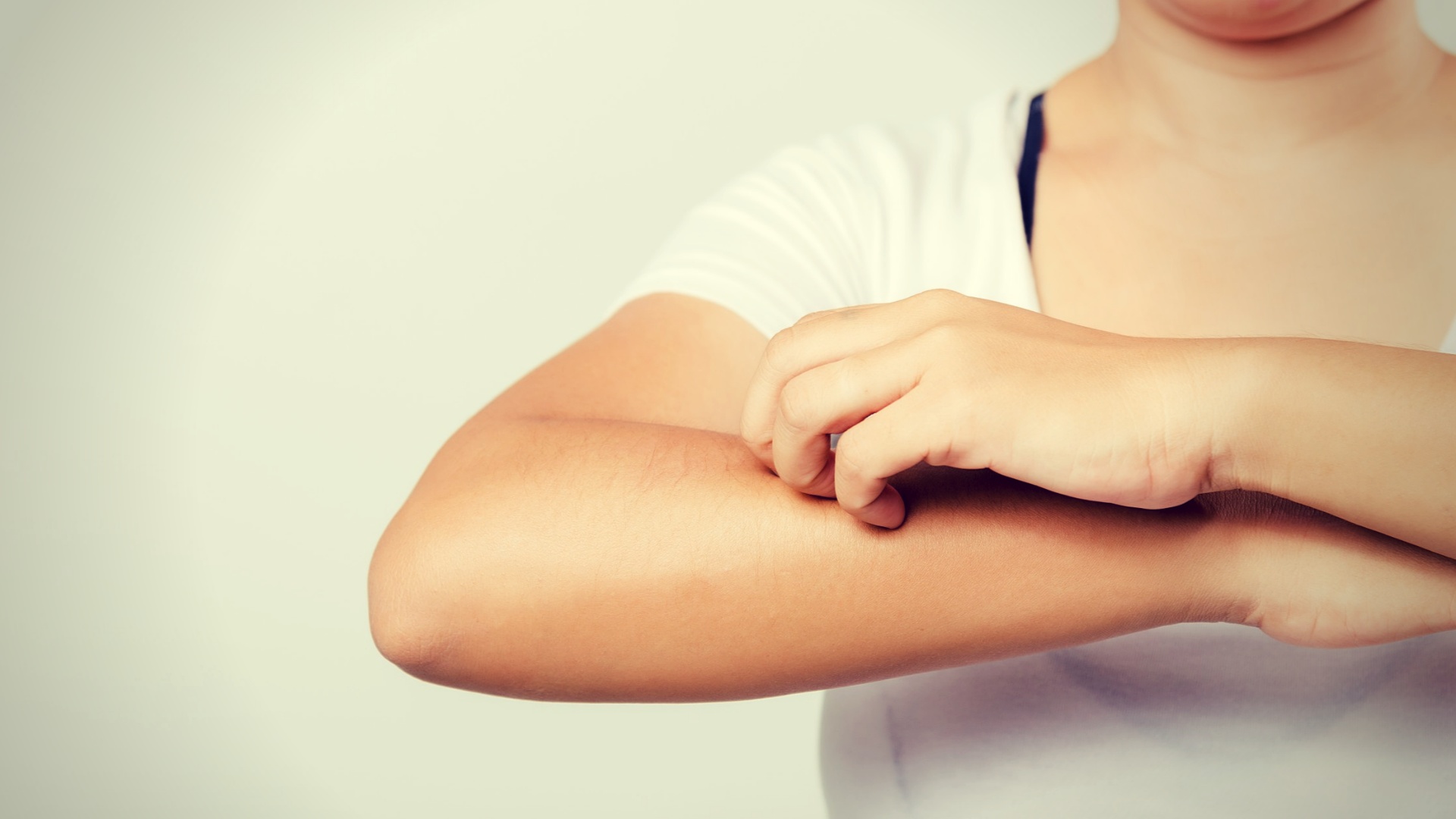
  • Allergic reactions like breathing difficulties, hives, or swelling of lips, tongue, throat, or face
  • Memory problems, trouble thinking, and other atypical behavior
  • Abdominal tenderness or swelling
  • Breast lumps
  • Jaundice, or yellowing of the eyes or skin
  • Heart attack symptoms such as nausea, sweating, or chest pains and pressure
  • Stroke symptoms such as weakness or numbness in one side of your body, vision and balance problems, sudden sharp headache, or slurred speech
  • High calcium symptoms such as vomiting, constipation, increased urination or thirst, lethargy, bone pain, and muscle weakness

To maintain your health and safety as you use estrogen products, always make sure that you talk to your doctor about its contraindications.

Estrogen topicals may have adverse reactions to your other meds. Thus, it’s best to disclose other health issues to guarantee that this is the most appropriate solution for you.

Natural Alternatives to Estrogen Creams

Estrogen-infused products are mainly synthetic, with a lot of risks and side effects. Fortunately, if you want to achieve the same effects that estrogen can do, you can try out phytoestrogens as a natural alternative.

Phytoestrogens are compounds that come from plants. They behave a lot like the body’s own estrogens when consumed, hence the name “phytoestrogens”.

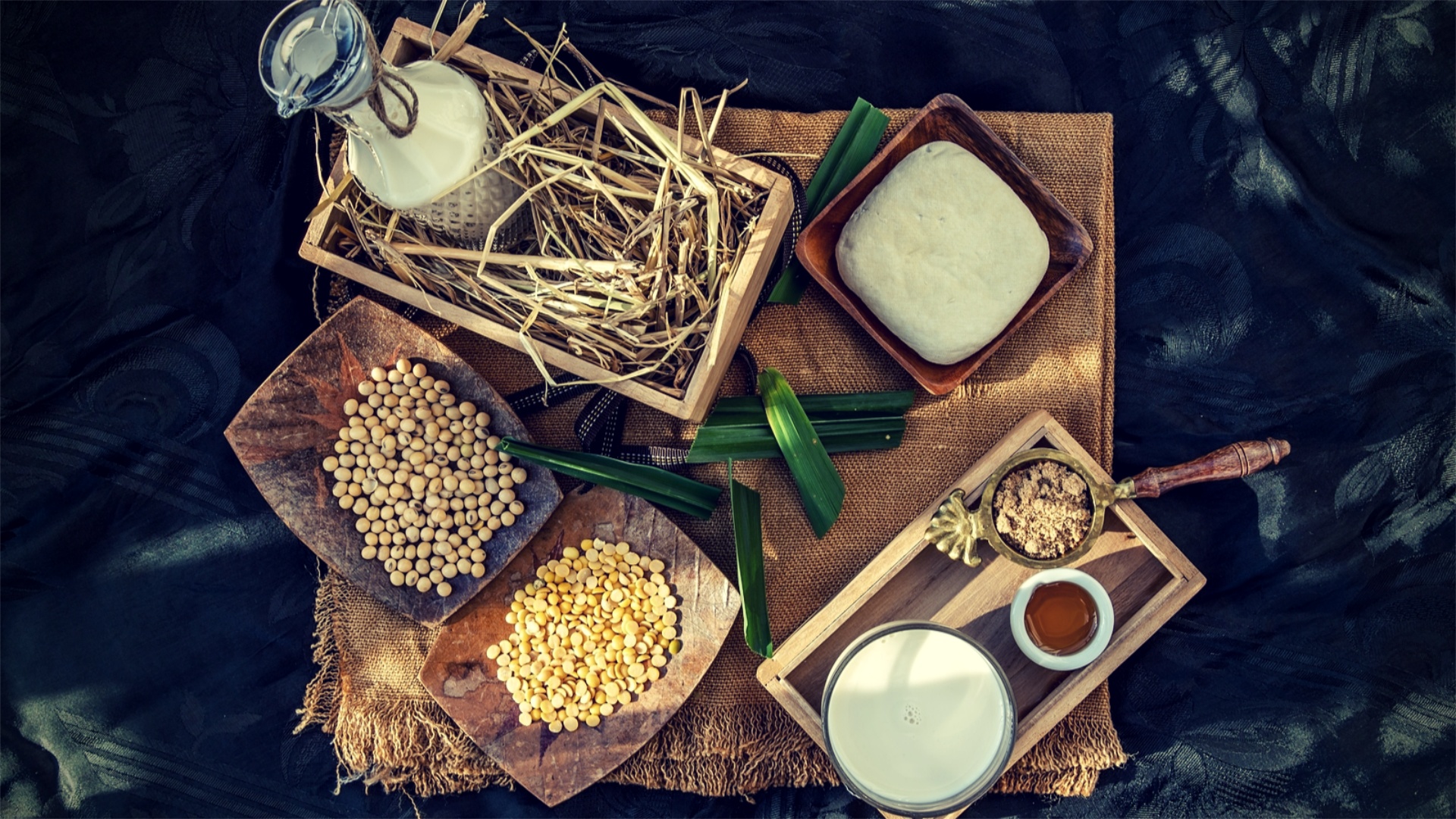
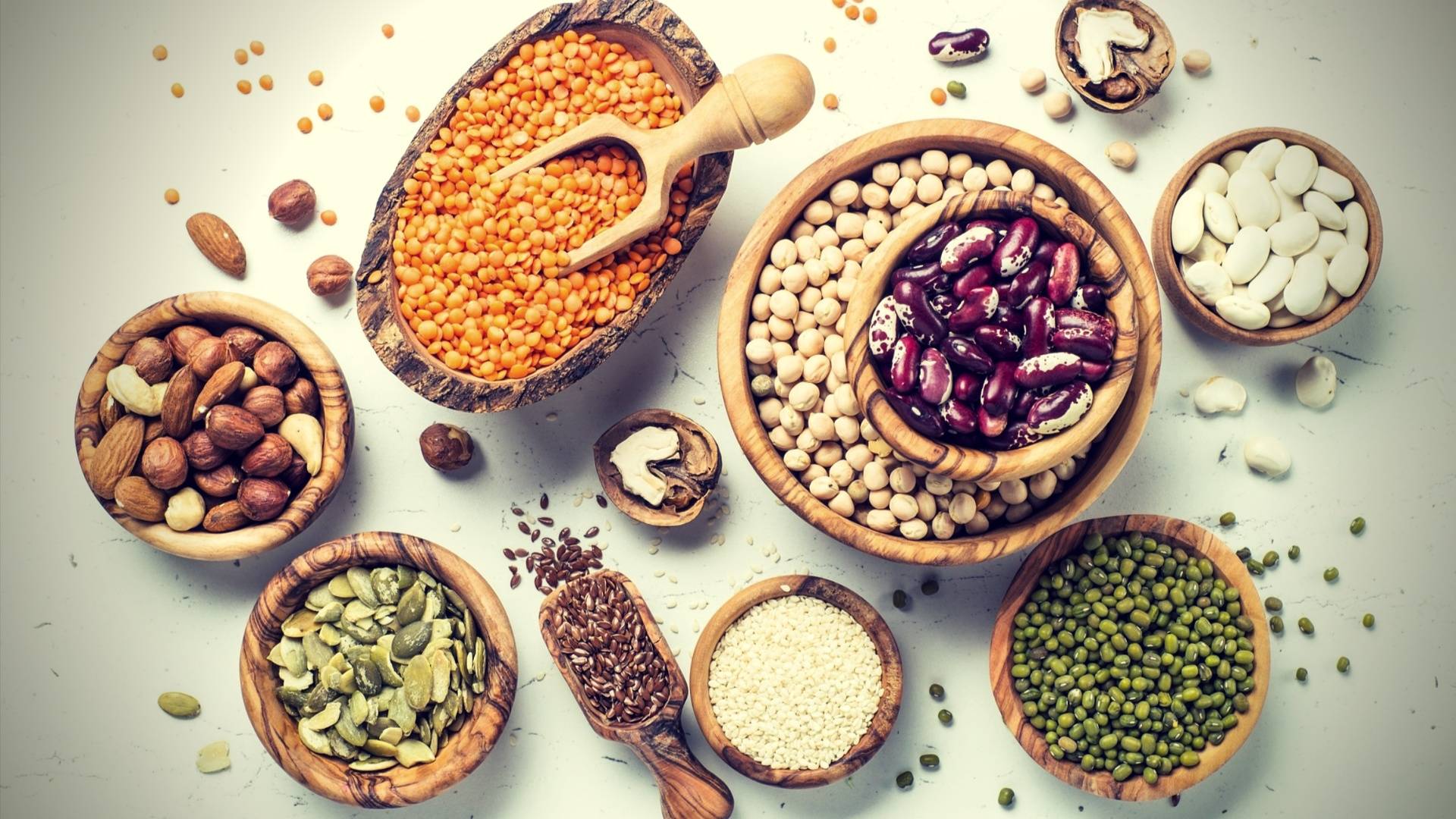
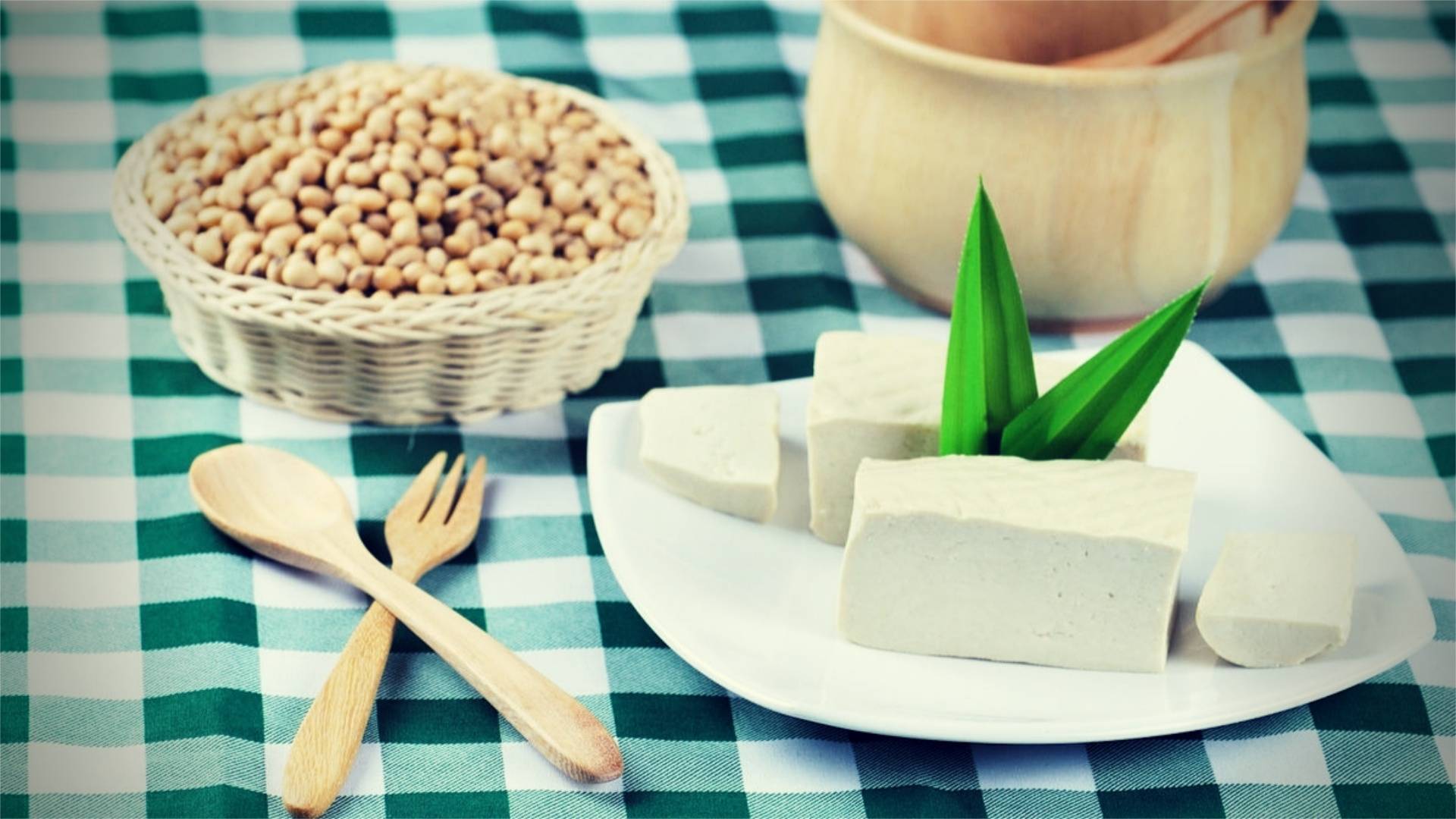
They can be found in soy beverages, soy beans, tofu, tempeh, flax seeds, sesame seeds, oats, wheat, carrots, and apples, just to name a few. It’s also found in great abundance in botanicals like Pueraria mirifica.

As Pueraria mirifica is a very potent phytoestrogen source, it’s typically used in its native Thailand and Myanmar as a means to relieve menopausal symptoms. It can even be a substitute for estrogen topicals for vaginal health.

Overall, it helps in the management of notable health issues like high cholesterol levels, low libido, hot flashes, osteoporosis, and even mood swings. If you’re looking for a potent product that allows your body to absorb more phytoestrogens, consider choosing serums over creams.

Overall, Pueraria Mirifica helps in the management of notable health issues like high cholesterol levels, low libido, hot flashes, osteoporosis, and even mood swings. If you’re looking for a potent product that allows your body to absorb more phytoestrogens, consider choosing serums over creams.

Choose Topicals with Phytoestrogens for Your Safety

Hormonal imbalances can happen at any age, but they’re especially common right before, during, and after menopause. While an estrogen skin cream can usually provide relief, natural products like Pueraria mirifica serums may be much safer and cost-effective.
Posted on

Daidzein Health Benefits for the Skin, Bones, and General Health

Is daidzein, one of the main isoflavones in soy, truly the key to women’s health as they age? What perks does it offer, and what are its downsides?

Being the curious folks that we are, we set out on a quest to find out as much as possible about this organic compound. And of course, we’re going to show you everything we’ve learned so far.

While aging can’t be stopped, minimizing its impact and slowing the progression of its effects can realistically be achieved with the help of phytoestrogens, which isoflavones fall under.

Let’s begin by talking about fragile skin, fine lines, and wrinkles—things that you’d immediately associate with aging. Well, it’s believed that these unwanted changes mainly stem from natural estrogen decline.

To explain, as the female hormone drops, collagen synthesis slows down too. And it’s collagen that serves as the skin’s key structural protein, working like a cushion between the uppermost and deepest skin layers.

Not having enough of that cushion means the skin literally gets thinner. Elasticity suffers as well, leading to the appearance of creases on areas under constant movement from facial expressions.

While aging can’t be stopped, minimizing its impact and slowing the progression of its effects can realistically be achieved with the help of phytoestrogens, which isoflavones fall under.

These phytoestrogens are hormone mimics, filling in for estrogen-reliant processes. Daidzein, in particular, has been found to reduce wrinkles thanks to its revitalizing effect on collagen production.

2. Mitigating Menopausal Bone Loss

Dwindling estrogen supplies don’t just affect the skin. In fact, that’s the very reason behind the increased risk of injuries and fractures around menopause.

The hormone plays a role in ensuring that enough bone is being made and preventing bone tissue from undergoing resorption—or when bone gets broken down for the sake of releasing calcium into the blood.

So once menopause sets in and estrogen levels become critically low, the bones grow increasingly weaker. If allowed to progress, this may lead to fractures that could end up causing pain, disability, and even death.

But with estrogen’s drop being the issue’s core, daidzein may once again offer some relief. Whenever this isoflavone is present, the osteoblasts (cells responsible for synthesizing bone) become more active.

What makes the organic compound truly interesting though, is that it’s partly converted into equol in the intestines. Equol, despite offering the same set of perks, exhibits stronger estrogenicity and is more easily absorbed.

3. Improving Cardiovascular Health

So far, you’ve seen just how important estrogen is to women’s health, especially when it comes to the skin and bones. However, it doesn’t end there—the heart and all circulatory pathways also depend on it.

With the female hormone playing an important role in keeping the arteries open and flexible, its presence means that pressure won’t be building up as blood gets distributed throughout the body.

This, in turn, translates to lower chances of suffering from stroke as well as coronary heart disease. And as you can imagine, when estrogen levels start to fall, these benefits begin to fade.

This is where daidzein once again works by serving as a substitute to the hormone—this time in facilitating nitric oxide production. It’s the abundance of this signaling molecule that keeps blood vessels open and flexible, or in other words, dilated.

Remember equol? It actually helps in this aspect too, bringing improvements in triglyceride, cholesterol, and free fatty acid levels, as well as blood pressure.

4. Fighting Back Against Hot Flashes

Although often associated with menopause, a hot flash can likewise be a problem during a woman’s periods. As long as there’s a shift in your hormone levels, or more specifically a sudden drop in estrogen, you become more prone to it.

What basically happens is that the hypothalamus (the part of the brain responsible for regulating temperature) becomes a bit too sensitive to warmth.

So despite the actual temperature not being that high, a hot flash is triggered to try and cool things down—this leads to the heart pumping faster and the blood circulating more freely, then followed by increased sweating.

With help from the isoflavone, however, these events can be avoided or at least minimized. Making sure that you supply yourself with it daily for four weeks may actually be enough to cut hot flash frequency by 40 percent.

What’s more impressive is that unlike undergoing hormone replacement therapy (HRT), going the isoflavone route is deemed safer. HRT, after all, has been linked to health issues like stroke, heart disease, and even cancer.

Getting Your Own Daidzein Supply

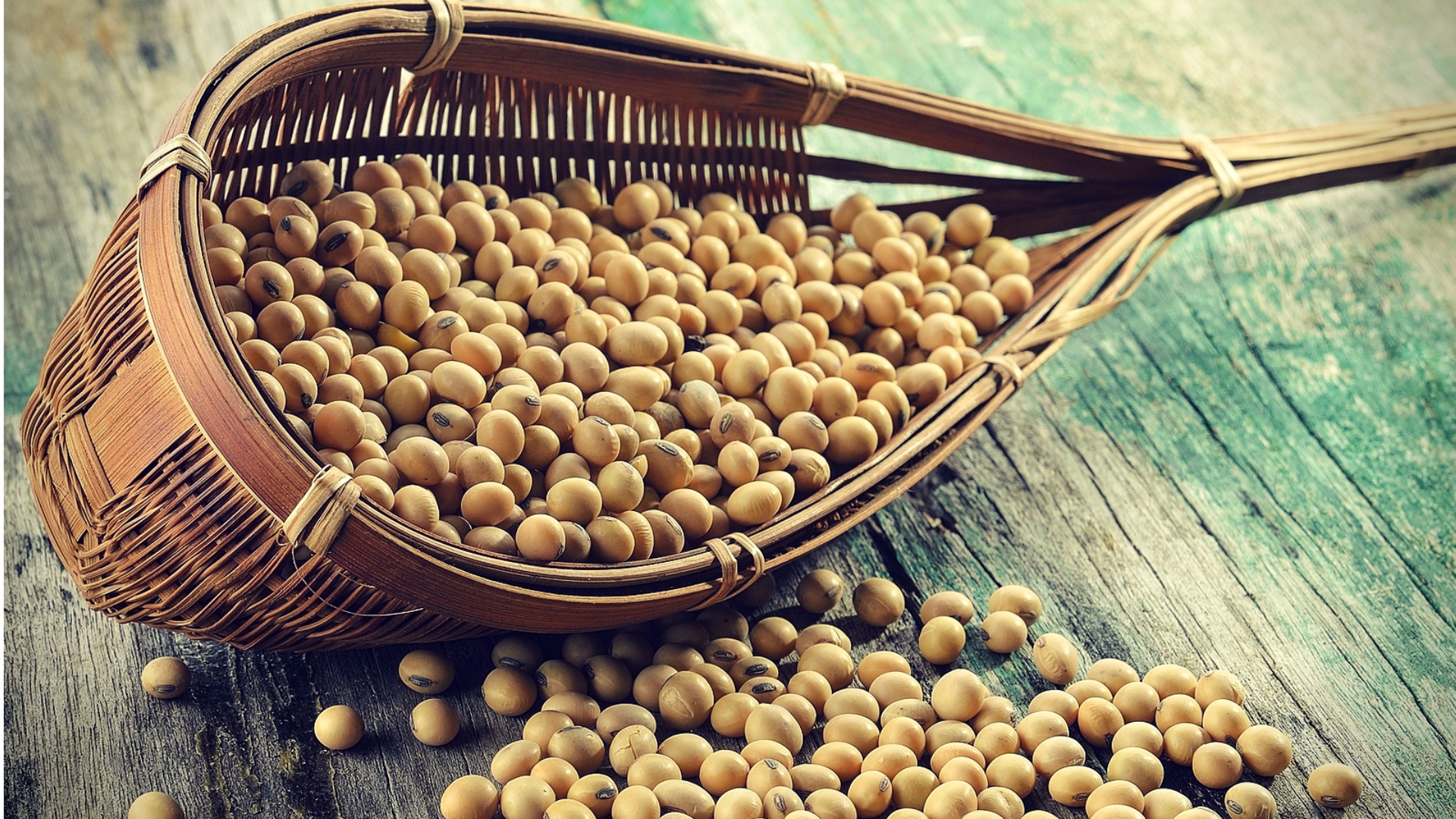
Now that you’ve learned of its perks, you’re probably wondering about the ways of getting your hands on this soy isoflavone—and there’s your clue. For each gram of soybean, there’s around 400 to 1,100 micrograms of it.

To be clear though, that’s immediately after harvesting. After being boiled, soybean’s daidzein content drops significantly down to approximately 360 micrograms per gram.

Roasting isn’t as harmful to it since roughly 1000 micrograms remain per gram of soybean (some claim that it’s only at 500 micrograms, however). But what if you aren’t too eager about eating or cooking the legume itself?

Well, there’s tofu—a meat substitute known for being a flavor sponge, making it easy to prepare. For each gram of fresh tofu, you’re getting around 100 micrograms of the isoflavone.

If you’re not really into soy, you could go for other legumes instead. Kudzu, fava bean, and lupin bean are good alternatives with about 400 micrograms per gram—though that value’s taken at dry weight.

With at least 17 different phytoestrogens, which surprisingly include daidzein, Pueraria mirifica will likely bring you benefits better than those you’ll get from the soy isoflavone alone.

But Is It Really Your Best Option?

With barely any side effects aside from fairly minor ones like stomach ache, flatulence, constipation, and diarrhea, this isoflavone is truly a tempting choice for women looking to improve their wellbeing.

However, that doesn’t mean it’s the only choice around and it isn’t the best either, especially if what you’re after is phytoestrogenic action. In that aspect, Pueraria mirifica is hard to beat.

With at least 17 different phytoestrogens, which surprisingly include daidzein, Pueraria mirifica will likely bring you benefits better than those you’ll get from the soy isoflavone alone.

Posted on

Stem Cell Breast Augmentation: Better Than Implants?

For decades, going under the knife to get bigger breasts meant only one thing—you’re getting implants. Now, stem cell breast augmentation is growing in popularity as a safer and more reliable option.

Instead of just buying into the hype though, learn as much as possible about this procedure. After all, having work done on your bust is something that you should definitely think through.

To overcome dilemma, stem cells were added into the mix. With their capacity to develop into either breast tissue or fat, they allow for better integration and may enhance graft survival.

To begin with, let’s talk about the procedure itself. It starts with the doctor putting you on either local or general anesthesia, and afterwards having fat extracted from you through liposuction.

If you’re worried about the incisions that will have to be made, well, this will only require small ones—usually around four millimeters in diameter. Once enough fat has been harvested, a small amount is then sent for processing.

Processing, in this case, means putting the fat in a centrifuge and separating the stem cells from other components (e.g., fat and plasma). The stem cells are then mixed with the rest of the fat.

This resulting combination will then be injected into the breasts—no further incisions need to be made. This final step is done in a slow, gradual manner to ensure that everything gets distributed evenly.

That’s basically it. As you can see, this cell-assisted approach to breast augmentation is minimally invasive, leaving no unsightly marks on the breasts themselves.

Why Bother With Stem Cells?

You’re probably thinking that transferring fat from one place to another isn’t entirely new—and you’re right about that. Autologous fat grafting, as experts call it, has been around for quite some time.

Truth is told however, it’s far from perfect, with low fat graft survival in particular being a major issue. This refers to the problem with the fat’s weight and volume dropping significantly within a couple of years.

In other words, the increase that is initially achieved will be far from what you’llhave in the end. And of course, that decrease in size might in turn cause imperfections and other unwanted changes in how the breasts look.

To overcome that dilemma, stem cells were added into the mix. With their capacity to develop into either breast tissue or fat, they allow for better integration and may enhance graft survival.

While there will still be a decrease in overall breast volume three months after the procedure, not much should change afterwards—though that’s the ideal outcome.

This procedure is still rather new and so; many of its problems and limitations are yet to be uncovered. For example, there are fairly recent studies highlighting cases where graft survival didn’t improve at all.

Who’s the Ideal Candidate for Stem Cell Breast Augmentation?

Surely a few disappointing results won’t be enough to discourage you from getting bigger breasts this way. But unfortunately, eagerness isn’t the only thing you’ll need to qualify for cell-assisted breast augmentation.

Remember that fat will have to be harvested, meaning you need to have enough fat. And no, it can’t be just from any area either—the fat has to be derived from the abdomen or the thighs.

Also, if you have a lean body or your body mass index (BMI) is below 18.5, you’re immediately disqualified for this procedure. Around 100 to 400 cubic centimeters (cc) of fat are needed, which will be impossible to get from a body that’s too lean.

There’s another thing—the kind of fat matters too. If the fat you have easily gets used up with regular exercise or by following a proper diet, then you aren’t suited for the procedure.

It’s only the natural, non-excess fat that can be used. This, of course, means that anyone who’s currently on the higher end of the BMI range won’t qualify either.

Is It So Much Better Than Implants?

With how “exclusive” it is, this approach to breast augmentation must be good, right? You’re probably thinking that it should at least be better than implants in every possible way.

Well, that isn’t necessarily the case, especially if you’re aiming for a massive increase in your bust size. Going the cell-assisted route means you’ll only be moving up around one cup size.

While some achieved improvements of two to three cup sizes, these are near-perfect cases with considerably high graft survival. And remember, there’s no standardized technique for this so results definitely tend to vary.

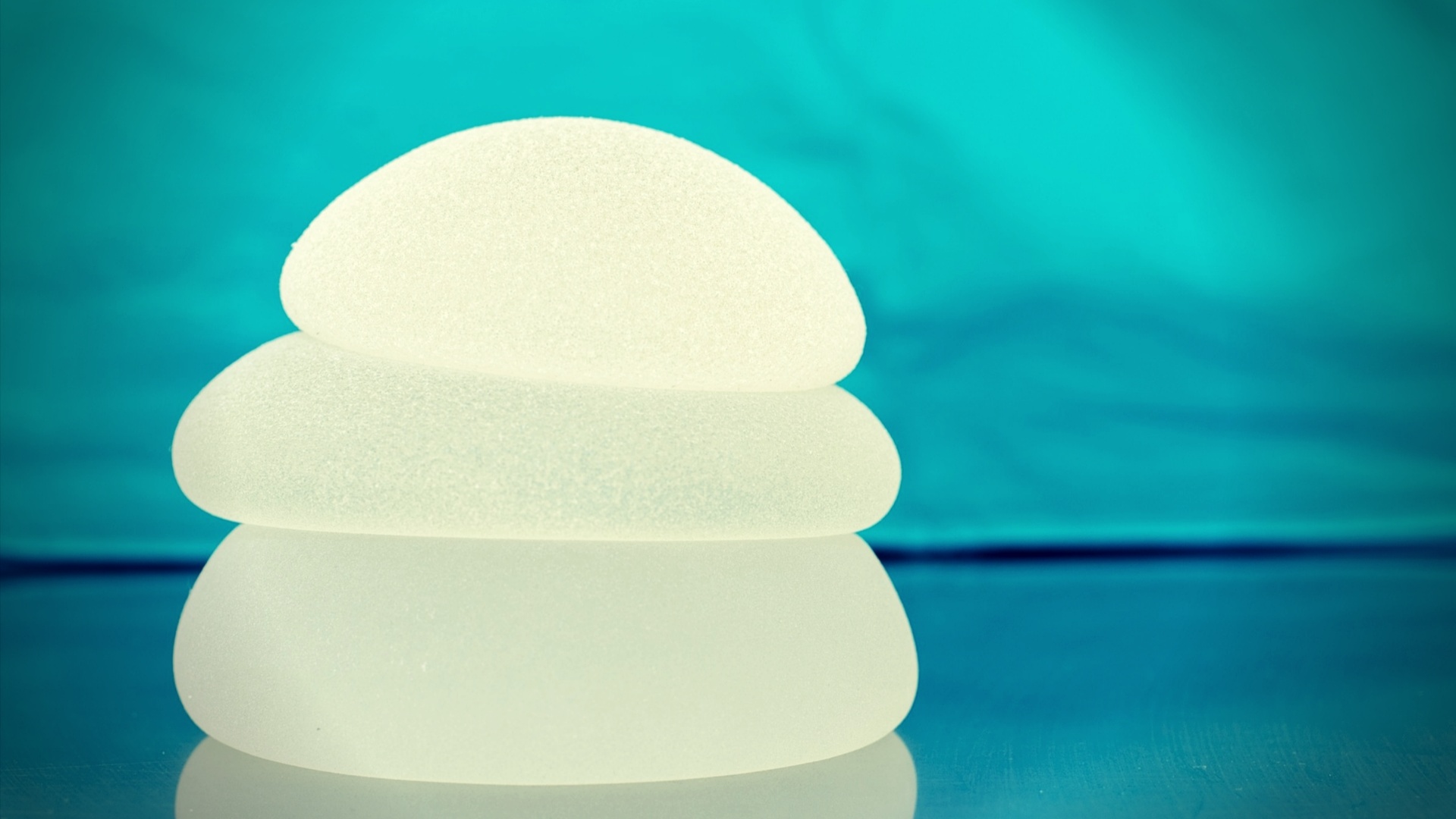
Even with those results however, it still pales in comparison to implants. Silicone implants, for example, can exceed the 500-cc mark—assuming that one cup size is approximately 150 cc, that’s at least three cup sizes already.

Saline-filled implants, on the other hand, can reach even greater volumes. The maximum for what’s commercially available is 960 cc, which translates to six cup sizes.

Interestingly, this kind of implants can be used to attain much higher volumes. By injecting additional saline solution, the implant itself can be inflated past its recommended size.

Why Is The Procedure Gaining Popularity Then?

Clearly, stem cells aren’t for women looking to have the biggest improvements. But size isn’t the only thing you should be concerned about. There’s also the matter of feel.

Saline-filled implants are considered to have an unnatural feel. Their silicone counterparts fare better but not too well: they still can’t compete with actual breast tissue.

Now with the breasts being comprised of tissue and fat, and with stem cells and fat grafting merely adding to both, it’s no wonder that feel isn’t an issue with this newer procedure.

Aside from having the right feel though, cell-assisted breast augmentation eliminates the need for replacement. Saline and silicone implants are expected to last for up to 20 years, but many are removed way sooner.

Some surgeons deem it necessary to replace implants after a 10-year period, but there are those more than willing to wait until leaks, ruptures, or any other noticeable problems occur.

As you can imagine, in addition to being expensive, having implants replaced translates to lost time as you’ll have to go through pain and recovery again. It also means you’ll have to pay for the whole procedure once more, and that’s a good chunk of money.

But What Are The Risks Involved?

So, stem cell breast augmentation is the better choice if you’re worried about feel or if you’re not too eager about implants due to the need for their eventual replacement. But surely, as with any other procedure, getting cell-assisted breast augmentation has its own risks.

Specifically, if you decide to undergo the procedure, you should be ready for the possibility of developing breast lumps, calcifications, and oil cysts. Though not dangerous on their own, these make cancer screening harder.

Simply put, if you get a mammogram and you do have nodules or lumps, your radiologist will find it difficult to know whether you’re dealing with abnormal growths or just the ill-effects of breast enhancement.

Unsurprisingly, those who do end up having such problems usually opt to undergo treatment. Lumps and cysts may be resolved through fine-needle aspiration or liposuction, while calcification requires periareolar incisions (small cuts around the nipple area).

Though far from complex, these procedures will still set you back financially and likewise, will require a brief period of recovery. And it can’t be denied that this is comparable to having implants replaced.

What’s Preparing for It Like?

While some concerns occur after undergoing breast augmentation, there are those that may begin even as you prepare to go under the knife. This, in particular, stems from the need to use BRAVA—an external tissue expander.

You’ll be asked to wear the contraption for at least three weeks, and for up to 12 hours daily. This opens up the tissues, allowing for more space where stem cells and fat can be introduced.

The tissue expansion works like a pump and improves blood flow, which is key to the success of the procedure. With the grafted fat not having its own access to the blood vessels, they’ll be relying on what’s already circulating in the area.

This is likewise the reason why increases in size are so limited with cell-assisted breast augmentation, as graft survival greatly drops once the amount exceeds what can be supported by the existing blood flow.

Despite the BRAVA’s perks however, it’s still yet another technology in its infancy. Studies regarding its safety are still limited, with some highlighting risks like severe lesions, blisters, and other problems from skin damage.

And no, despite how the device looks, it won’t give you a breast lift. In fact, the procedure itself won’t provide that kind of perk either, meaning you’ll have to spend more if you do need a lift.

Is Recovery Going To Be A Hassle Too?

If recovery is your main concern, well, here’s some good news—unlike with more invasive treatments, stem cell breast augmentation only requires two to three days of rest. You’ll feel sore for about a week, but the pain should be manageable.

Of course, not all phytoestrogen-containing products are made equal. Those containing Pueraria mirifica, for example, are often superior due to the herb having at least 17 different phytoestrogens.

Are There Cheaper, Safer Alternatives?

After knowing about all these things, are you still eager to go under the knife? If you’re having doubts and you want something more cost-effective and safer instead, you should probably consider trying phytoestrogens.

These plant-derived estrogen mimics are not only capable of supporting breast growth, but they also help keep the skin supple and hydrated—meaning they may give your boobs a bit of a lift.

Of course, not all phytoestrogen-containing products are made equal. Those containing Pueraria mirifica, for example, are often superior due to the herb having at least 17 different phytoestrogens.

Are you thinking of giving it a spin instead of going for stem cell breast augmentation? Here’s a suggestion—go for Mirifica Science’s serums as the modern option with the highest affordability, purity, and potency on the market.

Posted on

Homeopathic Remedies for Menopause Signs and Symptoms

Homeopathy is an alternative medicine practice that relies on the body’s capability to heal itself. Since it makes use of natural ingredients, some women may consider looking into homeopathic remedies for menopause to seek comfort from the symptoms.

Homeopathy examines what a patient is going through as a whole. You’ll be treated for your unique case, to the point that even the physical, emotional, mental, and even social aspects of your life will be examined.

Homeopathy started out in Germany during the latter part of the 18th century.The practice was invented by Samuel Hahnemann using the idea that physical symptoms are the body’s way of responding to health issues.

The term “homeopathy” comes from the Greek words, homoios meaning “similar”, plus patheia meaning “disease”. Thus, the whole concept believes in the notion that “like heals like”.

Hahnemann thought that the body produces notable physical symptoms as a means of bringing itself back to health.

Since he knew that some substances trigger particular symptoms in otherwise healthy individuals, he hypothesized that consuming a tiny fraction of those very same substances may cure the underlying health problem.

Theoretically, homeopathic dosages should strengthen the body’s self-regulatory and self-healing mechanisms.

A homeopath utilizes solutions or pills containing active substances to treat a patient’s health issue. These ingredients typically come from plants or minerals.

It’s no surprise that it has also been used to treat menopausal symptoms. Because it doesn’t usually involve harmful chemicals, many women are willing to try it out.

Why Do Women Choose Homeopathy?

Generally, homeopathy examines what a patient is going through as a whole. Homeopaths don’t just treat your symptoms at face value; they actually take a holistic and customized approach to it.

This means that you won’t be getting any generic treatment plan that’s also applied to others. You’ll be treated for your unique case, to the point that even the physical, emotional, mental, and even social aspects of your life will be examined.

For instance, homeopaths carefully consider your environment and potential stressors. They also ask if you’ve come into contact with any infectious agents recently.

This allows them to formulate a solution that mimics your symptoms as closely as possible. This study revealed that a well-concocted homeopathic plan has cured hot flushes in 90% of the menopausal women in their sample.

Given how specific a homeopathic treatment plan is going to be, it’s no surprise why some patients continue to choose it. It doesn’t simply try to eliminate the nagging symptoms; it actually tries to get to the root cause of it all.

Examples Homeopathic Remedies for Menopause

Listed below are the common ingredients that are used in menopause-related homeopathy treatments:

1. Lachesis Mutus

Recommended for women who are experiencing hot flashes.

2. Sepia

Recommended for women whose periods are irregular in terms of timing and blood flow. Other symptoms that sepia may tackle include craving for sour food items, irritability, and disinterest in everyday tasks.

3. Sulphur

Recommended for women who are dealing with hot flashes and flushes during menopause. Sulphur is also effective on women who feel extremely emotional and anxious, especially when it comes to their health.

4. Graphites

Recommended for women who are having a hard time focusing on tasks. They’re usually sluggish and pale, with a huge tendency to gain weight during their menopausal and post-menopausal years.

They may also be prone to night sweats and skin issues.

5. Belladona and Glonoinum

Recommended for women who need relief for hot flashes, excessive sweating, and inexplicable headaches.

6. Lilium Tigrinum

Women who need this remedy are generally very emotional, which leads to physical manifestations of chest tightness. They’re often anxious and quick to get angry.

7. Calcareacarbonica

Recommended for women who are prone to heavy bleeding, flushing, chills, night sweats, and weight gain. Other physical symptoms include fatigue, leg cramps, stiff joints in the lower body, and strong cravings for sweets and eggs.

8. Ignatia

Recommended for women who feel emotions too strongly, no matter where it is in the spectrum. If you feel particularly sensitive, moody, and defensive, this treatment may help.

Homeopathy’s Limitations

At the end of the day, even though many women and men alike have benefited from homeopathy, the practice still remains largely unscientific. While the results indicate that it can work, there hasn’t been any extensive research to explain why that is so.

Generally, homeopathy isn’t recommended for serious issues that need to be addressed immediately. That’s because it takes some time for your body’s system to adapt to the changes that it triggers.

Homeopathy may also be ineffective in addressing health issues that simply require modifications in a person’s lifestyle. For instance, a woman who is anemic can take homeopathic treatments, but her conditions will only heal completely if she finally gets her daily iron requirement.

Additionally, even if homeopaths already have a tried-and-tested process for personalizing their treatments, sometimes homeopathy just isn’t the answer. Nonetheless, it still proves to be particularly popular to those who are seeking alternative treatments.

Alternatives to Homeopathy

Since many menopausal symptoms are caused by hormonal imbalances — particularly estrogen deficiency — another way to treat them is to undergo HRT (hormone replacement therapy).

However, HRT does come with a few risks, especially for older women.Plus, it’s not exactly the cheapest treatment plan.

This is where phytoestrogens like Pueraria mirifica come in. Phytoestrogens are plant-based substances that behave a lot like estrogen.

Many phytoestrogens can be found in common food items like tofu, soy beans, berries, oat, wheat, lentils, carrots, and apples. A diet rich in phytoestrogens is usually recommended to women who are suffering from hormonal imbalances.

Phytoestrogen-infused products, like phytoestrogen supplements and the Mirifica Science serum, are also used to alleviate the discomforts associated with menopause.

Pueraria mirifica is especially popular because of its phytoestrogen content. If you’re looking for a Pueraria mirifica product that is highly potent, a serum is a good pick.

If you want to keep your hormone levels more balanced, phytoestrogens can be the natural solution that you’re looking for.

If you want to keep your hormone levels more balanced, phytoestrogens can be the natural solution that you’re looking for. This is where phytoestrogens like Pueraria Mirifica come in.

Fight Menopausal Symptoms with Pueraria Mirifica

Menopause isn’t exactly a phase that women look forward to. After all, it means undergoing physical changes that may be hard to go through without the proper intervention.

Homeopathic remedies for menopause have been proven helpful to many women who are experiencing severe menopausal symptoms. However, if you’re looking for other natural alternatives, Pueraria mirifica products can also offer that much-needed relief.

Posted on

Best Estrogen Supplements: 13 Proven Ingredients to Look For

13 Best Estrogen-Boosting Foods For Women Over 30

There are so many products claiming to be the best estrogen supplements. To make the right choice you need to know what ingredients should be in a reliable estrogen supplement, as well as how estrogen (and phytoestrogen) works in your body.

When you are low on estrogen, many of the estrogen receptors in your body are “open”. This means that they are ready to accept estrogen-binding compounds in order to maintain or increase estrogenic activity.

Many of these compounds can be found in plants and thus are called phytoestrogens, biochemicals that mimic the function of estrogen. Below are some of the best ways to help your body maintain good estrogen levels.

Studies have shown that Pueraria Mirifica may have potent effects on fighting estrogen deficiency symptoms such as vaginal dryness and reduced bone density. It may also help improve skin hydration and elasticity, and delay signs of skin aging.

Chickpeas are legumes, a food group that is known for its high phytoestrogen content. You can enjoy this food in the form of hummus, which is often used as a spread or dip.

A study showed that the organic compounds extracted from chickpea sprouts have estrogenic properties. This indicates that the phytoestrogen from Chickpeas may have potential as treatment for conditions causedby estrogen deficiency.

2. Soy

Soybeans are a great source of phytoestrogen in the form of isoflavones, which is why they are often considered some of the best food sources for women, or anyone seeking to maintain hormonal balance.

Many soy products such as soy milk, soy yogurt, and tofu are also low-cholesterol and low-carb, on top of being delicious. Soy is a good source of protein and fat, which is why it’s a staple food in a vegan diet.

3. Pueraria Mirifica

Pueraria Mirifica is a relatively newer addition to the growing list of plants that help boost estrogen levels in the body, although it has been used in Thailand for centuries as a way to enhance vitality in men and women.

Studies have shown that it may have potent effects on fighting estrogen deficiency symptoms such as vaginal dryness and reduced bone density. It may also help improve skin hydration and elasticity, and delay signs of skin aging.

4. Sesame Seeds

Sesame seeds are another great source of phytoestrogens. In a study on sesame seeds and soybean oil, it was found that they were able to improve bone health markers on rats, a metric that’s also related to estrogen deficiency.

5. Flax Seeds

These are among the best estrogen-boosting supplements for one main reason:their high lignan content. Lignans are a type of phytoestrogen and the highest concentrations of this compound can be found in flax seed. In particular, lignans have an effect on estrogen metabolism, and are known to help with symptoms associated with lack of estrogen such as brittle nails and dry skin.

6. Vitamin B3 (Niacin)

Certain types of Vitamin B such as Niacin are involved in processes that are crucial for maintaining healthy estrogen levels in the body. Niacin in particular is involved in bile production which is linked to estrogen metabolism. It addition, this compound promotes the release of growth hormones which help with muscle repair and rejuvenation, as well as detoxification. Niacin can be found in meat such as poultry, fish, and beef, and plant-based food like nuts, grains, and legumes.

7. Alfalfa Sprouts

Alfafa sprouts are known for being a yummy addition to salads, but they’re also pretty nutritious. They contain high levels of vitamin K and vitamin C, and compounds called saponins, isoflavones, and coumestans. The latter two are types of phytoestrogen. Saponins, on the other hand, bind to cholesterol, thereby preventing absorption into the body.

8. Fennel

This versatile herb can be used to add flavor to a variety of dishes. It can also be used to make tea.

Traditionally, it has been used to relieve flatulence, reduce stress, regular appetite, improve digestion, and encourage urination. Most of its positive effects on digestion are due to its fiber content. However, recent studies have shown that this herb also has a potent estrogenic effect.

9. Garlic

This spice is yet another good source of phytoestrogens. It’s easy to incorporate this to your diet because it is widely available and can be used to add flavor to a lot of savory dishes.

10. Riboflavin and Pyridoxine (B2 and B6)

These B vitamins have been found to reduce risk of breast cancer, and preliminary studies suggest that this may be due to their estrogen binding mechanism.

You can get riboflavin from nuts, dairy products, eggs, meat, and vegetables such as kale, broccoli, cabbage, cauliflower, and bok choy. Pyridoxine, on the other hand, can be found in fish, bread, eggs, soy products, poultry, and pork.

11. Boron

Boron is a trace mineral that can be found in nuts, kale, spinach, prunes, and raisins. It’s also taken as supplements to boost athletic performance or treat bone density deficiency (osteoporosis). It is believed that boron influences the way the body manages estrogen levels in post-menopausal women.

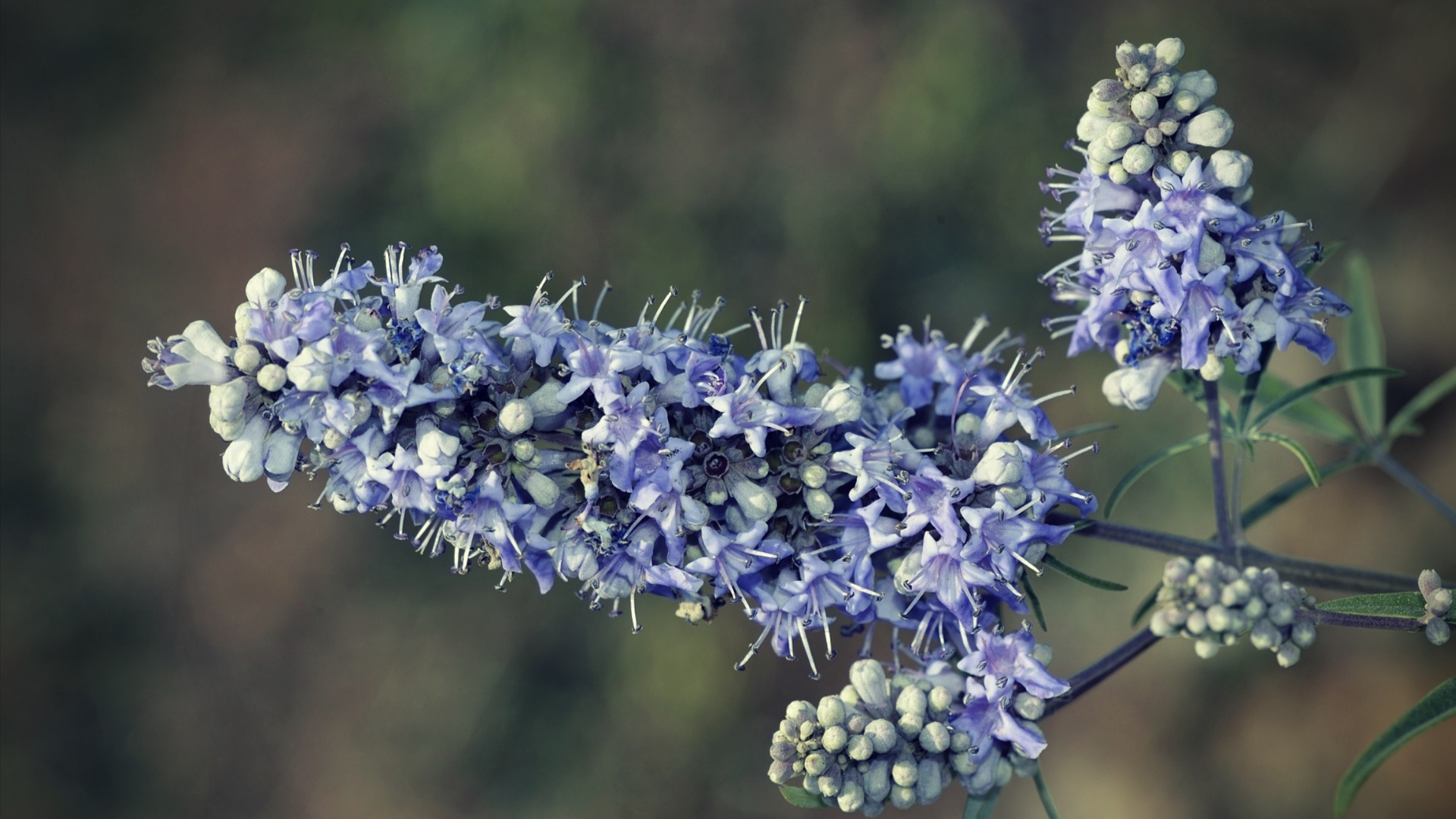
12. Chasteberry

Chasteberry is a plant that’s native to the Mediterranean region and has been traditionally used to treat gynecological conditions like PMS and to enhance libido. It’s typically taken as tea. Studies suggest that this may be due to its estrogenic properties brought by the compound apigenin, which is a type of phytoestrogen.

13. Dong Quai

Dong quai has been used in traditional Chinese medicine to treat conditions related to female vitality, and science has found that it may because of the estrogenic compounds found in the plant. It’s usually made into tea or added in soup.

Several medical studies have touted the beneficial effects of Fenugreek apart from its potential as natural breast enlarger. Note that these studies aren’t 100% conclusive and a lot of research still needs to be done.

Keep in mind that there is no Recommended Dietary Allowance for phytoestrogen and you should be avoiding estrogen-rich food if your estrogen levels are already high.

Conclusion

While many of the items on this list can be added to your diet or taken in the form of pills, there are some extracts that are best used in serum form. This way, you can target a specific area on the skin and manage the amount of estrogen that the rest of your body would have to process.

Finally, keep in mind that there is no Recommended Dietary Allowance for phytoestrogen and you should be avoiding estrogen-rich food if your estrogen levels are already high. If you are, however, experiencing estrogen deficiency symptoms, it is best to consult a licensed medical professional before taking any supplement even if they’re claiming to be the best, especially if you have underlying conditions.

Posted on

Restore Skin Elasticity Naturally With These 6 Proven Strategies

The skin can lose its elasticity due to a wide range of reasons. The good news is that these changes are reversible! There are whole lots of strategies to restore skin elasticity without having to go through expensive and painful procedures.

Many people, especially women, turn to phytoestrogen-infused products to manage symptoms related to estrogen deficiency. This includes any skin issues that they’re currently dealing with.

Skin elasticity is exactly what it sounds like. It refers to your skin’s ability to stretch and then return to its original state.

To test your skin’s elasticity, you can try pinching your cheek and pulling it moderately. Then, let go and take note of how fast it returns to normal.

Typically, younger people have a more elastic skin because they have a thicker dermis. The dermis is the skin layer that contains capillaries, nerve endings, sweat and sebaceous glands, and hair follicles.

As the thickest skin layer, the dermis contains a lot of elastic fibers that make the skin flexible. It also houses collagen fibers that keep the skin firm and strong.

Due to chronological aging (the scientific name for”aging with time”), the dermis eventually becomes thinner in older adults. This results in skin changes that are usually associated with aging, such as wrinkles, fine lines, age spots, and sagging.

What Makes the Skin Less Elastic?

In many cases, loss of skin elasticity is just a natural byproduct of aging, but it can also happen in younger people who aren’t exactly living a healthy lifestyle.

Here are some notable factors that contribute to loss of skin elasticity:

1. Skin Dehydration

One of the leading causes of loss of skin elasticity is dehydration. This is caused by both internal and external dehydration.

Without adequate hydration, your skin is bound to become loose, wrinkled, and even flaky. It will also feel rough when you touch it.

2. Hormonal Fluctuations

Estrogen may be mainly known for its reproductive functions in women, but it also plays a huge role in skin health. That’s because it increases the production of glycosaminoglycans (GaGs) which support hydration and work along with collagen and elastin to keep the skin healthy.

Estrogen levels drop dramatically in menopausal a woman, that’s why their skin tends to age faster when they reach that point. Sometimes, menopausal symptoms are dealt with using estrogen therapy.

3. Unprotected Sun Exposure

Your summer trips to the beach may not do lasting damage to affect your skin over the long term. However, if you’re usually under the sun without applying any sunscreen, it can damage your skin and trigger premature skin aging.

4. Cigarette Smoking

Studies show that smoking leads to premature skin aging. If you compare smokers and non-smokers, you’ll notice that the smokers will always look older than their non-smoking counterparts.

6 Tips to Restore Your Skin’s Elasticity

Loss of skin elasticity is a part of life that people simply can’t run away from. However, it doesn’t mean that we’re completely helpless against it.

Listed below are 6 strategies that can help improve your skin’s health for good:

1. Choose Healthy Food Items

Modern humans are exposed to a lot of processed and high-sugar food items. It’s no surprise why we’re now dealing with health problems that probably didn’t affect our ancestors.

See, once you consume these foods, they create molecules in your body that break down collagen and elastin. Thus, it’s recommended to replace them with a diet that’s rich in vitamins A, B, C, and E as well as omega-3 fatty acids.

Not only do these food items protect your cells from getting damaged by free radicals, but they also encourage collagen and elastin production. If you want to improve your skin, you should start by prioritizing your nutritional needs.

2. Use Skincare Products with Phytoestrogens

Sometimes, hormones are the culprit behind impaired skin elasticity — something that is especially true for menopausal women. In some cases, topical estrogen therapy is enough to provide that much-needed relief from their symptoms.

If you’re sure that your skin condition is primarily driven by hormonal imbalances, you can also turn to phytoestrogens. As the name implies, phytoestrogens are plant-derived compounds that work in the same way as estrogen.

That said, many people, especially women, turn to phytoestrogen-infused products to manage symptoms related to estrogen deficiency. This includes any skin issues that they’re currently dealing with.

Pueraria mirifica is one of the most potent sources of phytoestrogen. If you’re looking for a product to try out, consider our premium-grade Pueraria Mirifica serums!

3. Find the Time to Exercise

Exercise isn’t only great for the heart, but it’s also good for the skin. That’s because regular exercise significantly improves your blood circulation, and as a result, your skin gets more nutrients from it.

Additionally, regular exercise can also increase collagen production. And, when you engage in strength training, you’re going to build muscles that will make your skin tighter.

4. Get Some Beauty Sleep

Many restorative processes occur when you hit the sack. This is when your body heals itself from the day’s damages and fights free radicals that are trying to damage your systems.

Having enough sleep every night ensures that your skin remains strong and healthy-looking. And because sleep also encourages collagen production, it also ensures that your skincare products work more effectively.

5. Take Vitamins and Supplements

Vitamins C and E may help in the body’s collagen and cartilage formation. Even if you’re already following a healthy diet, taking supplements can speed up your skin’s improvement.

6. Quit Smoking

As mentioned in the previous section, smoking is one of the main reasons why collagen and elastin break down earlier than they’re supposed to. The longer you keep on smoking, the more your skin will sag and wrinkle in the long term.

As our tips suggest, in many cases we simply have to switch to a healthier lifestyle to reflect the state of our internal health onto our skin.

Bring Back the Spring in Your Skin with These Tips!

Our skin condition is the most obvious evidence that aging is unavoidable no matter what we do. While it may be impossible to turn back the clock, fortunately, it’s possible to slow down the skin aging process.

As our tips suggest, in many cases we simply have to switch to a healthier lifestyle to reflect the state of our internal health onto our skin. Depending on your starting point, the transition may not exactly be easy, but you can always take things one step at a time to properly restore skin elasticity.

Posted on

Supplements for Bigger Breasts: All Your Best Options Reviewed

Are you interested in finding the best supplements for bigger breasts? In this short guide we cover all the options that women have used and tried just to get the next cup size.

Apart from genetics and the effects of pregnancy and childbirth, the other factors that affect the size of a woman’s breasts can be managed.

Part of the reason why women want a larger bust size is because it is ingrained in our society that girls with bigger breasts are much more attractive. This is true in part because more men prefer women with medium to large sized breasts.

It’s a stereotype in our society but there may be a scientific basis behind it. Women with large breasts signal lactational efficiency, one’s reproductive potential, and probably evolutionary adaptation.

Nevertheless, these findings need to be confirmed and more clinical studies are necessary.

What Makes Breasts Bigger

There are several factors that can affect breast size. They may include the following:

  • It is a matter of genes (i.e. genetic traits that you inherit from both sides of the family)
  • Nutrition—malnutrition may result in underdeveloped milk glands and thus smaller bust size
  • Hormonal changes
  • Weight loss and weight gain
  • The effects of pregnancy and breast feeding
  • Exercise

As you can see from the list above, apart from genetics and the effects of pregnancy and childbirth, the other factors that affect the size of a woman’s breasts can be managed.

Medications and Supplements for Bigger Breasts

There are certain medications and supplements that may help. Note that some of these options may have a negative impact on your health.

Some of the medications and supplements in the list below may have been designed for other purposes. That means the increased bust size is only a side effect and not the main benefit of the said drug/supplement.

Here is a list of these drugs and supplements for bigger breasts:

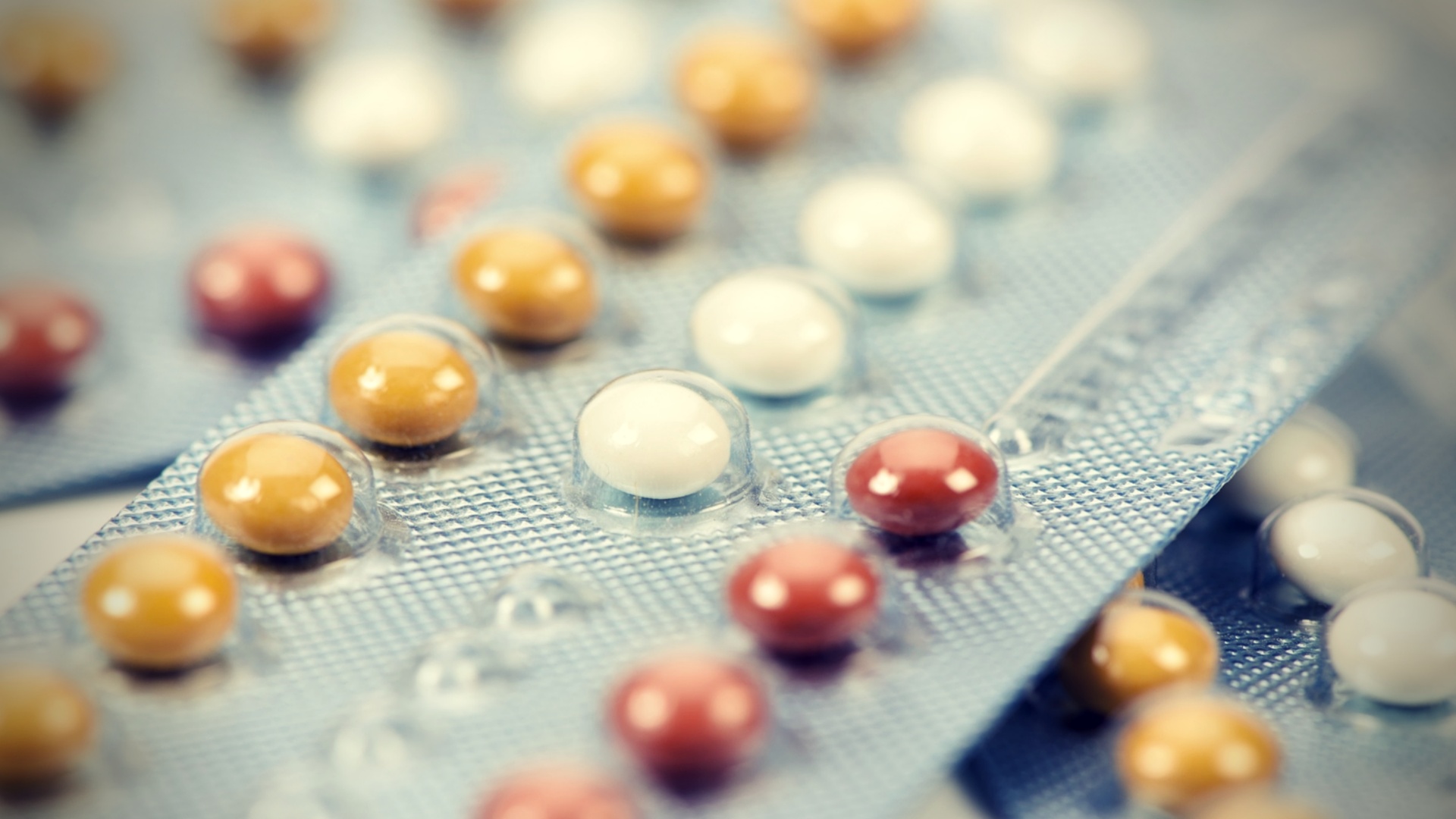
  • Birth control pills
  • Vitamins (e.g. vitamin C, E, and D capsules)
  • Estrogen replacement supplements
  • Selective serotonin reuptake inhibitors in antidepressants

1. Birth Control Pills

Although oral contraceptives are not actually supplements for bigger breasts, some people have used them as such. Increased bust size is actually a side effect of these pills.

However, do take note that when these pills are misused, they may increase your risk for breast cancer and other health conditions.

2. Antidepressants

Antidepressants contain selective serotonin reuptake inhibitors (SSRI), which may increase bust size.

However, using them for breast enlargement may cause serious side effects such as reduced libido, inability to maintain erections, difficulty attaining orgasm, nervousness, insomnia, dry mouth, drowsiness, headache, nausea, and vomiting.

3. Vitamins for Breast Enlargement

Certain vitamins such as vitamins C, D, and vitamin E are believed to be helpful in breast enlargement. However, there is no clear and conclusive evidence that they may work.

In fact, the overuse of these vitamin supplements may increase one’s risk for certain diseases.

4. Estrogen Replacement Supplements

Estrogen replacement supplements promote the use of plant based estrogens, i.e. phytoestrogens. They are seen as the safest sources of bust enlarging hormones.

However, do take note that not all sources of phytoestrogens are absolutely safe. Some may even have undesirable side effects.

Ingredients of Natural Supplements for Bigger Breasts

Ingredients of Supplements for Bigger Breasts

The following are some of the most common ingredients used in naturalsupplements for bigger breasts.

  • Blessed thistle
  • Fennel Seeds
  • Hops
  • Saw Palmetto
  • Wild Yam
  • Pueraria Mirifica (most promising herb on our list)

Here are the pros and cons of using these plants and herbs.

1. Blessed Thistle

Blessed thistle is a flowering plant that is approved in some governments in Europe and other parts of the world. It is primarily used for the treatment of indigestion and loss of appetite.

The extracts are sourced from the plant’s blooms, stems, and leaves. Some people make tea from the dried leaves and blossoms. You can even find dried blessed thistle tea on Amazon.

Benefits:

Downsides:

  • It is suggested that people shouldn’t use more than six grams of blessed thistle extract each day otherwise you risk vomiting and irritation.
  • It is not recommended for people who are suffering from Crohn’s disease or other stomach and digestive tract inflammation and infection.

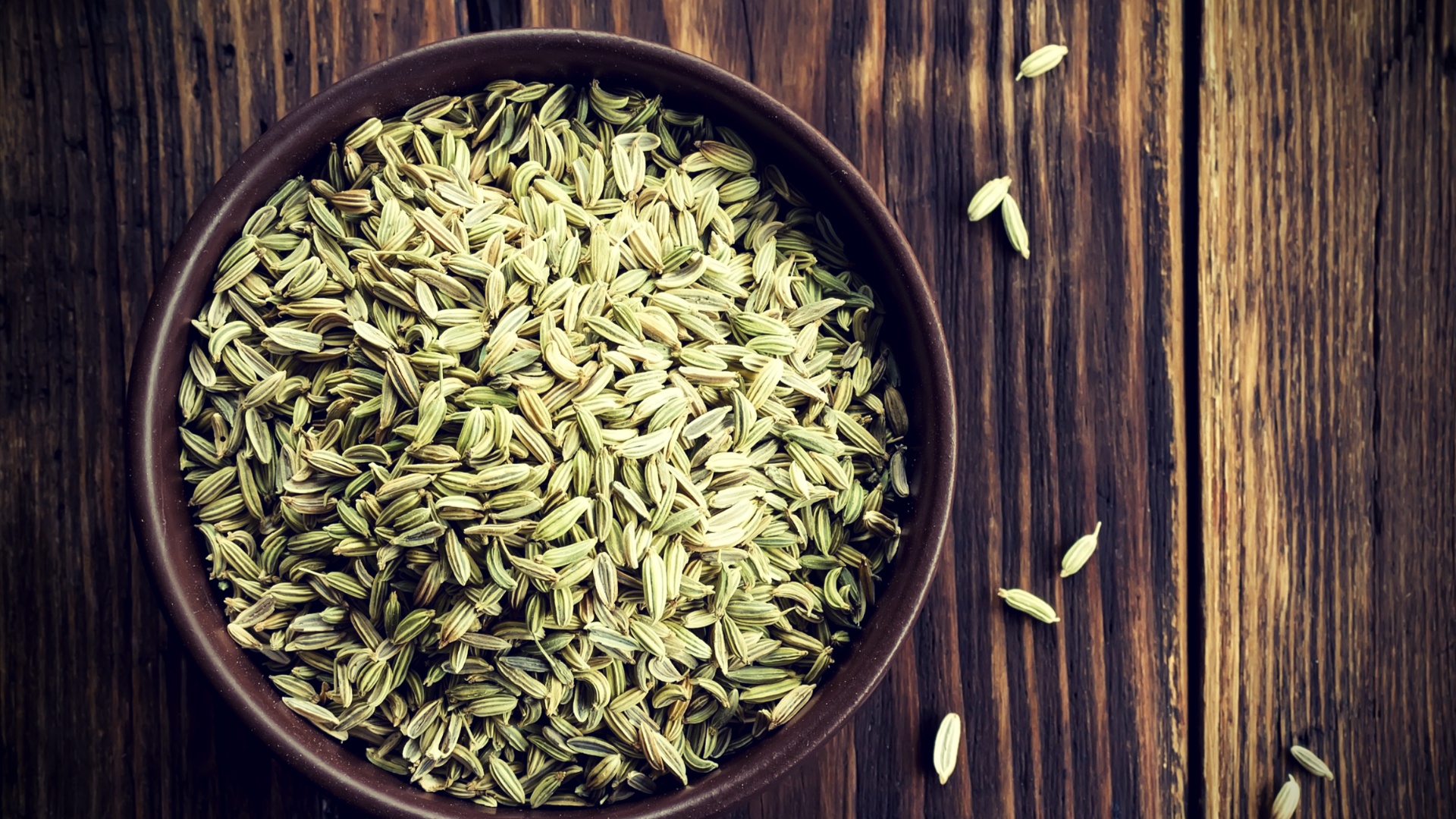
2. Fennel Seeds

Fennel seeds are common in many kitchens. A lot of health benefits have been associated with it apart from the potential for increasing a woman’s bust size.

3. Hops

Hops are a common ingredient in the brewing of beer. It has been used since time memorial. Apart from its potential aid in increasing bust size, reducing hot flashes, and beating insomnia, there are other associated health benefits from its extracts.

4. Saw Palmetto

Saw palmetto extract is used as a folk cure for an enlarged prostate and to prevent hair loss.

5. Wild Yam

Wild yam is a common ingredient in supplements for bigger breasts. Some of its suggested benefits include:

6. Pueraria Mirifica

This is perhaps the most effective herbal source of phytoestrogens. It has been used in Thailand and Burma as a folk cure for hundreds of years.

It is a good source of quality phytoestrogens—i.e. natural plant sourced estrogen. Researchers suggest that its extracts help to treat many health conditions such as:

Possible Side Effects:

Note that pueraria mirifica based products should be properly formulated or else they may increase your risk for certain cancers.

It is also not recommended for people who may have liver problems. It is also not recommended for pregnant women.

Make sure that the pueraria mirifica product that you purchase has been produced by a trusted manufacturer with many years of industry experience.

Pueraria Mirifica is perhaps the most effective herbal source of phytoestrogens.Researchers suggest that its extracts help to treat many health conditions.

Recommended Product Manufacturer

If you’re interested in finding the best natural supplements for bigger breasts, especially those with pueraria mirifica extracts, we recommend the products from Mirifica Science. Visit their official website today.

Posted on

Where to Buy Pueraria Mirifica Without Risking Your Health and Money

Though many will simply open Google, key in “where to buy Pueraria mirifica”, then click on a supplement store, you might be thinking of going old-school—buying from a nearby shop that surprisingly sells the herb itself.

After all, women in Thailand and its neighboring countries have been benefiting not from pills or creams but from actual roots or their crude powdered form. So why shouldn’t you do the same?

Well, unless you’re currently in those places or you’re planning to travel anytime soon, going the “organic” route and buying locally isn’t really a good idea. Let us tell you exactly why.

To have a better idea of whether a supplement being sold online is the real deal, go to its manufacturer’s website. Check if details on country of origin, dietary considerations, and overall purity are openly accessible.

Do you know what Pueraria mirifica looks like? No matter how confident you are, truth is even experts will have a hard time identifying a plant from root samples alone.

To make things more difficult, herbs are typically sold dried or crushed. Finding patterns or distinguishing qualities will be next to impossible no matter how knowledgeable these experts may be.

They could, of course, try to identify it through color or smell but they’re probably only guessing at that point. Unless they send it to a lab for identification, they won’t know for sure that it’s Pueraria mirifica.

As you can imagine, someone who hasn’t studied plants in general, and who’s only looking to reap the herb’s benefits, doesn’t stand a chance of knowing whether what’s being sold is indeed what it should be.

And if by chance you were actually given Pueraria mirifica, there’s still the issue of purity and quality. If you’re wondering what else could be in crushed or powdered root, well, there are molds, insect fragments, dirt, or even traces of heavy metals!

Of course, those impurities won’t do you any good. In the worst case scenario, theycould even make you sick. Toxic molds, for example, produce aflatoxins—potent carcinogens known to cause liver cancer.

Though not as harmful, fillers are another concern. They’re sometimes used to increase the yield of crude herbal preparations, affecting overall quality in the process. Essentially, fillers ”dilute” the effective herbal mass, allowing the seller to profit more—at the expense of the customer getting less of the actual botanical.

In other words, plants visually similar to Pueraria mirifica may be added. This in turn makes it impossible for you to experience the herb’s full potency, and the filler itself could cause unwanted effects.

The Search for the Real Deal

You’re finally familiar with the risks of buying from a local store that just happens to sell “organic” Pueraria mirifica root or powder. And now, you’re beginning to wonder whether buying online is the way to go.

Well, it really is. One key reason for that is the abundance of reviews and testimonials—two things that provide valuable insights on any product being sold through the web.

Of course, not every post you’ll find can be considered completely factual as some companies offer rewards for positive reviews as well as recommendations.

There are also those who invest in spreading negative reviews to harm their competitors, making it harder for the average netizen to know which opinions really offer good information.

Fortunately, there are ways to overcome that dilemma. For one, you could check as many reviews and testimonials as you can while dismissing those that have signs of being fake.

Reviews that are too short, written in a confusing way, or read like a product description are most probably fabricated for the sake of marketing. As for testimonials, you might as well skip them if they’re from new accounts.

To have a better idea of whether a supplement being sold online is the real deal, go to its manufacturer’s website. Check if details on country of origin, dietary considerations, and overall purity are openly accessible.

In this case, the herb itself should at least be sourced from Thailand, while processing may be done elsewhere. As for purity, there should be no fillers, sugar, or artificial color and flavor—having a certificate of analysis is a plus.

For an Even Better Purchase

At this point, you should be able to find a few good Pueraria mirifica products on your own. But allow us to help you out further, especially if you’re mainly after the aesthetic perks of taking the herb.

Instead of relying on pills, powders, or anything ingested, it would be better to go for certified skincare products. As you know though, these topicals don’t always contain a single ingredient.

Creams, for example, may contain things like wild yam and dandelion—in addition to oils and thickeners. While other herbs do offer their own unique benefits, remember that you’re after the best phytoestrogen source.

Everything else at this point can be considered as filler. And so, our recommendation here is to specifically go for a product that has only Pueraria mirifica.

With creams not being an option anymore due to the inclusion of ingredients for achieving that distinct consistency, your sole remaining option is to seek out quality serums.

Serums don’t have to rely on moisturizing, lubricating, and thickening agents, thus the focus is on the herb itself. This makes them better at permeating the skin, which in turn translates to increased potency.

The main downside with them however, is that they’re often more expensive than other popular topical products. But given that you’ll be getting faster, more noticeable results, cost isn’t much of a problem.

So, the only remaining step in your search for the herb is choosing among the available serums—which fortunately aren’t that many yet, making things a lot easier than you’d expect.

In a nutshell, we recommend you to try our own Pueraria Mirifica serums. We at Mirifica Science always make sure our products excel in purity, potency, and overall quality without being overpriced.

Our Specific Recommendation

In a nutshell, we recommend you to try our own Pueraria Mirifica serums. We at Mirifica Science always make sure our products excel in purity, potency, and overall quality without being overpriced.

We have all the necessary certifications, meaning every claim regarding any product from our shop is 100% backed by studies and third-party lab results.

All in all, finding out where to buy Pueraria mirifica so as to avoid risking your health and money doesn’t have to be a tiring process—that is, as long as you’re looking at the right place.

Posted on

White Kwao Krua: Health Benefits of Pueraria Mirifica

Kwao Krua Kao or White Kwao Krua is known across Thailand for helping women maintain and regain their youthfulness and vitality, giving hope to those fighting against menopause’s many undesirable effects.

If you’re in your 40s, especially if you’ve been noticing symptoms like dry skin and weight gain, you might benefit from this herb. But before we talk more about it, let’s begin with an important clarification.

Pueraria mirifica really stands out as it is the most extensively studied and the most promising herb. In fact, there’s scientific basis to support many of its perks, which we’re going to discuss below.

Doing a quick search for “Kwao Krua” will likely lead to confusion as you’ll end up finding two common kinds, namely Kwao Krua Kao (White) and Kwao Krua Dang (Red).

Despite seemingly only being different in color, these actually represent two distinct plant species. The white variety is Pueraria mirifica, while the red one is Butea superba.

As it turns out, “Kwao Krua” is just a term for herbs that help revitalize the body. However, this doesn’t mean the two varieties can be interchangeably used—simply put, white is for women and red is for men.

Interestingly enough, there’s a third variety of these rejuvenating herbs, namely, Black Kwao Krua or M. collettii. Not much is known about it, though it’s likely more similar to Butea superba in terms of its effects.

What really stands out is Pueraria mirifica since among the three, it’s the most extensively studied and the most promising. In fact, there’s scientific basis to support many of its perks, which we’re going to discuss next.

Benefits that Impress

Pueraria mirifica’s capacity to alleviate the impact of menopause stems from its impressive assortment of phytoestrogens—plant-derived compounds capable of mimicking estrogen itself.

And as you know, it’s the decline of estrogen that sets off all those unwanted effects that come with aging. It can even be said that menopause only occurs due to this hormonal shift.

With phytoestrogens, the body gets access to a substitute to the female sex hormone—meaning most, if not all, biological processes that depend on estrogen can continue despite the hormone’s severely limited supply.

1. Smoother Skin

The skin’s structure, or how firm, smooth, and supple it is, largely depends on how much collagen it has. But as we age, our skin’s collagen supply dwindles as an effect of estrogen’s drop.

By working as a substitute to the female sex hormone, phytoestrogens are able to stimulate collagen production. This in turn gives the skin improved elasticity and minimizes the depth of wrinkles.

2. Stronger Bones

Another effect of menopause, as well as the transition towards it, is the continuous decrease of bone mass—a problem that can eventually result in osteoporosis.

This occurs due to estrogen’s role in keeping the bone-producing cells running optimally. Fortunately, it’s been found that Pueraria mirifica, through its estrogenic effects, may improve bone quantity and quality.

3. Healthier Heart

When it comes to heart health, having flexible blood vessels is crucial—and estrogen does help in keeping them that way. But then, as the hormone starts to drop, so does the blood vessels’ flexibility.

Once again Pueraria mirifica shows promise in preventing disease, this time by copying estrogen’s capacity to stimulate nitric oxide release. And yes, nitric oxide is essentially what makes blood vessels pliable.

4. Cleared Arteries

Managing your cholesterol levels is another key aspect of heart health. And as it turns out, estrogen works with the liver to get rid of bad cholesterol or what experts refer to as low-density lipoprotein (LDL).

This is why those who’ve hit menopause tend to be more susceptible to issues like heart attack and stroke. So it’s definitely a good thing that Pueraria mirifica hastens lipid metabolism and gets rid of LDL.

5. Shapelier Bust

Fullness, firmness, shape, and size—these can all be improved through hormonal breast augmentation. However, taking synthetically made estrogen for this purpose might not be worth the risk.

Raising your chances of getting cancer just isn’t a good tradeoff for having better boobs. Unsurprisingly, phytoestrogens are being considered as a safer yet sufficiently potent alternative.

6. Better Sex Life

Vaginal dryness is among the worst things that come with estrogen decline, especially since the vaginal walls start to become thinner as well. As you can imagine, these symptoms can lead to pain during sex.

If you’re experiencing any of them, Pueraria mirifica might be able to serve as your gateway to relief. In studies, it’s been shown to reduce vaginal dryness as well as restore the vaginal walls’ overall health.

7. Hunger Control

Not having enough estrogen may also affect your physique, mainly by making you more susceptible to cravings. The hormone, after all, suppresses appetite by targeting the hypothalamus.

Being the estrogen mimics that they are, phytoestrogens are able to provide the same hunger-suppressing effect and, what’s more, they can help you shed pounds by burning your fat stores.

Dose and Side Effects

Despite the number of studies focusing on Pueraria mirifica’s benefits, there still isn’t any generally accepted intake guidelines. Interestingly though, supplements taken orally are typically sold at doses of up to 1,000 mg.

If you’d go through most scientific inquiries on the herb, it seems that taking 50 mg daily is enough to enjoy most of its perks. By the way, these pills are mainly for alleviating the internal impact of estrogen decline.

If you’re more concerned about your skin or breasts, you’ll likely benefit more from topicals. Creams and serums, with the latter being the more potent option, are better suited for these rather visible issues.

Regardless of which you eventually pick however, don’t hesitate to consult your doctor before trying Pueraria mirifica firsthand. Watch out for side effects like headache, cramps, and bloating.

In rare cases, the herb has been associated with more worrisome adverse reactions such as asthma and epilepsy. But of course, these have been identified from a fairly limited number of studies.

If you’re more concerned about your skin or breasts, you’ll likely benefit more from topicals. Creams and serums, with the latter being the more potent option, are better suited for these rather visible issues.

The Ancient Thai Secret

Hopefully you’ve learned a lot about the White Kwao Krua, aka Pueraria mirifica, from this post. Maybe soon, you’ll get to try what Thai women have been using for centuries to stay young and full of life.

Posted on

Menopause and Skin Health: What to Expect and How to React

Understanding menopause and skin is essential if women are to provide optimum care for the biggest organ in their body. Menopause is an experience that all women will have to face.

It starts a year after a woman’s last period and it brings with it some very telling symptoms. Such symptoms include weight gain, slowed metabolism, sleep problems, chills, night sweats, hot flashes, vaginal dryness, and skin problems.

This guide focuses on menopause and skin.

With the right amount of care, the changes to a woman’s skin during menopause can be reduced if not completely avoided.

Menopause usually begins for women anywhere from age 40 to 58. This is around this time when estrogen production declines, women stop having their monthly periods, and her ovaries stop producing eggs.

The key here for a woman is the reduced production of the female hormone estrogen. This hormone keeps her bones strong, is responsible for all the changes during puberty, and triggers the production of oils and collagen in the skin.

Apart from that, because of these changes the skin also begins to lose its ability to retain moisture. When estrogen production goes down skin begins to age rapidly and a host of issues occur in menopausal women.

How Menopause Affects a Woman’s Skin

The onset of menopause and skin symptoms that come with it should be handled carefully. This is because your skin is not the same as it was when you were younger.

The following are some of the effects on the skin when women enter menopause and have reduced estrogen levels.

  • Collagen loss
  • Loosening and wrinkling of the skin
  • The skin begins to get thin
  • Dryness on the skin
  • Delayed healing of wounds
  • Itching
  • Acne
  • Increased facial and body hair

We will go over the different applicable treatment options for each of these symptoms in the next section.

Skin Treatment Options

When you turn 40, it will be a good idea to get dermatological treatments on a regular basis. Doing so will help to manage the sagging, loss of firmness, and other conditions that you will start to notice on your skin.

Early intervention will be very helpful especially when your skin is still quite receptive to treatments. The following are some of the treatments that you can discuss with your dermatologist.

  • Sunscreen

This is probably the most basic treatment that you can get. It’s your next best option if there is no way for you to avoid getting sun exposure.

  • Hyaluronic Acid

Hyaluronic acid has moisture retaining properties which can help reduce the appearance of wrinkles. It can also help restore and retain the skin’s natural plumpness.

  • Alpha hydroxy acids (AHAs)

Studies suggest that AHA can improve wrinkles and fine lines. It can also help with uneven skin texture and skin tone.

  • Vitamin C and Vitamin E

Studies suggest that these vitamins can help restore the glow in skin. You can use skin solutions that contain these vitamins to add youthful looks and still remain gentle to sensitive skin.

  • Retinoids

Note that retinoid gels and creams are only available with a prescription. They stimulate the production of collagen in the skin. It improves the skin’s thickness thus reducing wrinkles.

You might want to talk to your doctor about the treatments mentioned above. Find out which one is appropriate for your skin condition.

Taking Care of Your Skin during Menopause

Now that we know what treatments are available, the next question is which treatment you should use for each skin condition.With the right amount of care, the changes to a woman’s skin during menopause can be reduced if not completely avoided.

The tips and information below might be helpful to you. We will describe each skin problem and suggest possible solutions that might help.

1. Sun Damage/Age Spots

Age spots and sun damage are two of the most common skin problems that post-menopausal women experience. They will appear as dark areas of the skin and other age marks on the chest, arms, neck, hands, and the face.

In more severe cases, pre-cancerous skin growths may also appear on the skin.

Treatment for Sun Damage/Age Spots

There are several treatment options available to post-menopausal women who experience age spots and sun damage. They include the following:

  • Use Sunscreen

Remember to apply sunscreen on your skin before you go out under the sun. Experts suggest that everyone should use a broad spectrum sunscreen. Make sure to get one that has at least SPF30.

Note that sunscreen can help reduce age spots and prevent new ones from appearing.

  • Get Screening for Skin Cancer

Note that your risk for skin cancer increases as you age, which is why getting screened is important for menopausal women. The earlier you can detect precancerous growths the better they can be treated.

2. Adult Acne

Estrogen is responsible for stimulating the skin’s sebaceous glands to produce more secretions, which protects the skin from acne. With the reduced estrogen levels, menopausal women experience acne.

Treatment for Adult Acne

Note that adult women who re-experience acne symptoms have thinner and more sensitive skin compared to adolescents. This is why they need better skin treatment when they have acne.

Harsher treatments that worked for teenagers will not be suitable for older and more mature women.

Here are a few treatment options that your doctor may recommend:

  • Depending on the severity of your acne, your doctor may recommend hormone replacement therapy—such as using Pueraria Mirifica serum or some other product.
  • Another treatment option is retinoid. Retinoid has been found to be potent for certain moderate and severe cases of acne. It may stop the oil production, inflammation, and bacterial growth. It also helps to unclog pores that will allow other cream and gel treatments to work. You can apply a small pea sized amount of retinoid cream on your neck and face 20 to 30 minutes after you wash your face.
  • Your doctor will also recommend that you avoid using acne solutions that will dry your skin.
  • Another treatment option your doctor may recommend using skin cleaners that contain salicylic acid.

3. Bruising

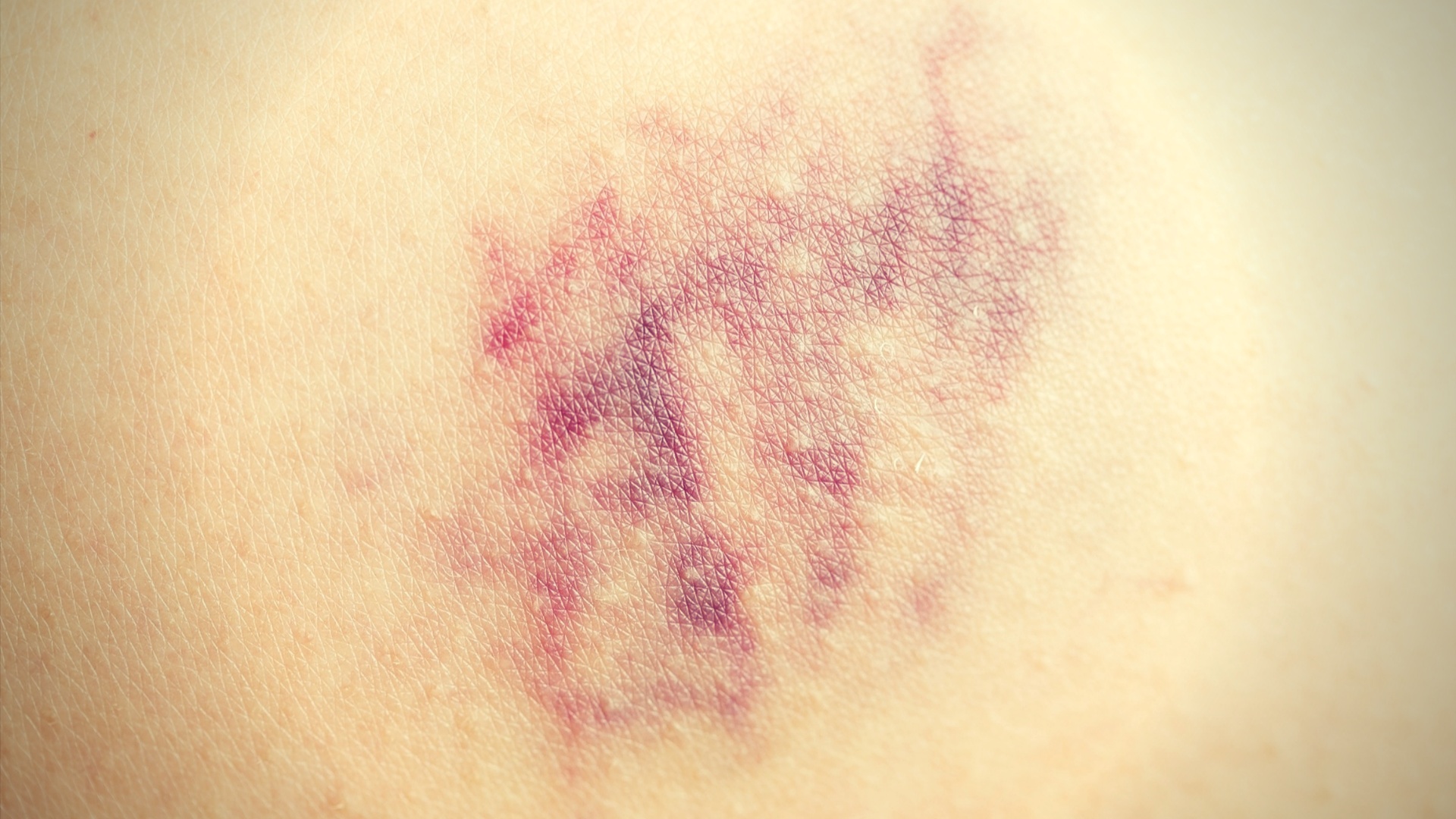
When the skin gets thinner it is more prone to bruising. Here are some solutions that may help with this skin condition.

  • Phytoestrogen Creams/Serums

Pueraria mirifica serums and creams can supplement the skin with phytoestrogen, which can help reduce these symptoms and increase skin thickness, reduce wrinkle depth, and reduce pore size.

  • Retinol with Vitamin K

Studies suggest that using retinol with vitamin K can help reduce bruising on the skin.

  • Broad Spectrum Sunscreen

Note that sunscreen can’t thicken the skin nor heal the bruising. Using broad spectrum sunscreen is more of a preventive measure since it may stop the skin from thinning even further.

  • Laser Treatment

Your doctor may recommend laser treatment for more severe bruising. Studies suggest that laser treatment can help reduce bruising on thinner skin.

4. Wrinkles

Another issue about menopause and skin is the wrinkling of the skin. This is due to the fact that the skin is thinner, loses moisture, and is no longer plump and as elastic as it used to be.

A particular type of wrinkling in the face is called elastosis. This is a condition that is marked by the loss of elastic fibers in the skin and thickening and wrinkling of the dermis.

Note that elastin and collagen synthesis is controlled in part by the female hormone estrogen. When estrogen production goes down, the repair mechanism of the skin is gone and it causes wrinkles and elastosis.

The usual repairs that are performed naturally on the skin are reduced when this happens. That is why when the skin is exposed to the sun’s UV rays, the damage (i.e. wrinkling effect) is left unrepaired (i.e. solar elastosis).

Treatment for Wrinkles

  • Pueraria Mirifica Serums/Creams

5. Dryness on the Skin

Dry skin is a very common complaint of menopausal women. It affects around 36% of women above the age of 40.

This drying of the skin is again due to the reduced production of estrogen. This hormone is regulates the production of glycosaminoglycans (GAGs) and skin oil, which are responsible for keeping the skin plump.

Treatments for Dry Skin

  • Phytoestrogens

One of the best natural sources of phytoestrogens is pueraria mirifica extract, which is packaged inserum and cream forms. Clinical studies suggest that it has a hydrating effect on the skin.

  • Moisturizer

Your doctor can also recommend using moisturizers, which will definitely help. Note that you may have to apply liberal amounts of moisturizers but you will have to combine it with a mild skin cleanser.

6. Delayed Healing of Wounds

As the skin ages, its ability to heal quickly is reduced. Estrogen deficiency also contributes to this skin condition.

Treatments for Wound Healing

  • Phytoestrogen Supplements

Supplementing with phytoestrogens or applying phytoestrogen creams can help restore hormonal balance in the skin. You should talk to your doctor about using phytoestrogen as a potential solution.

7. Itching

Skin itching in menopausal women (a condition known as pruritus), is due to the drying up of the skin. The possible skin treatment for pruritus is the same for skin drying.

One option is to use phytoestrogen creams, gels, or serums. You should also make sure to use moisturizers.

8. Increased Facial and Body Hair

Facial hair increases in menopausal women due to the reduced production of estrogen. Note that when this happens, the androgen that also naturally occurs in the body becomes more pronounced.

This imbalance in the hormones allows the androgen to produce more hair since there is no longer enough estrogen to keep its effects in check.

Possible Treatments for Increased Feminine Facial Hair

  • Waxing

Waxing those hairs away is a viable option, though it is not the most pleasant solution.

  • Laser Hair Removal

Some menopausal women’s facial skin may already be too thin for waxing. It may result in tears and bruising.

This is why dermatologists may also recommend laser hair removal. Note however that this is a bit of a pricey treatment option.

  • Hair Reduction Creams

A more affordable solution is hair reduction creams. Ask your doctor about creams and solutions that you can use.

  • Phytoestrogen Serums

Using phytoestrogen serums is a long-term solution. It may not be able to remove the hairs that are currently growing but it may prevent more hair from growing.

Menopause and skin health is manageable. The treatment options mentioned here are merely suggestions and you should check with your doctor to know which one is best suited for you.

Conclusion

The long-term approach to these skin problems is providing a rebalance of hormones in the skin. Phytoestrogen serums (e.g. pueraria mirifica based serums from Mirifica Science) may be helpful to you.

Menopause and skin health is manageable. The treatment options mentioned here are merely suggestions and you should check with your doctor to know which one is best suited for you.